
At a Glance
- The global bolter miner market is projected to reach USD 2.18 billion by 2033.
- Growth is driven by increased demand for safety and efficiency in underground mining.
- Automation, AI, and remote-control systems are transforming equipment capabilities.
The global market for bolter miners is set for significant expansion, projected to reach USD 2.18 billion by 2033, up from USD 1.24 billion in 2025. This steady growth, at a compound annual growth rate (CAGR) of 7.3% between 2026 and 2033, is primarily fueled by the mining industry's increasing focus on improving safety, productivity, and operational efficiency in underground operations worldwide. As regulatory scrutiny tightens across various jurisdictions and operators prioritize worker well-being, integrated cutting and roof support equipment is becoming an indispensable component of modern mining strategies.
Operational Evolution and Demand Drivers
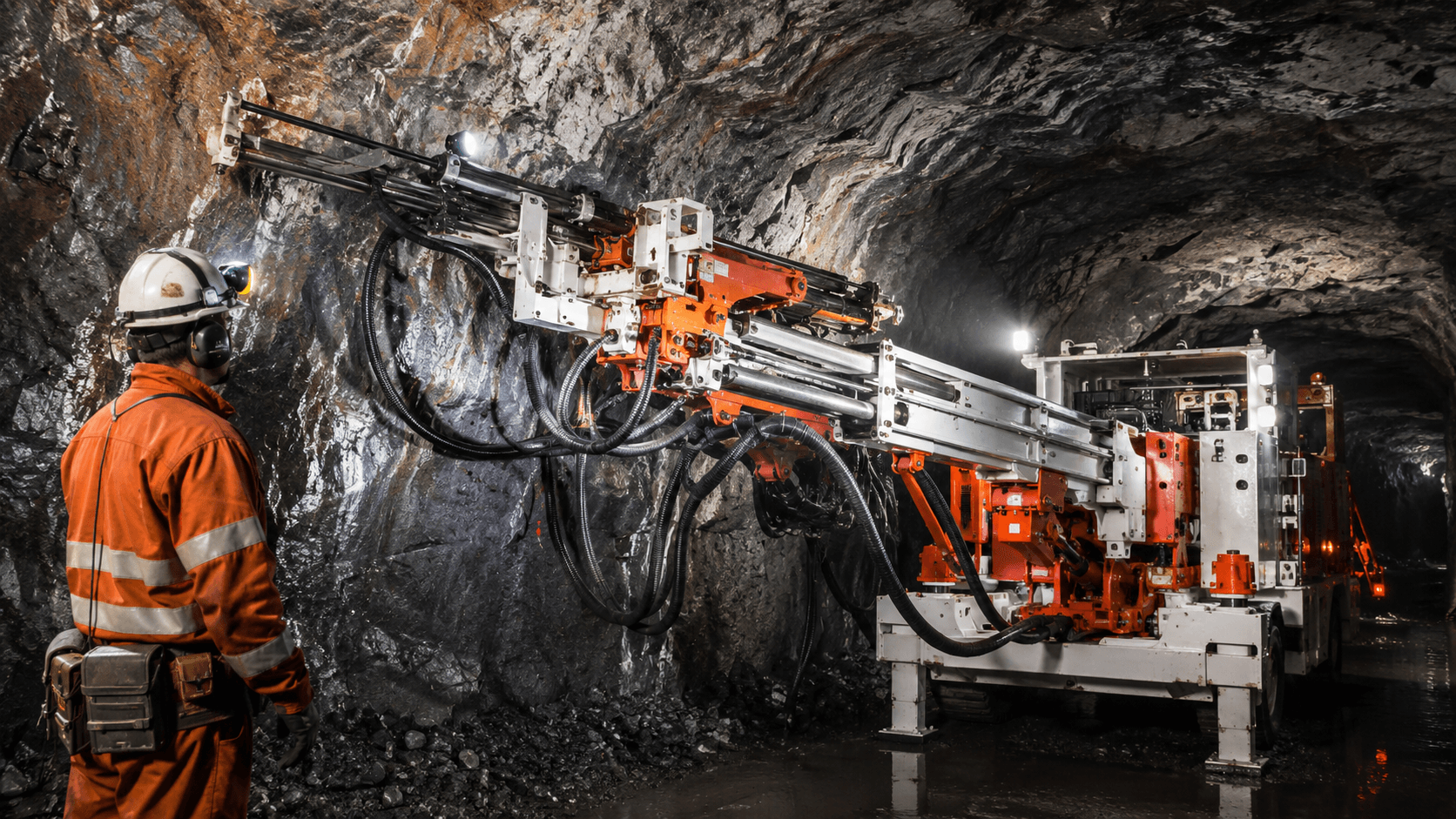
Underground mining operations, particularly in sectors extracting coal, potash, and various hard rock minerals, are increasingly adopting bolter miners to address critical challenges. These integrated machines combine the capability for mineral cutting with simultaneous roof bolt installation, a significant advancement that reduces cycle times and minimizes worker exposure to potentially hazardous unsupported roof conditions. The evolution from separate, sequential cutting and bolting operations to these unified systems reflects decades of intensified industry demands for both output efficiency and worker safety, especially following stricter roof control regulations in major mining jurisdictions.
Demand for bolter miners is climbing across these diverse sectors, driven by the inherent advantages they offer for continuous mining and maintaining structural support. This equipment category is seeing heightened adoption in established underground coal mining regions, where productivity and safety are paramount. Simultaneously, expanding potash extraction projects globally are also contributing significantly to market growth, as operators in these resource-rich areas seek to enhance operational safety and output.
Key players in this evolving sector include major heavy equipment manufacturers such as Sandvik AB, Joy Global (Komatsu Mining), Caterpillar Inc., and J.H. Fletcher & Co. These companies, along with hydraulic, electrical component suppliers, and specialized bolting system providers, form a complex ecosystem. The global nature of equipment manufacturing and trade often involves international standards, similar to how CE Mark validates Chinese sheet metal equipment for broader markets. Pricing for bolter miners reflects their capital-intensive, highly engineered nature. Regulatory environments, particularly stringent mine safety standards governing roof support timing, are directly reinforcing the continued adoption of advanced bolter miner technology across the globe.
Technological Advancements and Future Trajectory
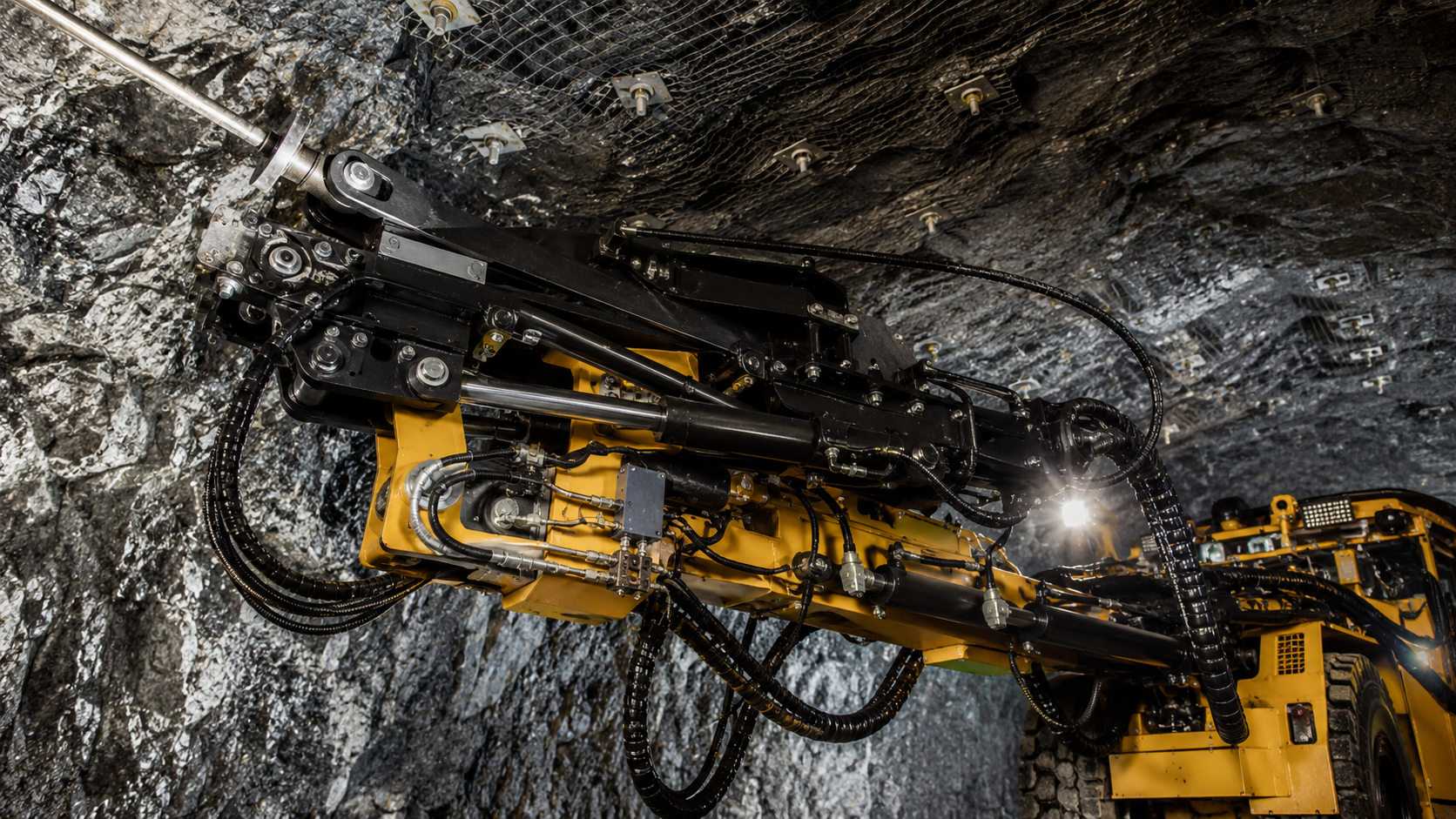
The bolter miner industry is undergoing a notable technological transformation, with automation and digitalization at its forefront. Manufacturers are actively integrating advanced sensor technology and automated bolting sequences into traditional cutting-and-bolting platforms. This includes the application of artificial intelligence (AI) for predictive roof stability analytics, which allows for optimized bolting patterns and timing, moving beyond reactive safety measures to proactive risk management. Real-time geological monitoring is also enhancing operational awareness and decision-making.
Further advancements include the development of fully remote-controlled and semi-autonomous bolting operations, specifically designed to further reduce human exposure to hazardous underground environments. This move towards greater automation not only enhances worker safety but also helps address labor availability constraints within the mining sector. Digitalization of equipment monitoring is improving maintenance scheduling and overall operational efficiency, contributing to better equipment uptime and fleet management.
An analyst insight from DataHorizzon Research suggests that the market will maintain steady, regulation-supported growth, even as some segments like coal mining face broader energy transition challenges. This indicates that investors might favor manufacturers with strong exposure to potash and diversified underground mining operations, alongside traditional coal equipment offerings. The continuous drive for enhanced safety, regulatory compliance, and operational efficiency underpins the long-term demand for these specialized machines.
The global bolter miner market's projected growth underscores the mining industry's commitment to modernizing underground operations through technology and integrated solutions. As global energy and mineral demands persist, these machines will remain critical for ensuring both worker safety and extraction efficiency. The convergence of regulatory pressures, technological innovation, and operational needs positions bolter miners as a vital component in the future of underground resource extraction.