
At a Glance
- The winter front grille covers market is projected to reach $1.31 billion by 2030.
- Growth is driven by climate variability, fuel efficiency demands, and expanding automotive aftermarket.
- Regulatory pressures for lower emissions also contribute to the adoption of these accessories.
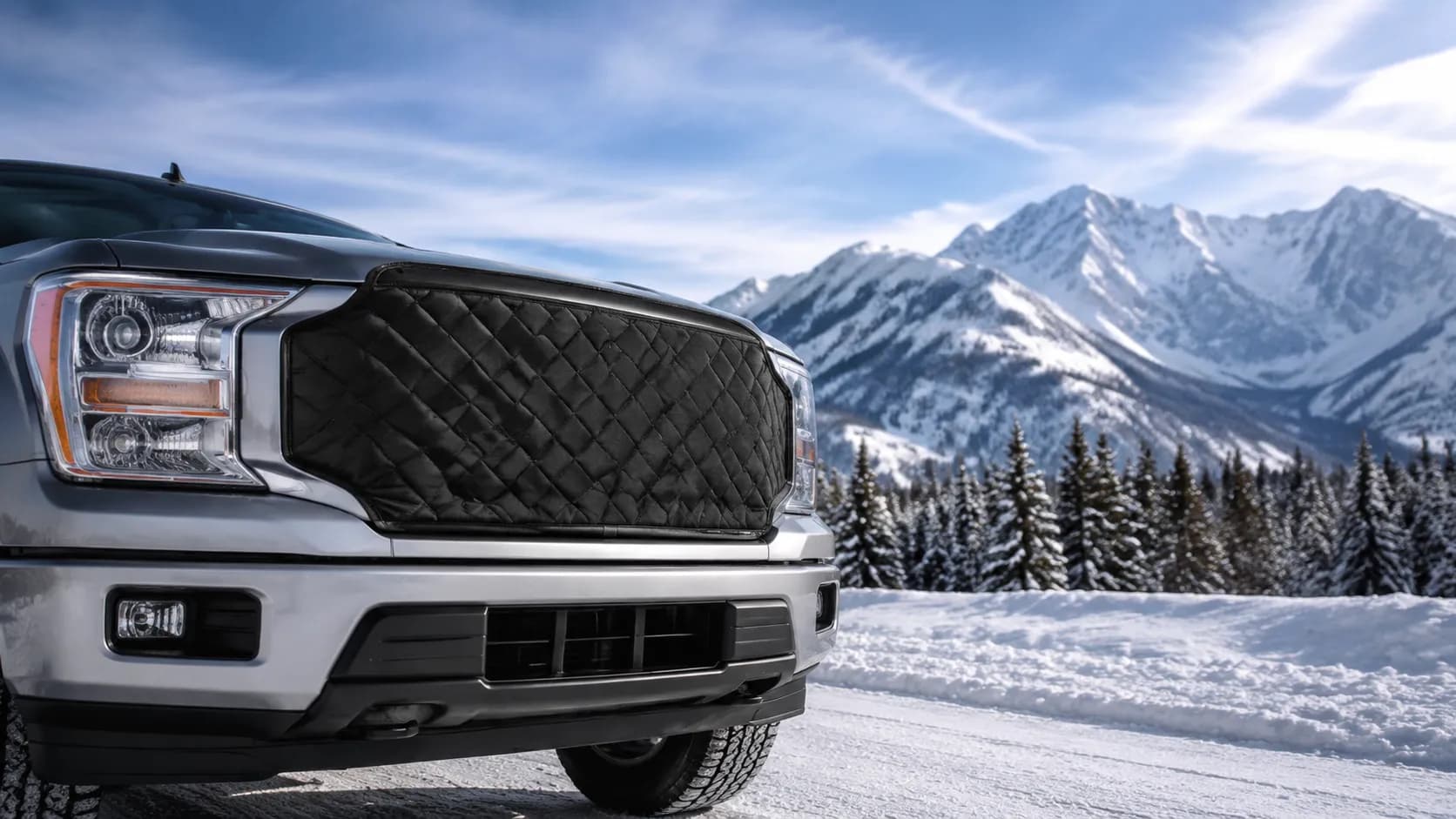
The global market for winter front grille covers is experiencing significant expansion, with projections indicating a rise from $0.96 billion in 2025 to $1.31 billion by 2030. This growth, detailed in a market intelligence report by The Business Research Company, reflects evolving automotive needs and environmental factors. The accessories, designed to regulate engine airflow in cold conditions, are becoming increasingly vital for vehicle performance and longevity.
Market Dynamics and Future Projections
Historically, the market has expanded due to rising demand for vehicle protection in cold climates and increased commercial trucking operations in northern regions. The need for better engine warm-up efficiency in diesel vehicles, coupled with the expansion of logistics under extreme weather conditions, has also propelled this sector forward. These factors contributed to a compound annual growth rate (CAGR) of 6.2% between 2025 and 2026.
Looking ahead, the market is forecast to maintain strong momentum, growing at a CAGR of 6.5% through 2030. This anticipated surge is attributed to a broader adoption of fuel-efficient vehicle enhancements and growing climate variability, which brings harsher winters. The increasing thermal management requirements of electric and hybrid vehicles also play a role, alongside the integration of smart automotive accessories.
Future trends are expected to include advanced cold climate vehicle efficiency solutions and a surge in thermal engine protection accessories for commercial fleets. The market will also see continued growth in aftermarket winterization products and greater acceptance of fuel efficiency accessories in cold regions. Furthermore, the development of modular, detachable airflow control systems for vehicles is an anticipated trend.

Regulatory Pressures and Automotive Trends
The expanding use of automotive aftermarket accessories is a significant factor fueling the winter front grille covers market. Consumers are increasingly holding onto their vehicles longer and customizing them, seeing them as lifestyle extensions. This trend drives demand for practical seasonal upgrades that boost engine efficiency and cold-weather performance, aligning with broader protection and customization trends.
Increasing global vehicle production further supports this market's expansion. With rising demand for convenient transportation and greater mobility worldwide, the manufacturing of automobiles and light commercial vehicles continues to grow. For instance, global vehicle production reached approximately 93.5 million units in 2023, up from 84.8 million in 2022, as reported by the Serbian Association of Vehicle and Parts Importers in April 2024. This growth in vehicle volume naturally creates a larger addressable market for accessories.
Tighter fuel economy and emission regulations are also playing a crucial role in boosting demand for winter front grille covers. These regulations, driven by commitments to achieve net-zero greenhouse gas emissions, push automakers to reduce fuel consumption and tailpipe emissions. Winter front grille covers assist in meeting these goals by maintaining optimal engine operating temperatures, thereby improving fuel efficiency and emissions control in conventional vehicles, as indicated by the International Energy Agency in June 2025.
The trajectory of the winter front grille covers market underscores a broader industry pivot towards efficiency, durability, and climate resilience in vehicle design and aftermarket solutions. As global weather patterns become more unpredictable and regulatory frameworks tighten, these seemingly niche accessories are becoming integral components in the automotive sector's efforts to enhance performance and meet environmental targets.