
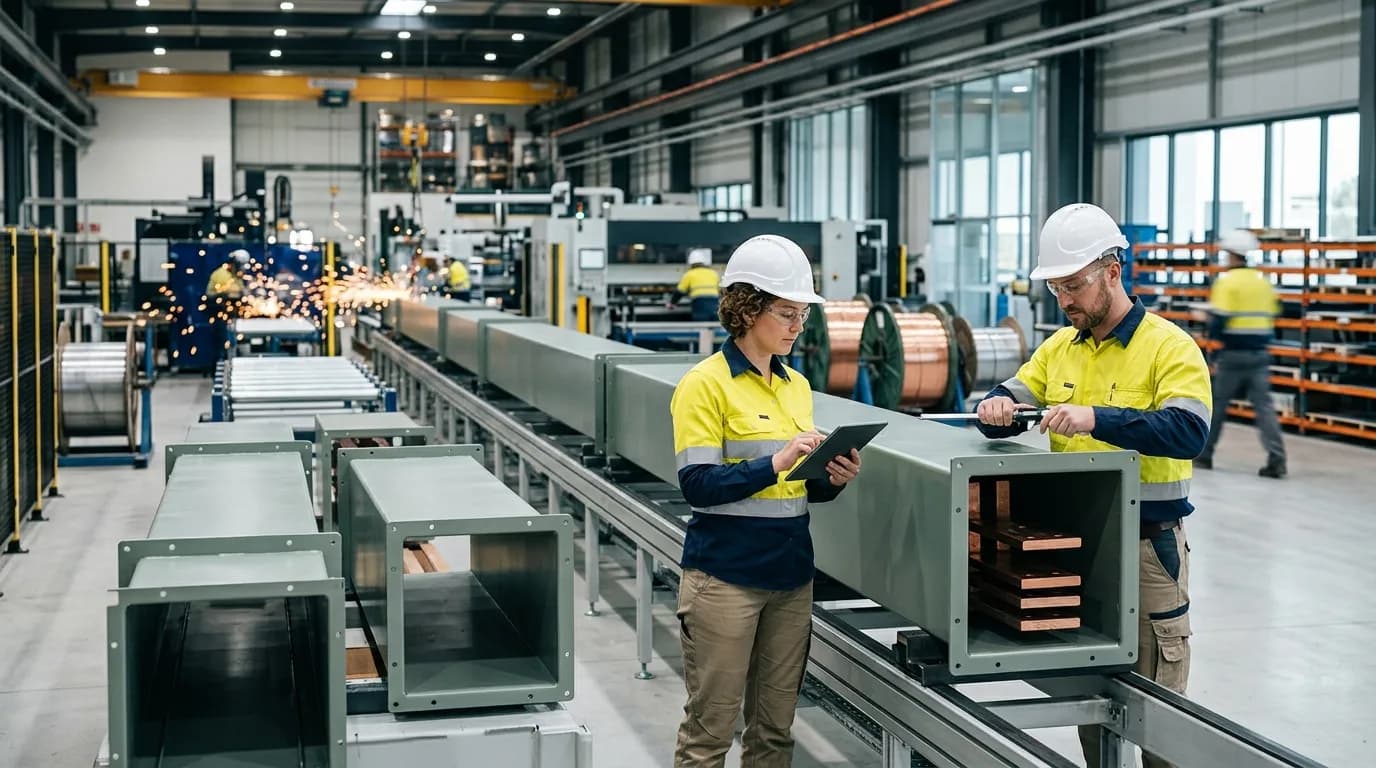
At a Glance
- Global metal enclosed busbar market projected to hit $5.7 billion by 2032.
- Growth driven by rising electricity demand, renewable energy, and smart grid development.
- Asia Pacific is set to lead regional market expansion.
The global metal enclosed busbar market is poised for significant expansion, with projections indicating it will reach USD 5.7 billion by 2032. This growth represents a Compound Annual Growth Rate (CAGR) of 5.8% from 2024, according to a recent market analysis. The upward trajectory is primarily fueled by increasing electricity demand, the integration of renewable energy sources, rapid industrialization, and the ongoing development of smart grid infrastructure across the globe.
Key Growth Catalysts
Escalating global electricity consumption across residential, commercial, and industrial sectors is a primary driver for the metal enclosed busbar market. This heightened demand necessitates reliable and efficient power distribution solutions. Busbar systems offer superior reliability and safety compared to traditional cabling, making them essential components in modern electrical grids.
The worldwide transition towards renewable energy sources, such as solar and wind power, also contributes significantly to market expansion. These systems require sophisticated infrastructure for power evacuation and seamless integration into national grids. Metal enclosed busbars play a vital role in ensuring stable and efficient power transmission from these green energy facilities.
Furthermore, rapid industrialization and urbanization, particularly prevalent in developing economies, are leading to extensive infrastructure projects. New power plants, manufacturing facilities, and commercial complexes inherently drive the need for advanced electrical distribution systems. The continuous evolution of smart grids, which leverage digital technologies for enhanced efficiency and sustainability, further accelerates the demand for these crucial power distribution components.
"The increasing global demand for electricity, coupled with the rapid integration of renewable energy sources, is fundamentally reshaping the power infrastructure landscape, making metal enclosed busbars essential for efficient and safe power distribution."
— Lead Market Analyst, Report Ocean
Segment Dynamics and Regional Dominance
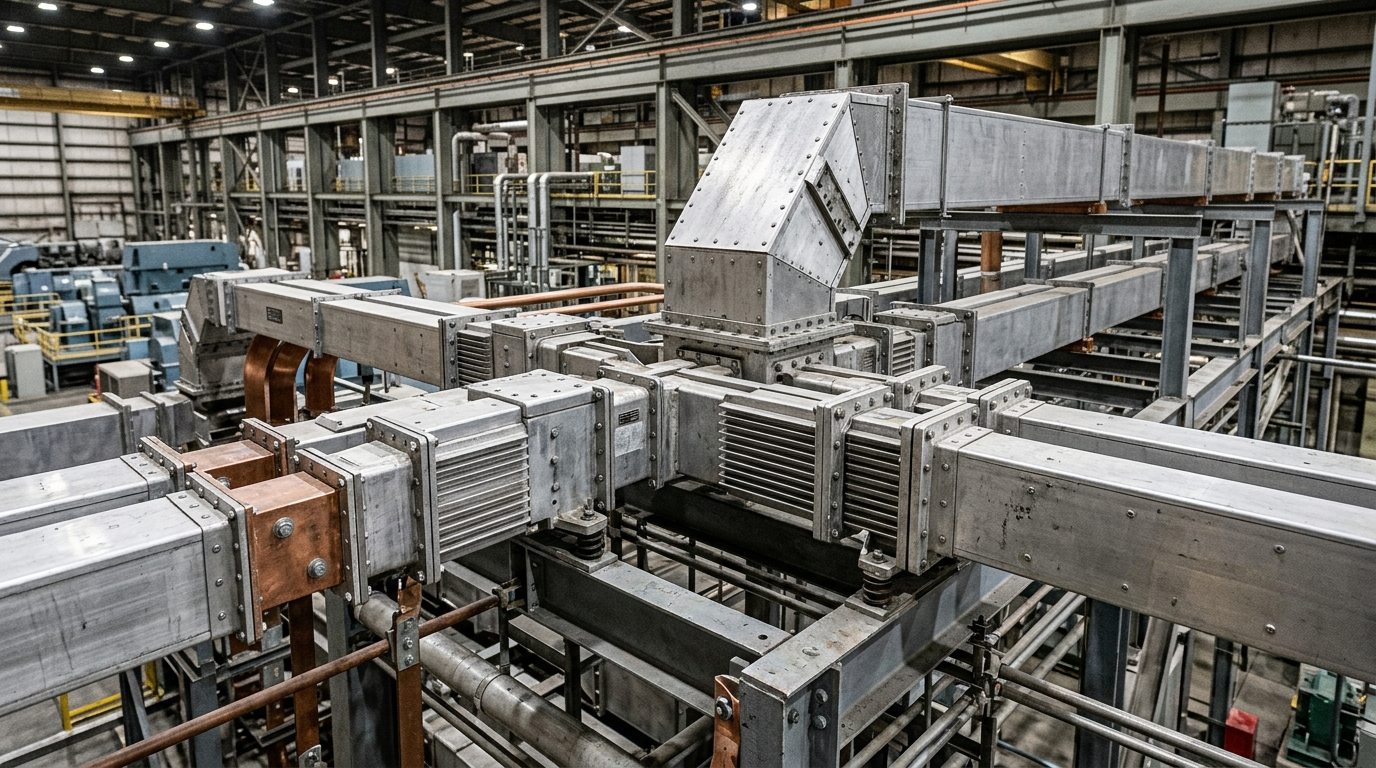
Within the market, the Non-Segregated Phase Busbar (NSPB) segment currently holds the largest market share. This dominance is attributed to its cost-effectiveness, ease of installation, and adaptability across various applications. The high voltage segment is also anticipated to experience the fastest growth, driven by the expansion of large-scale power generation projects and long-distance transmission networks.
The power generation industry remains the largest end-use segment, underscoring the critical function of busbars in power plants for efficient electricity evacuation and distribution. Air-insulated busbars are widely utilized, while gas-insulated variants are gaining traction due to their compact design and suitability for high-voltage environments. These technological preferences reflect evolving industry requirements for space efficiency and performance.
Geographically, the Asia Pacific region currently leads the metal enclosed busbar market and is projected to maintain the highest CAGR through the forecast period. This growth is largely due to rapid industrialization, urbanization, substantial investments in renewable energy, and extensive infrastructure development initiatives in major economies like China, India, and Japan. North America and Europe also represent significant market shares, supported by ongoing grid modernization efforts and the replacement of aging infrastructure.
The market for metal enclosed busbars is set for sustained growth, driven by fundamental shifts in global energy consumption and infrastructure development. As countries continue to invest in modernizing their power grids and integrating cleaner energy sources, the demand for reliable and efficient power distribution solutions, such as those provided by Report Ocean's analyzed market, will remain strong, solidifying the role of busbars in future electrical systems.