
At a Glance
- Urbanization in emerging economies drives high demand for residential roofing.
- Asia Pacific maintains a leading position in global market share and production.
- Material advancements focus on weather resistance and thermal insulation properties.
Research Nester Pvt Ltd has published a detailed report regarding the competitive positioning of major entities within the global roofing tiles market. The study identifies a surge in construction activities across both developed and developing nations as a primary catalyst for industry expansion. Market analysts point toward the rising need for durable housing solutions as urban populations continue to grow at an unprecedented rate.
Market Drivers and Regional Dominance
The global construction sector is currently experiencing a period of rapid change as modernization efforts take hold in various territories. This shift necessitates a substantial increase in the production of housing units, which directly influences the sales volume of diverse roofing materials. Clay and concrete options are witnessing high adoption rates because they provide long-term durability and specific aesthetic qualities that homeowners desire.
Regional data suggests that the Asia Pacific area remains the most influential market in terms of both consumption and manufacturing output. Industrial growth in nations such as China and India has resulted in a massive uptick in commercial and residential building projects. Furthermore, government-led infrastructure initiatives are providing a stable foundation for the continued use of premium roofing products in public works.
Environmental standards are also dictating the direction of product development for many manufacturers. Companies are prioritizing the creation of tiles that offer superior thermal performance to help reduce building energy requirements. This focus on efficiency allows developers to adhere to strict building codes while offering increased value to the end user over the life of the structure.
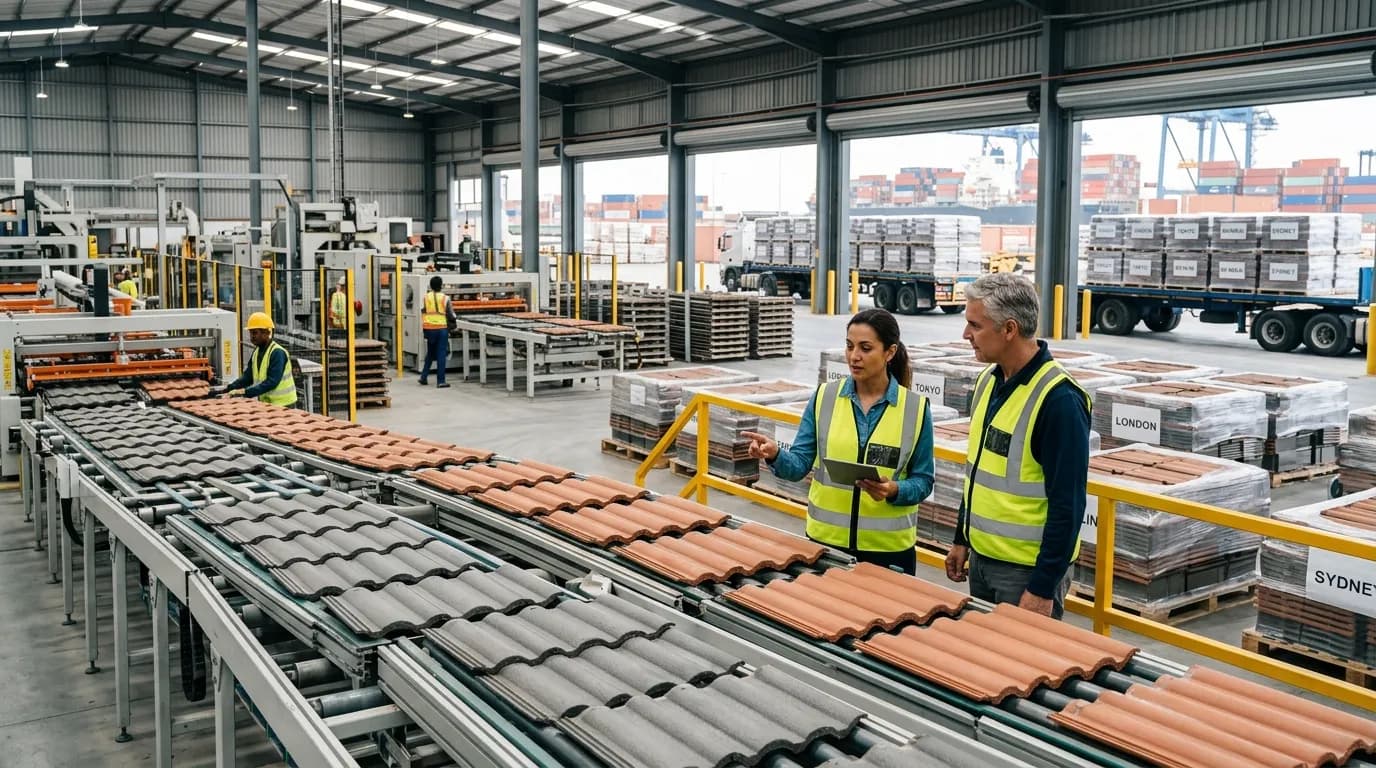
According to the latest findings from Research Nester Pvt Ltd, the adoption of advanced manufacturing technologies is helping firms stay ahead of their competitors. By refining production processes, these organizations can effectively minimize material waste and decrease the total cost of production. Such operational efficiencies are vital for maintaining profitability in a market where price competition is often intense.
Competitive Analysis and Material Trends
The competitive environment includes several established global organizations such as Wienerberger AG, Boral Limited, and the Etex Group. These entities are actively expanding their market reach through tactical acquisitions and the formation of strategic partnerships. Smaller regional manufacturers are also carving out niches by offering products tailored to local architectural traditions and specific climatic challenges.
Developments in material science are facilitating the production of roofing tiles that are both lighter and more resilient than previous iterations. While traditional clay remains a staple for many high-end projects, composite and synthetic materials are capturing a larger share of the mid-market segment. These new alternatives are engineered to withstand extreme weather conditions, including heavy snow loads and high-velocity winds.
Financial considerations remain a top priority for contractors when they are selecting roofing systems for large-scale commercial developments. Concrete tiles represent a balanced choice that offers fire resistance and structural strength without requiring the high investment associated with premium stone or metal. As the cost of raw materials remains volatile, many firms are seeking local supply chains to mitigate the risks associated with international shipping.
The evolution of distribution networks is also impacting how these products reach the final job site. Digital procurement tools now allow builders to compare technical specifications and logistics costs with greater accuracy than in previous decades. These improvements in the supply chain ensure that materials are delivered in a timely manner, which helps project managers avoid costly delays in their construction schedules.
The long-term outlook for the roofing tiles industry is characterized by steady demand and ongoing product diversification. As global populations shift toward urban centers, the requirement for high-quality building materials will likely remain a constant factor in the global economy. Industry participants who focus on durability and cost-efficiency are expected to see the most significant gains in the coming years.