
At a Glance
- Global moisture barrier bag market projected to reach $2.55 billion by 2036.
- Growth driven primarily by electronics and pharmaceutical industries.
- Sustainability and material science advancements reshape market offerings.
The global market for moisture barrier bags is poised for significant expansion, with projections indicating a valuation of USD 2,554.1 Million by 2036. This growth represents a compound annual growth rate (CAGR) of 5.1% from 2026 to 2036, up from USD 1,480.6 Million in 2025. The increasing demand for product protection across critical industries, alongside evolving supply chain complexities, underpins this market trajectory.
Key Sectors Fueling Demand
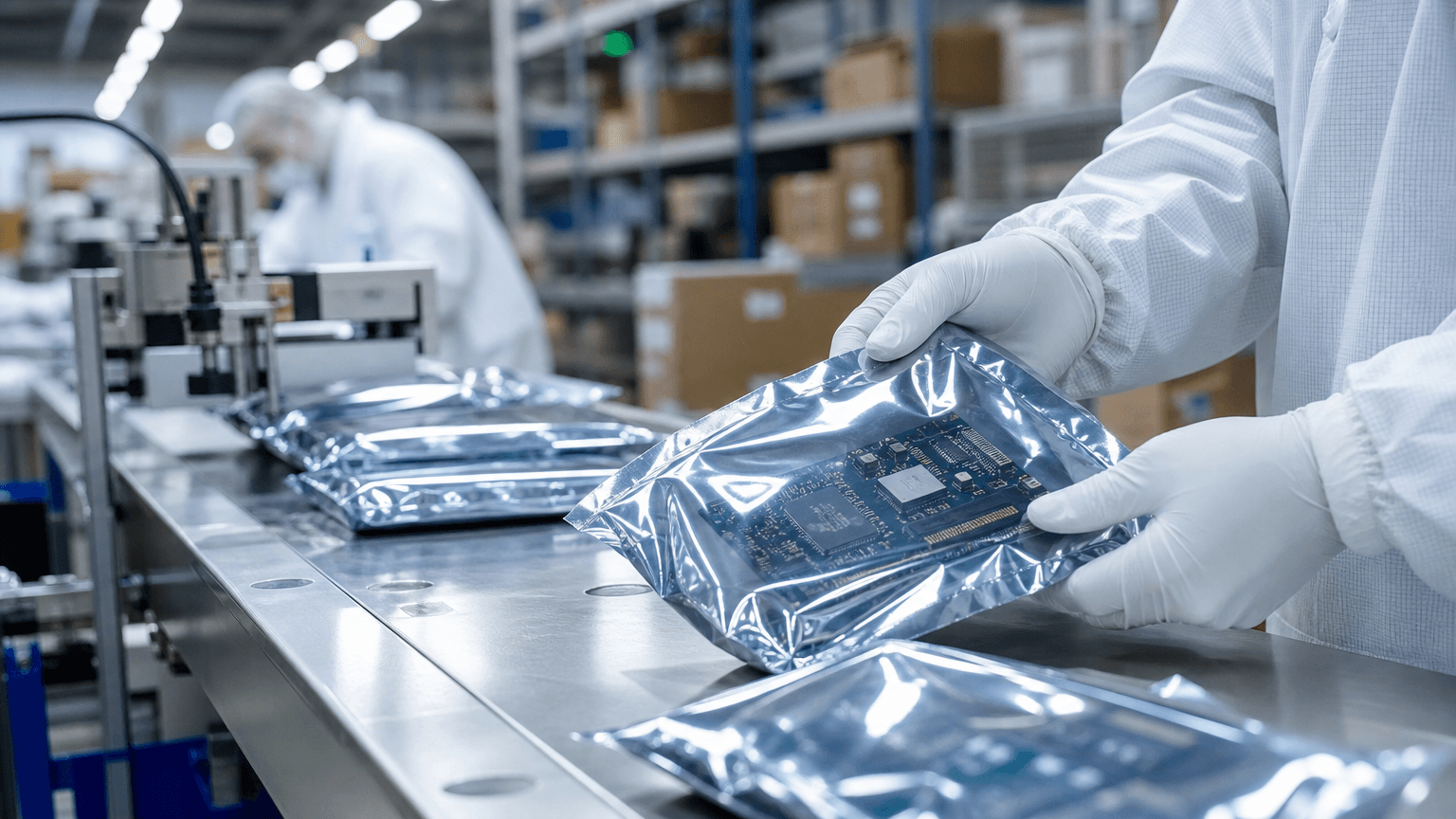
Rapid expansion in global electronics manufacturing and its extensive supply chains stands as a primary driver for the moisture barrier bag market. Electronic components, such as semiconductors, integrated circuits, and microprocessors, are highly vulnerable to moisture damage. This susceptibility can result in corrosion, oxidation, and ultimately, product failure.
The widespread adoption of advanced technologies, including electric vehicles, artificial intelligence, IoT devices, and cloud computing infrastructure, has substantially boosted semiconductor production worldwide. Consequently, manufacturers increasingly rely on moisture barrier bags to safeguard these sensitive electronic components during both shipping and storage. These specialized packaging solutions are essential for maintaining component integrity.
Another significant growth catalyst is the expanding pharmaceutical and healthcare industry. Pharmaceutical products, biologics, vaccines, and active pharmaceutical ingredients (APIs) necessitate stringent environmental protection to preserve their stability and efficacy. Moisture barrier bags offer an effective solution for shielding these sensitive pharmaceutical items throughout complex global distribution networks.
Rising healthcare expenditures and increased pharmaceutical manufacturing activities are expected to further accelerate market growth. The growing demand for biologics also contributes significantly to the need for advanced protective packaging solutions.
Evolving Trends and Future Outlook
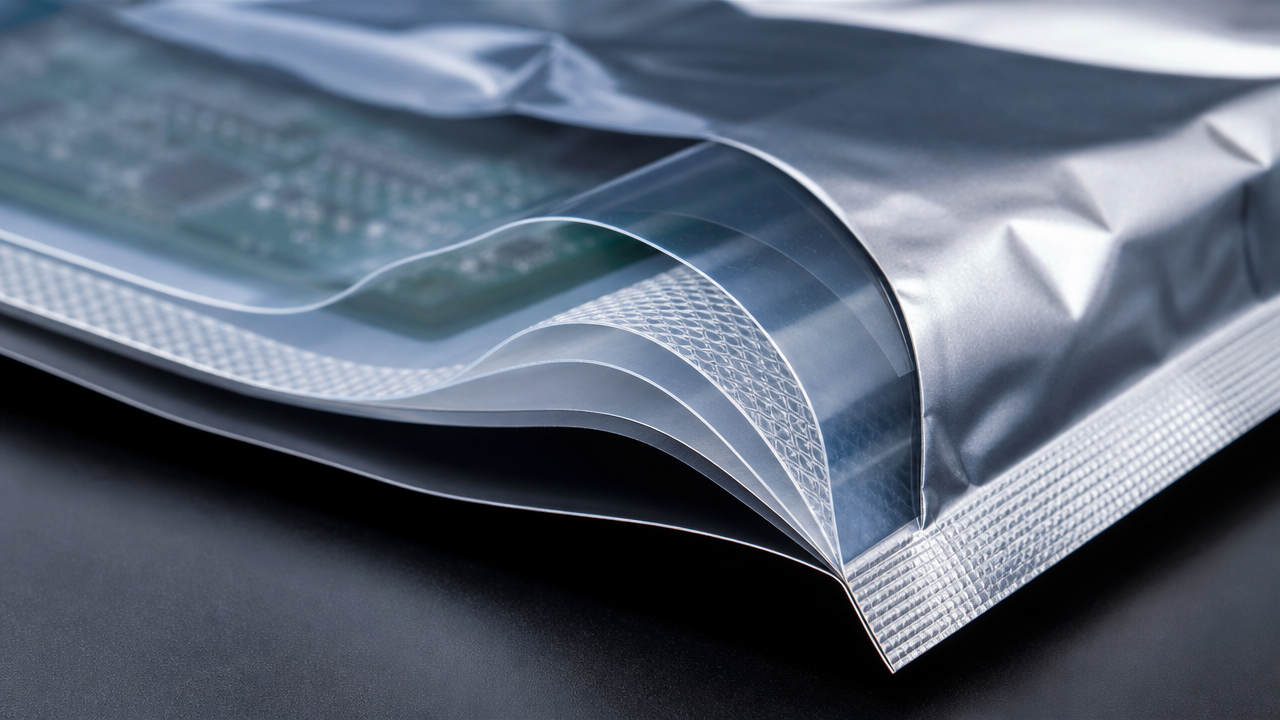
Sustainability is emerging as a dominant trend within the moisture barrier bags industry. Heightened environmental concerns and increasingly stringent packaging regulations are prompting manufacturers to develop recyclable and eco-friendly barrier packaging solutions. This shift addresses the challenge posed by traditional multi-layer barrier structures, which are often difficult to recycle.
Further market evolution includes the integration of multifunctional protective features such as anti-static protection, corrosion resistance, and vacuum sealing compatibility. These enhanced capabilities are particularly valuable in demanding applications within the electronics and aerospace sectors. Advancements in material science are simultaneously enabling the creation of high-performance barrier films, offering superior moisture protection with reduced material consumption.
The continued expansion of global trade and cross-border logistics presents substantial opportunities for suppliers of moisture barrier bags. As international shipments increase, the necessity for reliable packaging solutions capable of protecting high-value products during long-distance transportation becomes more pronounced. Businesses navigate complex global economic shifts, necessitating robust packaging strategies.
However, the market confronts several challenges, including fluctuating raw material prices and increasing regulatory compliance requirements. The technical complexity involved in developing recyclable high-barrier materials also remains a significant hurdle. Balancing cost, performance, and environmental responsibility continues to be a key focus for manufacturers.
The global moisture barrier bags market is set for robust growth, driven by the critical needs of the electronics and pharmaceutical sectors. As industries worldwide increasingly prioritize product integrity and supply chain reliability, demand for advanced protective packaging will intensify. The market's future will be shaped by ongoing innovations in material science, a strong push towards sustainable solutions, and the persistent challenge of balancing performance with environmental considerations.