New Center for Contested Logistics launched in Honolulu.
Operations expanded to provide technical support for USINDOPACOM.
Initiative targets supply chain resilience in high-threat zones.
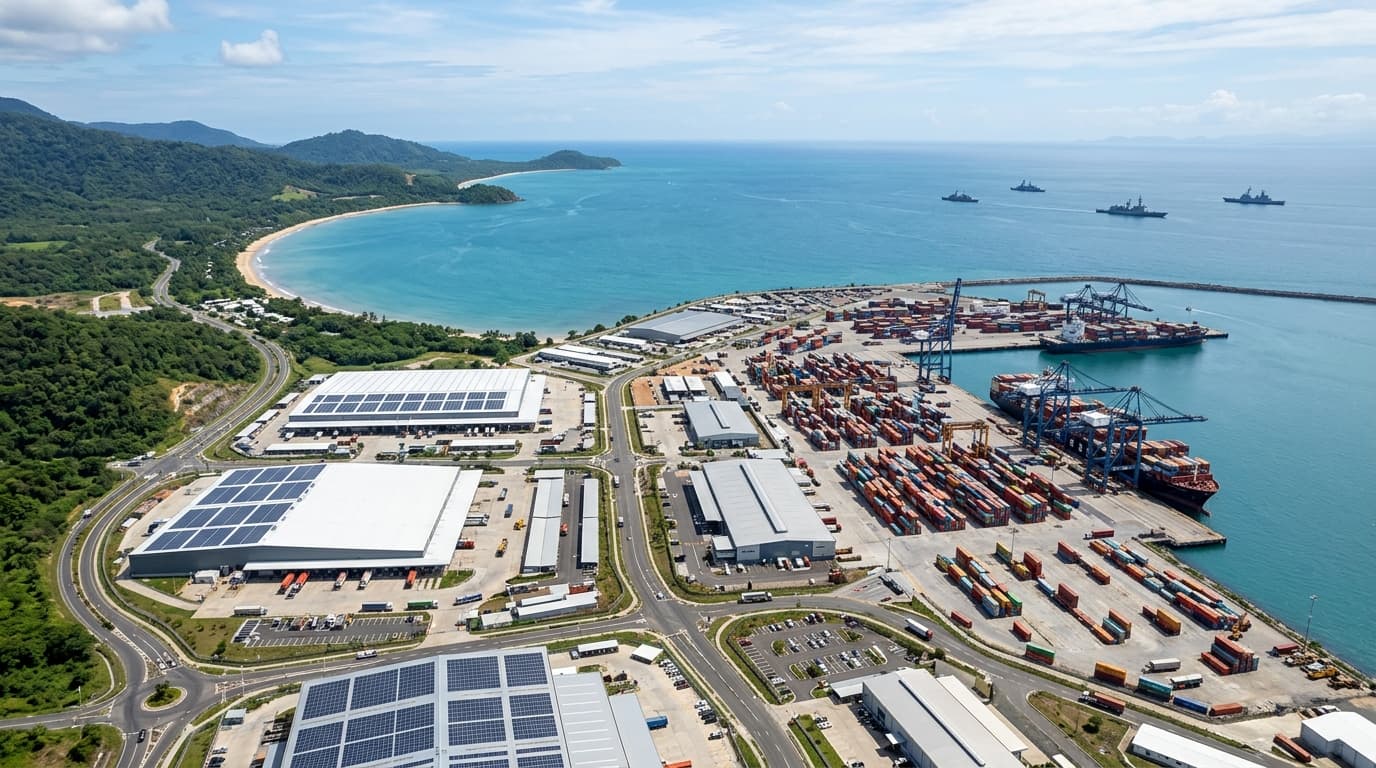
Amentum is scaling its presence in Hawaii to provide enhanced technical and logistical support to the U.S. Indo-Pacific Command. The company officially launched its Center for Contested Logistics to address the difficulties of maintaining supply chains in disputed environments. This strategic expansion aims to improve the readiness and agility of military operations across the Pacific. By placing resources closer to the theater of operations, the company intends to reduce response times for critical defense needs.
Strengthening Pacific Defense Infrastructure
The new facilities in Hawaii serve as a hub for engineering and sustainment services tailored to regional requirements. Amentum plans to integrate advanced data analytics to predict maintenance needs before equipment failures occur. This approach minimizes downtime for naval and aerial assets stationed in the region. The expansion also involves hiring specialized personnel with expertise in maritime logistics and electronic warfare.
These operations support the broader mission of USINDOPACOM to maintain a free and open Indo-Pacific. The company provides lifecycle management for complex systems, ensuring that hardware remains operational in harsh tropical environments. Engineers at the site work on upgrading legacy systems to meet modern security standards. This localized support structure allows for immediate troubleshooting and repair of mission-critical technology.
Investment in the Hawaii location includes upgraded secure communications and collaborative workspaces for defense partners. The facility acts as a liaison point between military leadership and technical contractors. By consolidating these functions, the organization reduces the administrative burden on active-duty personnel. This growth also contributes to the local economy by creating high-skilled technical positions within the state.
"The launch of the Center for Contested Logistics represents a significant milestone in our commitment to national security. By establishing this center in Hawaii, we provide immediate expertise to solve the most difficult supply chain obstacles in the Pacific."
— John Heller, CEO at Amentum
Amentum Expands Hawaii Operations for USINDOPACOM Support
Advancing Contested Logistics Capabilities
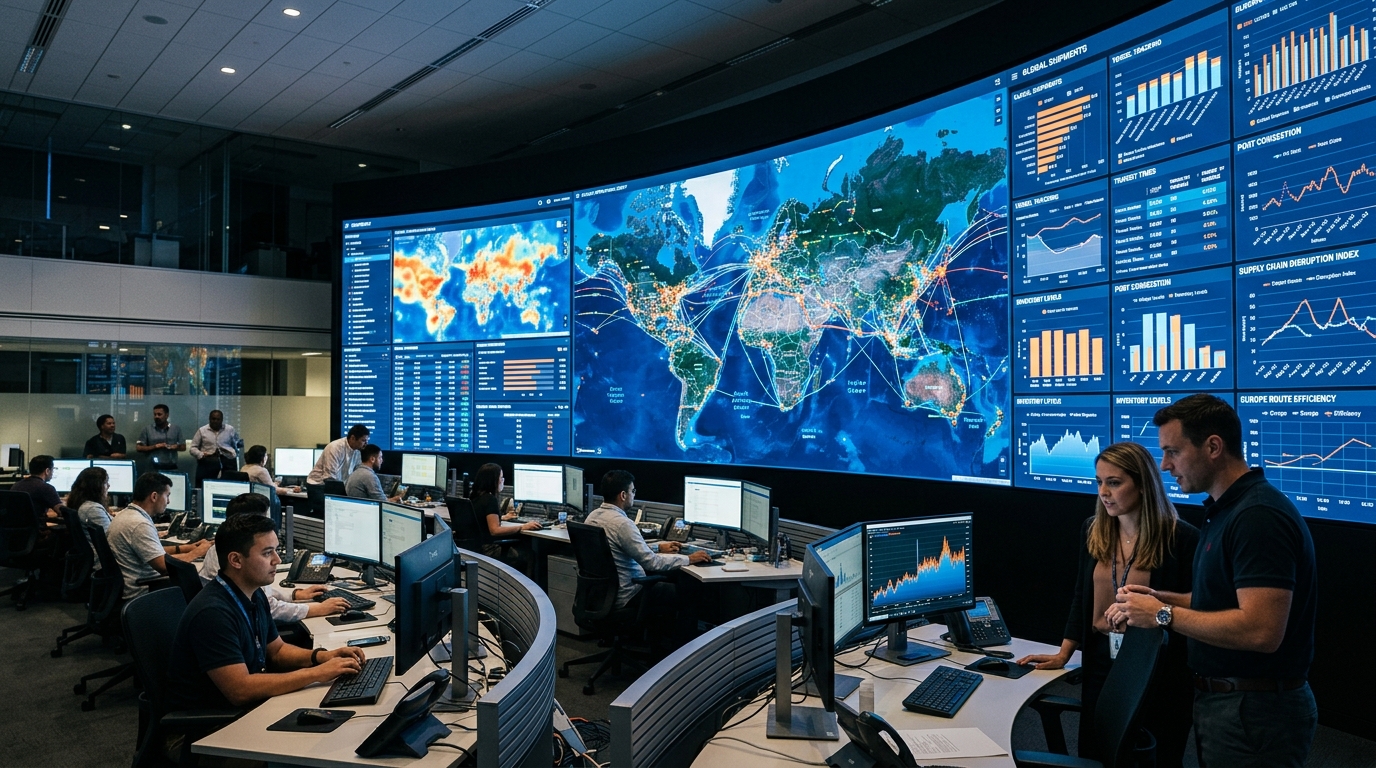
The Center for Contested Logistics focuses on the specific problem of moving supplies through areas where an adversary might disrupt transport. It utilizes modeling and simulation tools to identify vulnerabilities in current distribution networks. These tools help military planners develop alternative routes and methods for delivery. The center also evaluates the use of autonomous systems to transport cargo in high-risk zones.
Researchers at the facility analyze how to maintain fuel and ammunition stocks during extended periods of isolation. They prioritize the development of decentralized storage solutions that are harder to target or disable. This methodology shifts away from large, vulnerable supply depots toward a more distributed network. The goal is to ensure that frontline units have the resources they need regardless of external interference.
The center also investigates the application of 3D printing and additive manufacturing at the point of need. Producing spare parts on-site reduces the reliance on long-distance shipping lanes that are prone to interdiction. This capability is particularly useful for remote island outposts with limited port access. The company expects to integrate these new manufacturing techniques into standard operating procedures by the end of the fiscal year.
The expansion in Hawaii and the launch of the new logistics center position the firm as a primary partner for Pacific defense strategy. As regional tensions continue to influence military planning, the demand for specialized logistics solutions is expected to grow. Amentum remains focused on delivering technical services that enhance the operational reach of the United States and its allies. This development marks a long-term commitment to the stability and security of the Indo-Pacific region while navigating a competitive global defense market.
Stay Ahead of the News
Get the latest business news and company spotlights delivered to your inbox. No spam, unsubscribe any time.