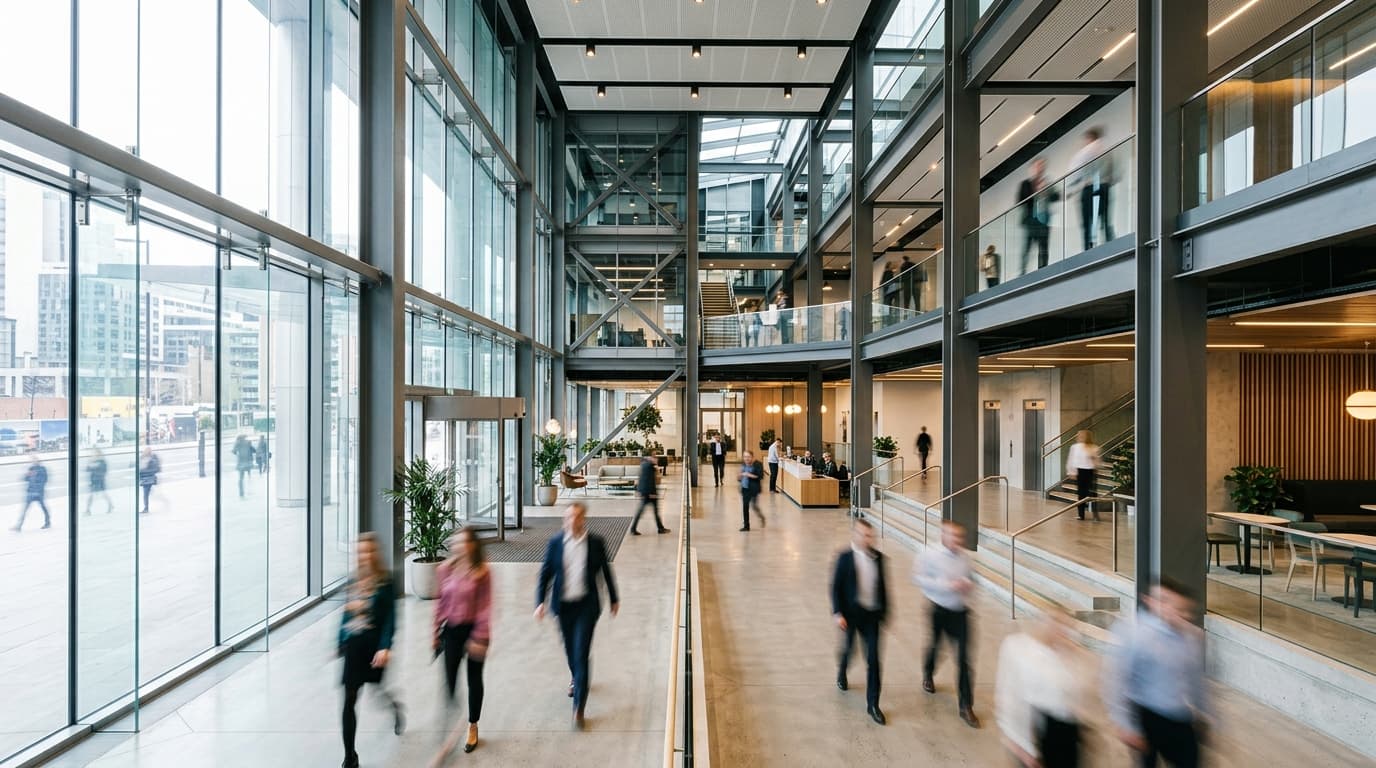
Business investment grew by 0.9% in the latest quarter according to ONS data.
Small and medium enterprises prioritize efficiency over rapid physical expansion.
Digital infrastructure spending remains a top priority for service-level firms.
Business investment in the United Kingdom grew by 0.9% in the most recent quarter, according to the latest figures from the Office for National Statistics. This uptick suggests a cautious return to confidence among mid-sized enterprises despite persistent inflationary pressures and high interest rates. Analysts note that while the manufacturing sector remains volatile, service-based industries are increasing their capital allocations. These shifts indicate a broader trend where companies prioritize operational efficiency over rapid expansion. The data highlights a resilient corporate sector managing to find growth opportunities in a complex economic environment.
Capital Allocation Trends and Regional Growth
The British Chambers of Commerce reports that nearly 45% of businesses plan to increase their investment in equipment over the next twelve months. This sentiment reflects a desire to offset rising labor costs through automation and updated hardware. Many firms are currently operating with thin margins, making every pound spent on infrastructure a calculated risk. Leaders are looking for ways to maximize their current assets while minimizing waste.
Regional variations remain a significant factor in how these funds are distributed across the country. Northern hubs are seeing a rise in logistics and warehousing investments, while the South East continues to dominate the financial services sector. Small business owners often struggle to access the same credit facilities as larger corporations. This disparity creates a fragmented environment where growth is unevenly distributed across different sectors. Local government initiatives are attempting to address these imbalances with targeted grants.
Investment in green energy initiatives is also seeing a steady rise as regulatory requirements become more stringent. Companies are finding that meeting environmental standards is no longer optional but a requirement for securing long-term contracts. The shift toward sustainable operations requires significant upfront capital which may impact short-term profitability. However, the long-term savings on energy costs offer a compelling financial argument for these expenditures. Many boards now view environmental compliance as a core part of their risk management strategy.
Interest rates continue to influence the timing of major acquisitions and facility upgrades. While some firms are proceeding with essential projects, others are waiting for more favorable borrowing conditions. The current cost of debt has made many organizations more conservative in their financial planning. This caution is particularly evident in the construction sector, where high material costs add another layer of difficulty. Despite these hurdles, the general trajectory for investment remains positive as the year progresses.
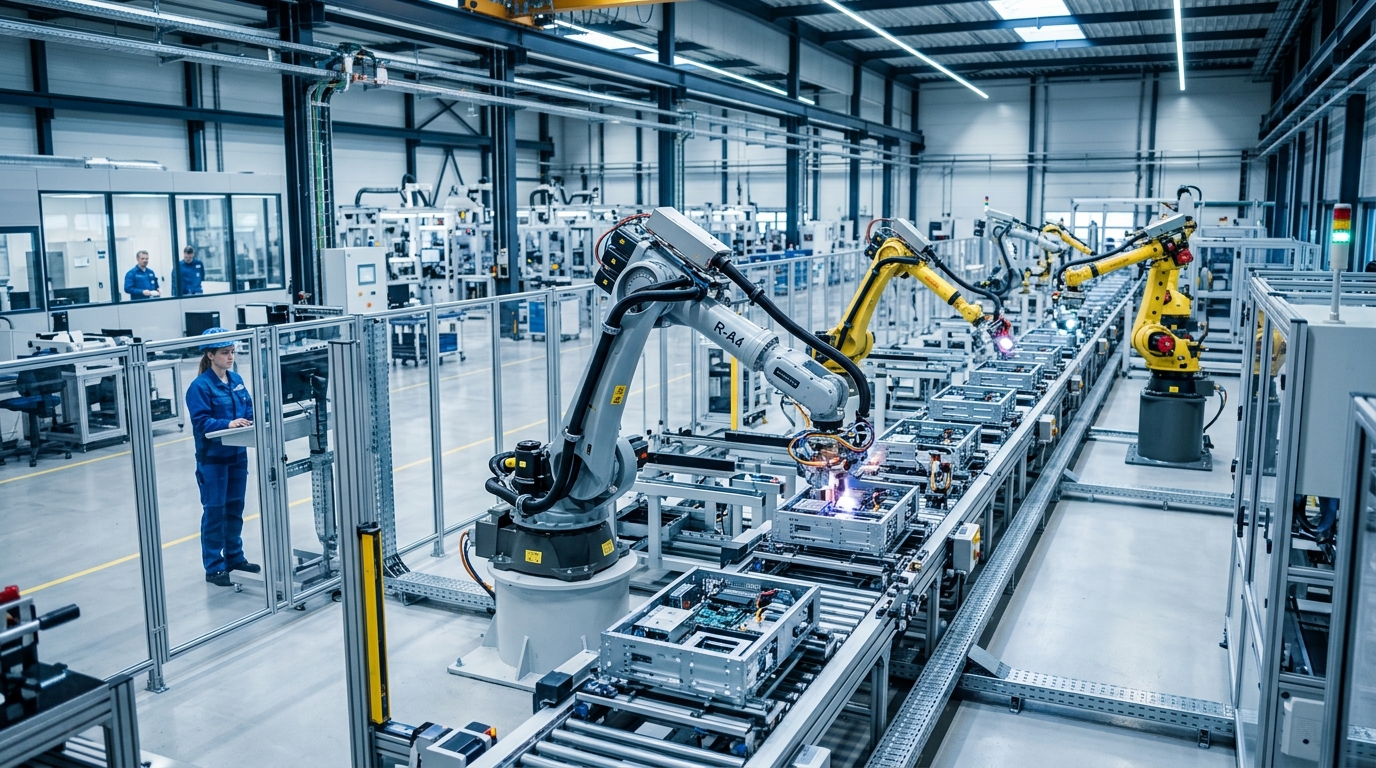
Manufacturing firms are increasingly turning to advanced robotics to maintain their competitive edge in the global market. These investments are often seen as a way to insulate the business from future labor shortages. By integrating more automated systems, factories can maintain consistent output levels regardless of external market fluctuations. This transition requires a significant change in how floor space is utilized and how staff are trained. The focus is shifting from manual labor to technical oversight and maintenance.
"Business leaders are currently balancing the need for modernization against the reality of a high-cost environment. We are seeing a pivot toward investments that offer immediate efficiency gains rather than long-term speculative growth."
— David Poston, Chief Economist at the Confederation of British Industry
UK Business Investment Rises Amid Productivity Shifts
Digital Infrastructure and Connectivity
Data from TechUK indicates that 60% of UK businesses have increased their spending on cloud computing services since the start of the year. This transition is largely driven by the need for more flexible work environments and the demand for better data security. Firms are moving away from legacy systems that require expensive on-site maintenance. This shift allows for more predictable monthly expenditure models which help in financial forecasting. It also enables teams to collaborate more effectively across different geographic locations.
The rise of artificial intelligence applications is also influencing how budgets are allocated within IT departments. Rather than just buying new software, businesses are investing in training programs to ensure their staff can use these tools effectively. There is a growing recognition that human capital is just as important as the technology itself. Without a skilled workforce, the benefits of new digital tools remain largely untapped. Companies are seeking a balance between automated processes and human expertise.
Connectivity remains a hurdle for many businesses located outside of major urban centers. While 5G rollout continues, some rural areas still report significant gaps in high-speed internet access. This digital divide prevents certain regions from fully participating in the modern economy. Government initiatives are attempting to bridge this gap, but progress is often slower than the private sector requires. Reliable internet is now considered a basic utility for any functioning business entity.
Cybersecurity has moved from a technical concern to a boardroom priority for most UK organizations. The increasing frequency of data breaches has forced companies to invest heavily in protective measures and insurance. These expenditures are often viewed as necessary defensive costs rather than growth-oriented investments. However, a strong security posture can be a competitive advantage when bidding for government or sensitive corporate contracts. Protecting customer data is essential for maintaining brand reputation and trust.
Software-as-a-Service models have become the standard for most business applications, from accounting to customer relationship management. This trend allows smaller companies to access the same high-quality tools that were previously only available to large corporations. The democratization of technology is helping to level the playing field for startups and niche providers. As these tools become more integrated, the focus is on data accuracy and real-time reporting. Business owners can now make decisions based on current data rather than historical reports.
Labor Market Dynamics and Wage Growth
The Office for National Statistics has noted that wage growth is beginning to stabilize after several months of rapid increases. This stabilization provides some relief for business owners who have struggled to manage rising payroll costs. However, the competition for specialized talent remains fierce, particularly in engineering and software development. Recruitment remains a top priority for firms looking to scale their operations in the coming year. Finding the right people is often the biggest bottleneck for growth.
Employee retention strategies are evolving to include more than just salary increases. Businesses are offering flexible working hours and enhanced health benefits to keep their best workers. These non-monetary perks are becoming a standard part of the total compensation package in many industries. Companies that fail to adapt to these expectations often face high turnover rates which are costly and disruptive. A stable workforce is vital for maintaining operational consistency and client satisfaction.
Training and development programs are also seeing renewed interest as a way to fill skill gaps internally. Instead of hiring new staff, many organizations are choosing to upskill their existing employees. This approach helps to build loyalty and ensures that the workforce remains relevant as industry requirements change. It also reduces the risks associated with external hiring in a volatile market. Continuous learning is becoming a key component of the modern corporate culture.
The gig economy and contract work continue to play a significant role in the UK labor market. Many firms use temporary staff to manage seasonal peaks or specific projects without increasing their permanent headcount. This flexibility allows businesses to remain agile and respond quickly to changing market conditions. However, it also presents challenges regarding team cohesion and long-term knowledge retention. Balancing permanent staff with contract workers requires careful management and clear communication.
Remote work policies remain a point of contention between some employers and their staff. While many workers value the flexibility of working from home, some executives believe it impacts productivity and office culture. Most companies have settled on a hybrid model that attempts to provide the benefits of both environments. This shift has significant implications for commercial real estate and city center economies. The way we view the office is undergoing a fundamental and permanent change.
Regulatory Environment and Trade Export Data
The regulatory environment for UK businesses is currently undergoing several changes as new trade agreements are finalized. Firms are having to adjust to different customs procedures and product standards for various international markets. These administrative tasks add to the overhead costs of exporting goods and services. Despite these challenges, many companies are looking beyond traditional markets to find new customers. Diversifying the client base is seen as a way to mitigate domestic economic risks.
Export data from the Office for National Statistics shows a mixed picture for different sectors of the economy. While services exports remain strong, the manufacturing sector has faced headwinds due to global supply chain disruptions. Many businesses are shortening their supply chains to reduce the risk of delays and rising shipping costs. This "near-shoring" trend is bringing some production back to the UK or closer European neighbors. It represents a shift away from the globalized models that dominated the last two decades.
Small businesses are particularly sensitive to changes in tax policy and government spending. The upcoming fiscal statements will be closely watched for any signs of new support or increased burdens. Many trade bodies are calling for more certainty in long-term policy to help firms plan their investments. Frequent changes in regulation can discourage companies from committing to large-scale projects. Stability is often cited as the most important factor for business confidence.
Compliance with new data protection laws is also a major focus for companies operating across international borders. The legal landscape for data transfers is becoming more complex, requiring expert guidance for many firms. Failure to comply can result in significant fines and damage to a company's reputation. Businesses are investing in legal and technical audits to ensure they remain on the right side of the law. This ongoing requirement adds another layer of complexity to daily operations.
The UK's relationship with major trading partners continues to evolve, creating both challenges and opportunities. While some traditional routes have become more difficult, new markets in the Indo-Pacific region are opening up. Businesses that are quick to adapt to these new trade dynamics are likely to see the most benefit. Success in international trade now requires a deep understanding of local regulations and consumer preferences. Companies are increasingly hiring specialists to manage these global relationships effectively.
The outlook for the remainder of the year suggests a period of steady but modest growth for the UK business community. While challenges such as energy costs and global supply chain issues persist, the underlying data shows a resilient corporate sector. Monitoring the upcoming fiscal policy changes will be essential for any business planning significant capital expenditure. Companies that maintain a disciplined approach to spending while embracing technological shifts are likely to lead the recovery. The focus remains on efficiency, adaptability, and long-term sustainability.
⭐
Business Spotlight
This article is a premium Business Spotlight feature — an in-depth profile with priority homepage placement. Contact us to be featured.
Stay Ahead of the News
Get the latest business news and company spotlights delivered to your inbox. No spam, unsubscribe any time.