Trex Company has disclosed the schedule of investor conferences its executives will attend in September 2026
The move fits a routine investor-relations pattern used by building products firms to engage institutional shareholders and analysts
The announcement arrives as building materials companies face mixed signals from housing markets, interest rates and consumer renovation spending worldwide
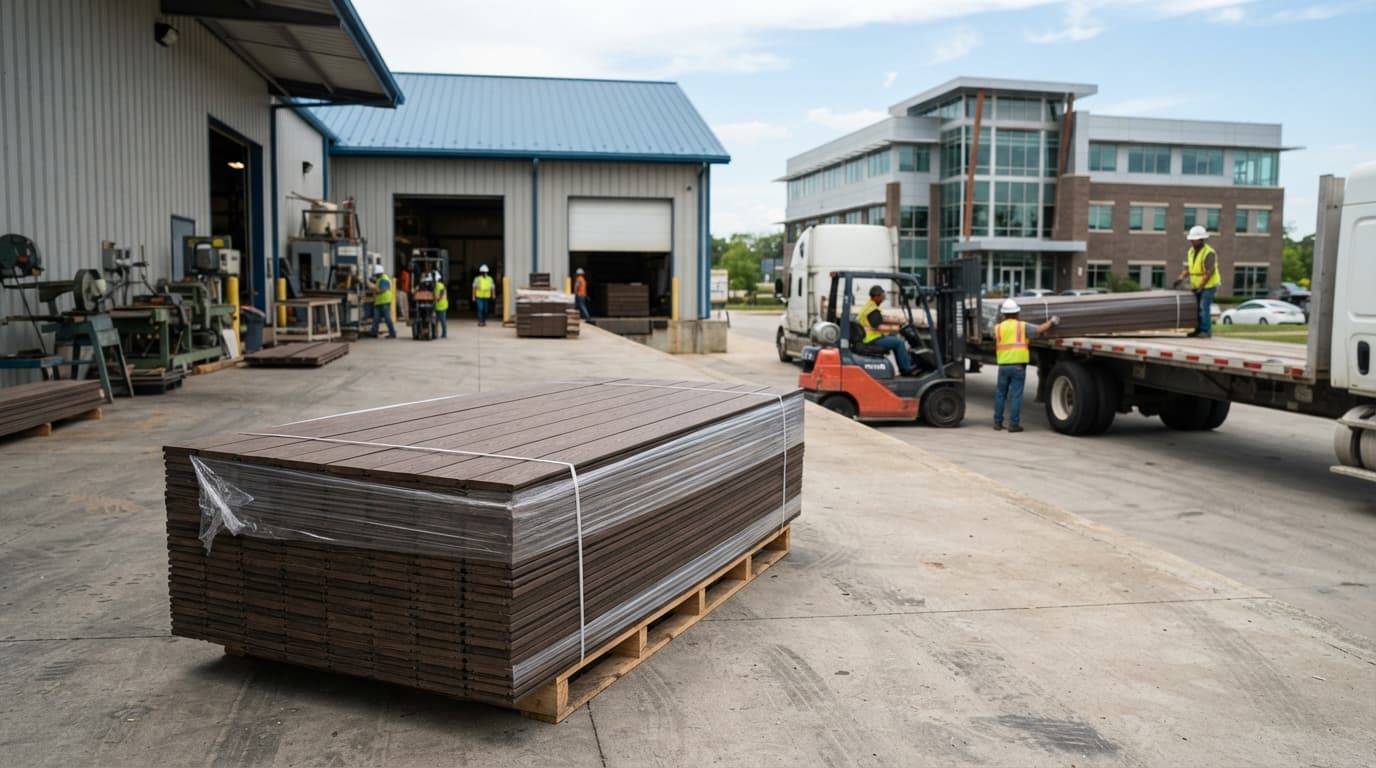
Trex Company, the Virginia-based manufacturer known for turning recycled plastic and reclaimed wood fibre into composite decking, has confirmed the investor conferences its leadership team will attend in September 2026. While such disclosures are a routine part of corporate investor-relations calendars, the timing offers a useful checkpoint on how building products companies are positioning themselves as global housing markets navigate uneven demand and shifting borrowing costs.
What the Conference Circuit Reveals About Corporate Strategy
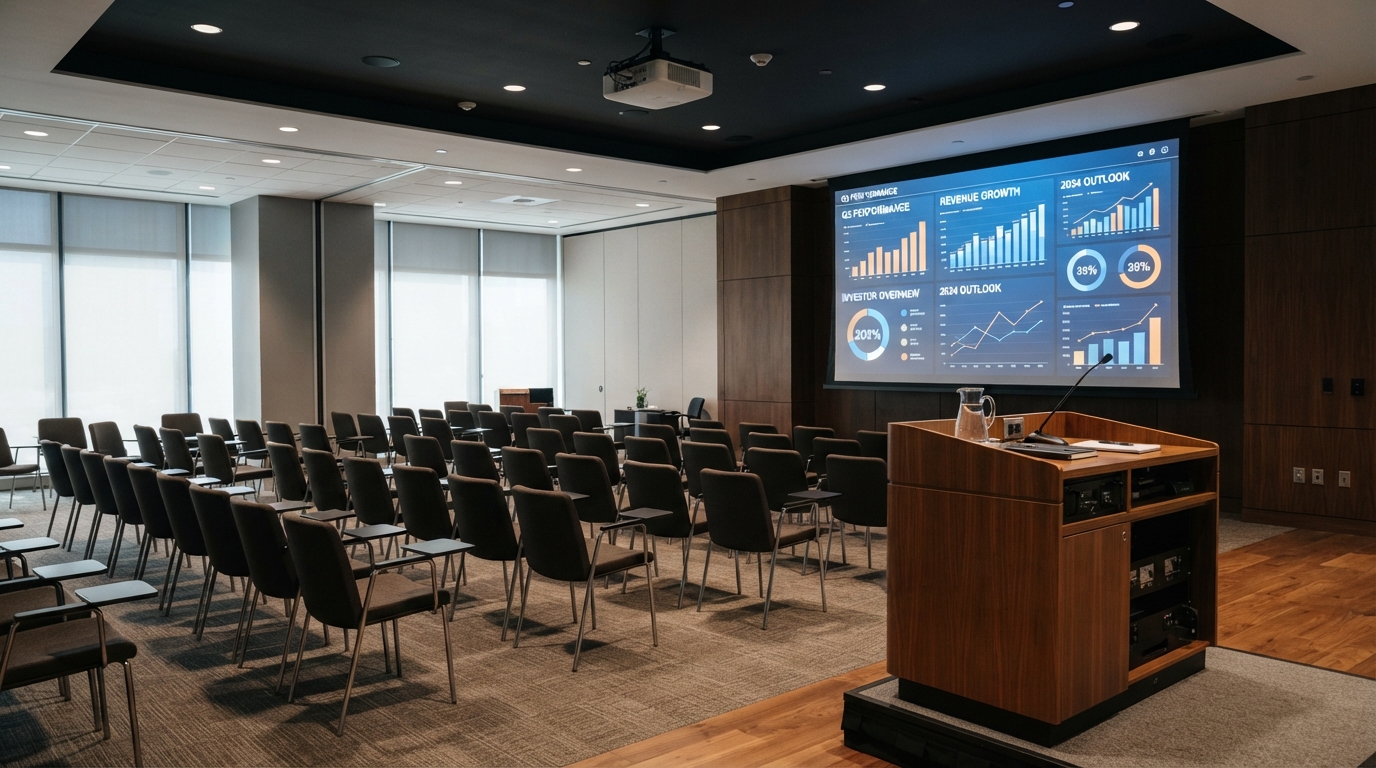
Publicly traded companies regularly appear before institutional investors, sell-side analysts and portfolio managers at industry and sector-focused conferences. These events give management teams a platform to reiterate strategy, answer questions on margins and demand trends, and, in some cases, provide incremental commentary beyond quarterly earnings calls.
For a company like Trex, whose fortunes are tied closely to residential construction, home renovation spending and outdoor living trends, conference appearances serve as an early gauge of how executives are framing near-term demand. Analysts often use these sessions to press for detail on channel inventory, pricing power and raw material costs that may not surface in scripted earnings releases.
The disclosure of a conference schedule months in advance also signals a company's confidence in its near-term visibility. Firms typically avoid committing to investor events during periods of significant uncertainty about earnings guidance or major corporate actions, making the calendar itself a modest data point for market watchers.
Investor conference appearances are generally accompanied by publicly available slide decks or webcast links, which retail investors can access alongside institutional audiences, a practice that has become standard following disclosure-fairness rules in major markets, including requirements enforced by regulators such as the U.S. Securities and Exchange Commission.
Trex's IR Calendar Signals Housing Sector Confidence Test
Building Products Sector Under the Microscope
Trex operates in a segment of the building products industry that has seen considerable volatility over the past several years. Composite decking, marketed as a lower-maintenance alternative to traditional wood, benefited from a surge in home renovation activity during periods of elevated housing turnover, but has since faced headwinds from higher borrowing costs that dampen big-ticket outdoor projects.
Industry watchers monitor companies like Trex partly because they act as a proxy for discretionary home-improvement spending, a category that tends to be more sensitive to consumer confidence than essential repairs. When mortgage rates rise or remain elevated, homeowners often delay large deck or patio projects, a dynamic that shows up first in order books at manufacturers before it appears in broader housing statistics.
This dynamic mirrors a broader pattern seen across industries preparing for renewed growth cycles after periods of subdued demand. Similar operational recalibration has been visible in other sectors bracing for expansion, as detailed in coverage of how one company approached its operational readiness drive ahead of anticipated growth.
Sustainability positioning adds another layer to how Trex is evaluated by investors. The company's use of recycled materials has been central to its brand identity, and environmental, social and governance-focused investors increasingly weigh such factors alongside traditional earnings metrics when assessing building products companies.
Why the Timing Matters for Market Watchers
September conference appearances often fall in a window when companies are approaching the final quarter of the calendar year, giving management a chance to offer directional commentary ahead of formal fourth-quarter guidance. For a company with a seasonal business tied to outdoor construction, late-summer and early-autumn commentary can carry particular weight, since it typically reflects order patterns from the peak spring and summer building season.
Analysts covering the building products sector will likely use these sessions to probe how input costs, including lumber-adjacent materials and plastics, are trending, along with any commentary on pricing actions taken earlier in the year. Currency effects and international demand, while historically a smaller factor for Trex compared with domestically focused peers, may also draw questions given the increasingly global nature of building materials supply chains.
Broader market context matters here too. Interest rate policy set by central banks continues to influence mortgage affordability and, by extension, renovation spending in markets well beyond North America, meaning commentary from a single mid-cap decking manufacturer can carry signal value for the wider housing-adjacent supply chain.
The disclosure of Trex's September 2026 investor conference schedule is, on its face, a routine corporate housekeeping item. Yet for analysts and investors tracking the health of the housing renovation cycle, these appearances offer a timely window into how one of the sector's more closely watched manufacturers is framing demand, costs and strategy heading into the final stretch of the year.
⭐
Business Spotlight
This article is a premium Business Spotlight feature — an in-depth profile with priority homepage placement. Contact us to be featured.
Stay Ahead of the News
Get the latest business news and company spotlights delivered to your inbox. No spam, unsubscribe any time.