
At a Glance
- Global rear-seat infotainment market projected for substantial expansion through 2033.
- Advanced connectivity, streaming, and gaming features drive consumer adoption.
- Asia-Pacific region emerges as a key growth engine due to rising vehicle ownership.
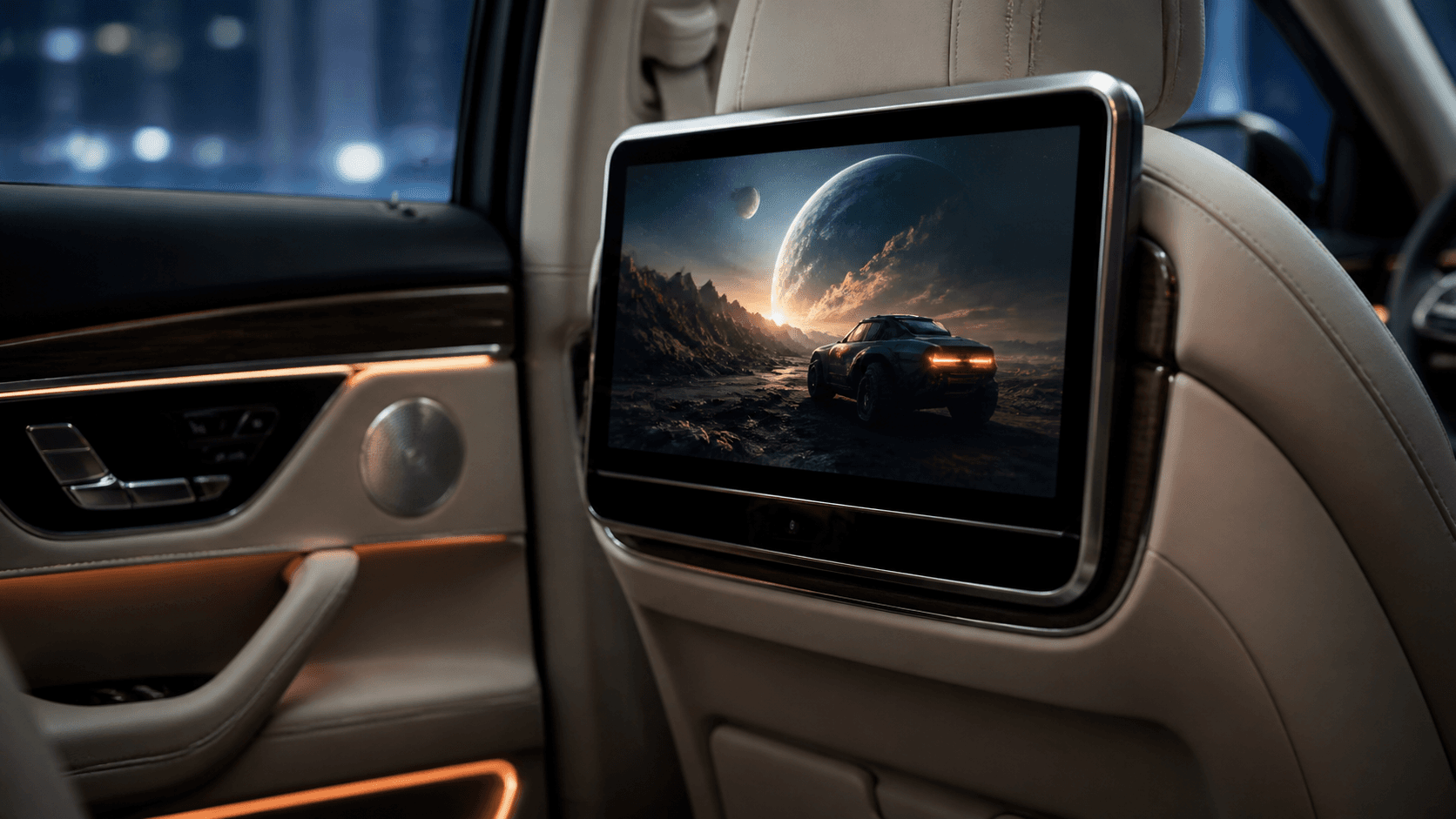
The global market for rear-seat infotainment systems is on a trajectory of sustained expansion, with industry analyses forecasting considerable growth between 2026 and 2033. This market segment, encompassing a range of in-car entertainment and connectivity solutions for back-seat passengers, is experiencing heightened demand driven by technological advancements and evolving consumer expectations. As vehicle manufacturers integrate more sophisticated digital ecosystems, rear-seat entertainment is transitioning from a luxury add-on to a sought-after feature in diverse vehicle categories.
Market Dynamics and Growth Catalysts
The proliferation of advanced connectivity options, including 5G and Wi-Fi 6, is a primary driver behind the rear-seat infotainment market's upward trend. These technologies enable seamless streaming of high-definition content, online gaming, and real-time communication, significantly enhancing the passenger experience. Consumers increasingly expect their in-vehicle entertainment to mirror the capabilities of their home and mobile devices, pushing manufacturers to innovate.
Rising disposable incomes in emerging economies and a growing preference for personal vehicles also contribute to market expansion. Families seeking to mitigate boredom during long journeys are opting for vehicles equipped with integrated display screens, headphone jacks, and multiple connectivity ports. This shift is particularly noticeable in the SUV and luxury car segments, where these systems are often standard or popular optional upgrades.
Automotive original equipment manufacturers (OEMs) are partnering with technology providers to integrate cutting-edge solutions. Companies like Harman International are developing platforms that support multiple operating systems and a wide array of applications, catering to diverse user preferences. This collaborative approach accelerates the pace of innovation and market penetration for advanced rear-seat systems.
The integration of voice assistants and gesture controls within these systems further improves usability and safety, allowing passengers to control functions without distraction. Market research firms such as Grand View Research consistently highlight these technological enhancements as critical factors influencing purchasing decisions for new vehicles. The trend towards personalized entertainment zones within the vehicle cabin is becoming more pronounced.
"The evolution of in-car connectivity, coupled with rising consumer expectations for personalized experiences, is reshaping the rear-seat infotainment landscape. Manufacturers are increasingly integrating advanced streaming services and gaming capabilities to cater to diverse passenger needs."
— Dr. Eleanor Vance, Head of Automotive Technology Research at TechInsights
Application, Type, and Technology Segmentation
The rear-seat infotainment market is segmented by application into passenger cars, commercial vehicles, and ride-sharing fleets, with passenger cars dominating due to higher production volumes and consumer demand for premium features. Within passenger cars, SUVs and luxury sedans represent significant segments for high-end systems. The growing use of ride-sharing services also presents opportunities for providers to offer enhanced passenger experiences.
By type, the market includes integrated and portable systems. Integrated systems, factory-installed into the vehicle's architecture, offer superior performance and aesthetic integration. Portable systems, while offering flexibility, typically have smaller screens and fewer advanced features. The trend clearly favors integrated solutions as automotive interiors become more technologically advanced and interconnected.
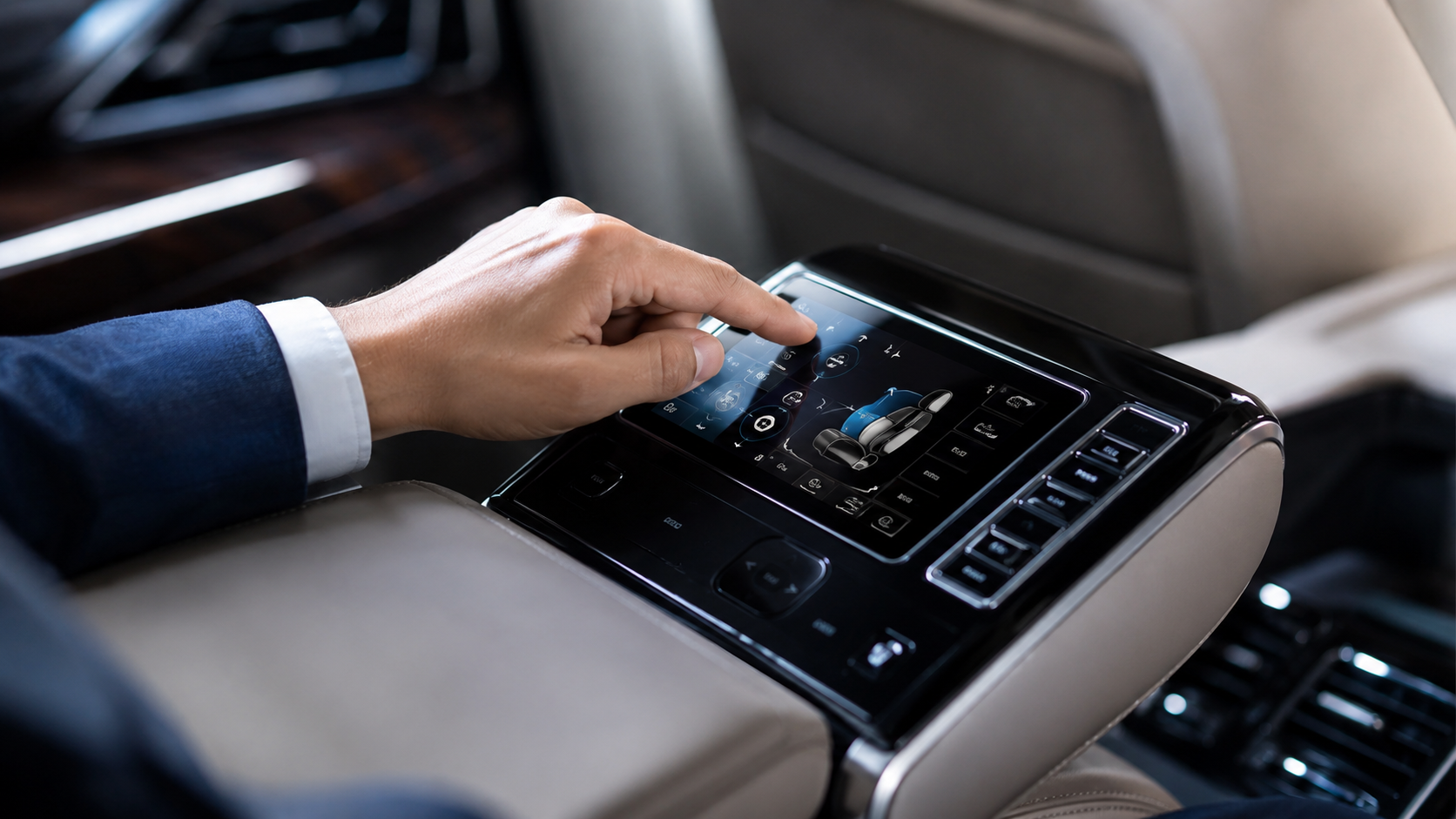
Technology-wise, the market is characterized by the adoption of high-definition displays, touchscreens, and advanced processors. Connectivity options such as Wi-Fi, Bluetooth, and cellular data are standard. The incorporation of augmented reality (AR) features and interactive content is also being explored by key players, promising more immersive experiences. These technological advancements are pushing the boundaries of what is possible in in-car entertainment.
The shift towards electric vehicles also impacts this market, as quieter cabins make audio and visual quality even more noticeable. Battery electric vehicles often feature larger, more sophisticated displays and robust power supplies, facilitating the integration of advanced infotainment units. This allows for longer usage times without concerns about vehicle power consumption or engine noise interference.
Regional Outlook and Competitive Landscape
Geographically, the Asia-Pacific region is anticipated to demonstrate the highest growth rate in the rear-seat infotainment market, driven by increasing vehicle production and sales, particularly in countries like China and India. The rising middle class in these regions is fueling demand for feature-rich vehicles. Additionally, the presence of major automotive manufacturing hubs contributes to the region's market strength.
North America and Europe also hold substantial market shares, characterized by a strong preference for premium and technologically advanced vehicles. Consumer willingness to invest in comfort and entertainment features supports steady growth in these established markets. The high adoption rate of connected car technologies further bolsters demand for sophisticated rear-seat systems.
Key players in the global rear-seat infotainment market include companies such as Panasonic Corporation, Alpine Electronics, Pioneer Corporation, and Visteon Corporation. These companies are continually investing in research and development to introduce new products and functionalities. Strategic collaborations and mergers are common as firms seek to expand their technological capabilities and market reach, as observed by industry analysts at S&P Global Mobility.
The competitive landscape is marked by continuous innovation, with a focus on user interface design, content integration, and system compatibility with various smart devices. Future developments are expected to include more personalized content delivery, enhanced parental controls, and deeper integration with external smart home ecosystems. This ongoing evolution ensures a dynamic and expanding market for the foreseeable future.
The rear-seat infotainment market is set for sustained expansion, propelled by continuous technological advancements and evolving consumer desires for connected and entertaining travel experiences. As vehicle manufacturers increasingly prioritize cabin technology, the integration of high-definition displays, advanced connectivity, and diverse content options will become standard. Industry projections suggest a robust growth trajectory, indicating significant opportunities for innovation and market penetration across global automotive sectors in the coming years.