Manchester Airport Community Trust Fund announces new grant allocations.
Funding supports emergency medical volunteers and village heritage projects.
Corporate social responsibility initiatives aim to offset aviation environmental impacts.
Manchester Airport has confirmed a significant new round of financial support for regional grassroots organisations through its dedicated Community Trust Fund. This latest allocation of resources targets a diverse array of projects ranging from urgent medical volunteer services to the preservation of historic village heritage trails. By providing these grants, the airport aims to strengthen the social infrastructure of the communities located within its immediate operational footprint. This move aligns with broader industry trends where major transport hubs invest in local social capital to maintain a positive relationship with regional stakeholders.
Supporting Vital Medical Volunteer Services
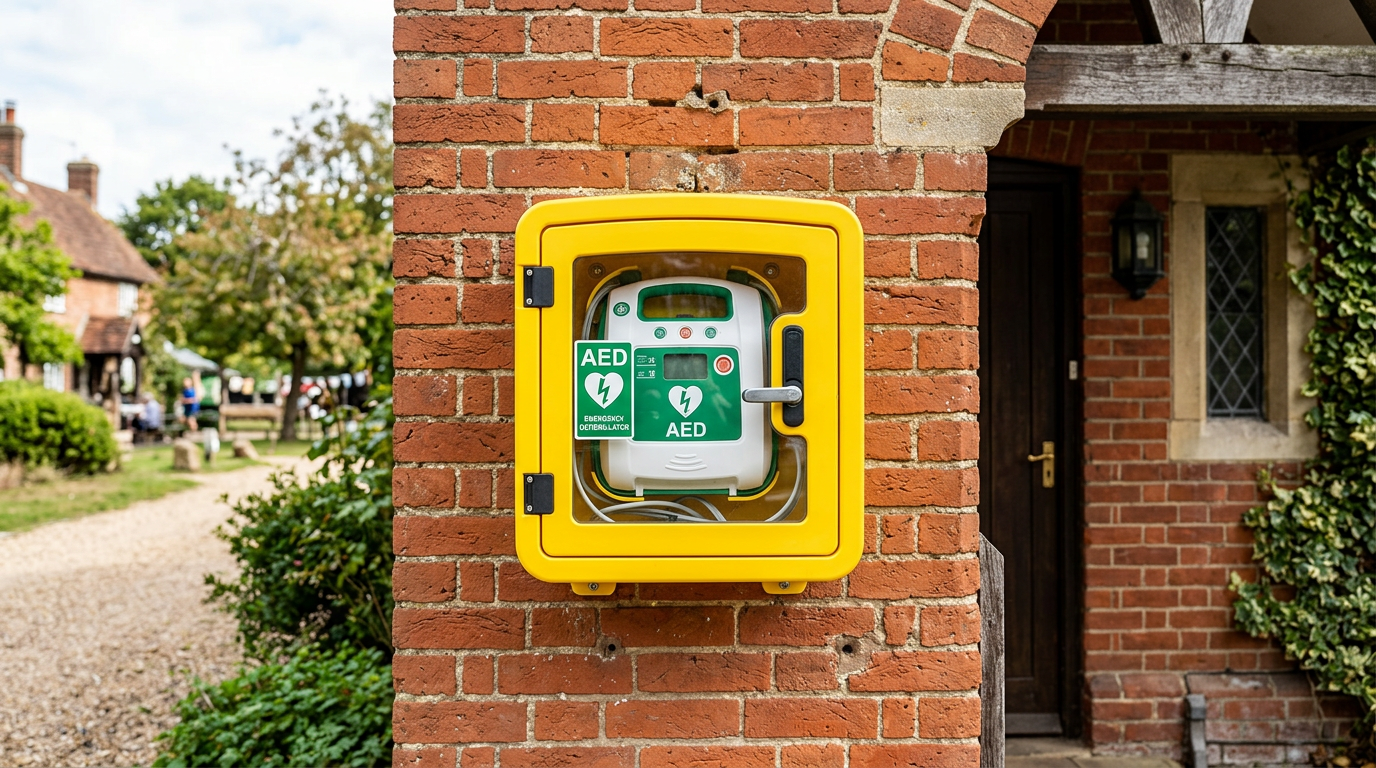
A primary focus of the current funding cycle involves the enhancement of local emergency medical response capabilities. Several volunteer groups have received grants to purchase life-saving equipment, including automated external defibrillators and advanced first-aid kits for community responders. These volunteers often provide the first line of medical assistance in rural areas where ambulance wait times might be extended due to geographic constraints. The Manchester Airport Community Trust Fund prioritises these applications to ensure that health outcomes remain a top priority for the region.
The financial assistance also covers training programmes for new volunteers who wish to serve their local neighbourhoods. Professional medical training is expensive, and many small charities struggle to meet the costs of certifying their members. By covering these overheads, the airport ensures a steady pipeline of qualified individuals ready to assist the National Health Service during peak periods. This support is particularly vital for groups operating in the fringes of Greater Manchester and Cheshire.
The equipment purchased through these grants is often housed in accessible public locations, such as village halls and community centres. This placement ensures that the technology is available for public use even when volunteers are not immediately on site. Data from the Office for National Statistics (ONS) suggests that proximity to emergency medical equipment significantly improves survival rates for cardiac incidents. Consequently, the airport's contribution serves as a direct investment in the physical well-being of thousands of residents.
Furthermore, the funding helps medical volunteer groups maintain their transport vehicles, which are essential for reaching remote locations. Fuel costs and vehicle maintenance often consume a large portion of a small charity's annual budget. The airport's intervention allows these groups to redirect their own fundraising efforts toward specialised medical supplies rather than basic operational costs. This targeted approach ensures that every pound provided by the trust fund has a measurable impact on local safety.
"The distribution of these funds represents our commitment to the social fabric of the regions surrounding our operations. By targeting both health services and cultural history, we address immediate needs while preserving the long-term identity of local villages."
— Chris Woodroofe, Managing Director at Manchester Airport
Manchester Airport Fund Backs Local Heritage and Health
Developing Cultural Assets via Heritage Trails
Beyond health services, the fund is making substantial investments in the preservation of local history through the development of village heritage trails. These projects involve the installation of professional signage, the restoration of historical markers, and the creation of digital maps for residents and visitors. Such initiatives help to maintain a sense of place and identity in villages that have seen rapid modern development. The Manchester Airport Group views these cultural investments as a way to promote regional tourism and education simultaneously.
Heritage trails serve as an educational resource for local schools, providing a tangible link to the industrial and social history of the area. Many of the funded projects focus on the textile history of the region or the agricultural roots of Cheshire villages. By documenting these narratives, the community ensures that future generations understand the evolution of their local environment. These trails also encourage outdoor activity, contributing to the general health and fitness of the population.
The economic benefits of heritage tourism are well-documented by regional development agencies. Well-maintained trails attract visitors who then spend money in local shops, cafes, and pubs, providing an indirect boost to small businesses. This creates a cycle of reinvestment where cultural preservation leads to economic stability for village economies. The airport’s role in this process is to provide the initial capital required to get these projects off the ground.
Each heritage project is managed by local committees, ensuring that the content reflects the true history of the people who live there. This local autonomy is a core principle of the trust fund’s grant-making process. By allowing residents to lead the preservation efforts, the airport ensures that the projects are authentic and highly valued by the community. The result is a series of unique landmarks that differentiate the region from other suburban areas.
Corporate Accountability and Regional Growth
The existence of the Community Trust Fund is a central component of the airport’s environmental and social governance strategy. Aviation companies are under increasing pressure to demonstrate how they mitigate the noise and carbon footprints of their operations. Providing direct financial support to local causes is a transparent method of sharing the economic benefits of a major international gateway. According to the Confederation of British Industry, businesses that engage in deep-rooted community support often see higher levels of local approval and smoother planning processes.
The fund is financed through a combination of airport profits and fines levied against airlines that breach noise regulations. This mechanism ensures that there is a direct link between operational impacts and community benefits. When an airline fails to follow preferred noise routes, the resulting fine is recycled back into the community. This creates a system of accountability that incentivises quieter operations while funding local improvements.
Since its inception, the fund has distributed millions of pounds to hundreds of different organisations across the region. The diversity of the recipients is a testament to the broad needs of the local population. From youth sports clubs to environmental conservation groups, the fund touches almost every aspect of civic life. This breadth of support helps to build a resilient community that can better withstand economic fluctuations.
Independent audits of the fund’s activities show a high level of efficiency in how money is distributed. The application process is designed to be accessible to small groups that may not have professional grant writers. This ensures that even the smallest volunteer-led initiatives have a fair chance at securing the resources they need. Such inclusivity is vital for maintaining the trust of the local electorate and business community.
Evaluating the Long-Term Social Return on Investment
Measuring the success of community grants requires a focus on long-term outcomes rather than immediate outputs. For medical volunteers, the success is measured in lives saved and response times reduced across the county. For heritage trails, the impact is seen in increased footfall and the preservation of historic structures that might otherwise have fallen into disrepair. The airport regularly reviews the progress of funded projects to ensure that the capital is being used effectively.
The social return on investment is also evident in the increased levels of volunteerism prompted by these grants. When a community group receives professional equipment or a new facility, it often attracts more members who are eager to participate. This surge in civic engagement is a valuable byproduct of the financial support. It strengthens the bonds between neighbours and reduces social isolation among older residents who often lead these volunteer efforts.
Looking ahead, the airport plans to continue its support as the aviation industry recovers and expands. New funding priorities may emerge as the needs of the community evolve, particularly in areas like digital literacy and green energy. The trust fund remains a flexible tool that can adapt to the changing socio-economic conditions of the North West. This adaptability ensures that the airport remains a partner in the region’s growth rather than just a commercial entity.
The relationship between a major airport and its neighbours is complex and requires constant management. By investing in health and history, Manchester Airport demonstrates a sophisticated understanding of what makes a community thrive. These grants are more than just charitable donations; they are a vital part of a regional economic strategy. As the fund enters its next decade, its role in supporting the local social fabric appears more certain than ever.
The Manchester Airport Community Trust Fund continues to prove that targeted corporate giving can produce significant regional benefits. By bridging the gap between a global transport hub and local village needs, the fund ensures that the advantages of aviation are felt by those living closest to the runways. The ongoing support for medical volunteers and heritage trails highlights a balanced approach to community investment. As these projects mature, they will provide a lasting legacy of safety and culture for the entire region to enjoy.
⭐
Business Spotlight
This article is a premium Business Spotlight feature — an in-depth profile with priority homepage placement. Contact us to be featured.
Stay Ahead of the News
Get the latest business news and company spotlights delivered to your inbox. No spam, unsubscribe any time.