

At a Glance
- JETOUR celebrates eight years of growth through its specialized SUV ecosystem strategy.
- The automaker reports significant sales volume increases across Middle Eastern and African markets.
- Strategic expansion plans target 60 countries with a focus on localized product development.
JETOUR recently marked its eighth anniversary, reporting a significant rise in international sales and brand recognition. The automaker has established a distinct market position by integrating vehicle manufacturing with a broader travel ecosystem. This approach focuses on specialized SUV models tailored for diverse terrains and consumer lifestyles. Recent data indicates the company has successfully exported vehicles to over 50 countries, positioning itself as a major player in the global automotive sector.
The Evolution of the Travel Strategy
JETOUR focuses on a specialized segment that combines vehicle utility with outdoor lifestyle services. This strategy moves beyond traditional car sales by offering integrated travel solutions and accessories. The company partners with tourism boards and outdoor equipment providers to enhance the ownership experience. These partnerships allow owners to access exclusive camping sites and travel discounts through a dedicated mobile application.
The brand has developed specific product lines like the X-series and the T-series to address different consumer needs. While the X-series targets urban families, the T-series provides off-road capabilities for adventurous drivers. This targeted approach has helped Chery International capture niche markets that larger competitors often overlook. The company continues to refine these models based on feedback from a growing international community of outdoor enthusiasts.
Market analysts note that this specialization helps the brand maintain high customer loyalty. Owners often participate in organized driving events and brand-sponsored excursions. These activities reinforce the connection between the vehicle and the driver’s personal interests. By building a community around the act of traveling, the company reduces its reliance on traditional price-based competition.
The development of the "Travel+" ecosystem also involves a significant investment in aftermarket support. JETOUR provides specialized modifications for camping, including roof tents and integrated storage systems. This ensures that the vehicles are ready for long-distance travel immediately after leaving the showroom. Such attention to detail has helped the brand differentiate itself in a crowded SUV market.
"The success of the Travel+ strategy demonstrates how specialized automotive brands can thrive by focusing on specific consumer behaviors rather than general mass-market appeal. By building an ecosystem around the vehicle, the company creates value that extends far beyond the initial purchase price."
— Michael Robertson, Senior Automotive Analyst at the Society of Motor Manufacturers and Traders (SMMT)
International Growth and Market Penetration
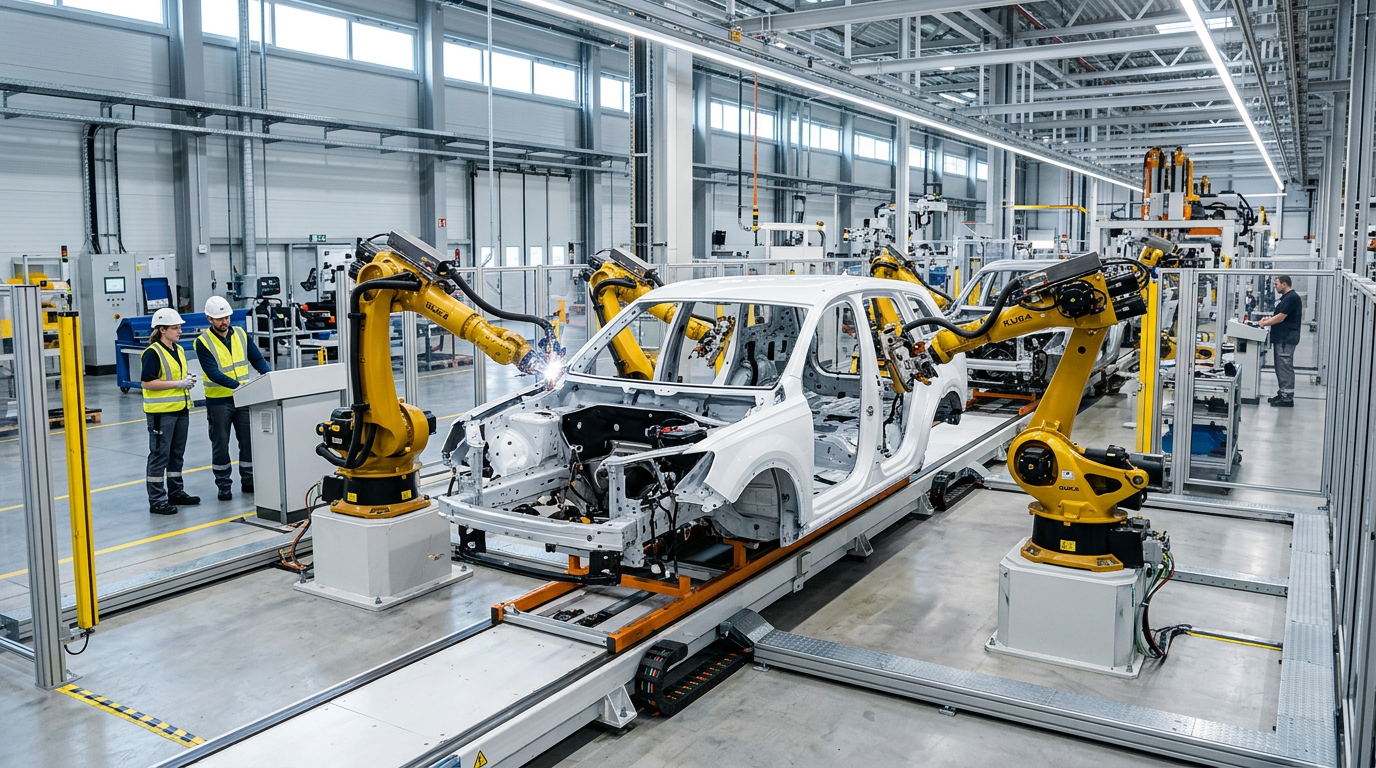
The company has achieved rapid growth in regions such as the Middle East, Central Asia, and Latin America. Sales figures from the past fiscal year show a 75% increase in export volume compared to previous periods. Localized production facilities in key regions have helped mitigate supply chain disruptions and reduce shipping costs. These facilities also allow the company to adapt vehicle specifications to meet local environmental requirements.
In markets like Saudi Arabia and the United Arab Emirates, the brand has seen a surge in demand for its high-clearance SUV models. These vehicles are designed to withstand extreme temperatures and desert conditions. The International Organization of Motor Vehicle Manufacturers reports that such specialized SUVs are gaining market share in emerging economies. The ability to handle harsh climates is a major selling point for consumers in these territories.
Expansion into Southeast Asia is currently a primary objective for the corporate leadership team. New distribution agreements in Indonesia and Malaysia suggest a long-term commitment to the region. The company expects these markets to contribute significantly to its goal of reaching one million annual units by 2026. This growth is supported by a network of over 600 sales and service centers worldwide.
The brand also emphasizes local talent in its international offices to better understand regional consumer preferences. Marketing campaigns are tailored to reflect the cultural values and travel habits of each specific country. This localized approach has proven effective in building brand trust in relatively new markets. The company plans to enter several new European markets within the next twenty-four months.
Technical Development and Product Roadmap
Engineering teams are prioritizing the development of hybrid and electric powertrains to meet tightening global emission standards. The upcoming product pipeline includes several plug-in hybrid models intended for the European market. These vehicles will feature advanced driver assistance systems and improved battery efficiency. The shift toward electrification is a core component of the company's long-term sustainability goals.
The brand is also investing in smart cockpit technology to improve user interaction. Voice-activated controls and integrated navigation systems are becoming standard features across the entire lineup. These updates are intended to appeal to younger, tech-savvy buyers who prioritize connectivity. The company views software as a key differentiator in the modern automotive market.
According to reports from TechUK, the integration of software-driven features is a major trend in the modern automotive industry. JETOUR is aligning its research and development budget to stay competitive in this area. Future models will likely include over-the-air update capabilities to maintain vehicle performance over time. This allows the manufacturer to improve vehicle functionality without requiring a physical visit to a service center.
Testing facilities have been expanded to include simulated environments for extreme cold and high-altitude driving. This rigorous testing process ensures that every vehicle can perform reliably in the most demanding conditions. The company maintains several research centers across the globe to tap into international engineering expertise. This global R&D network facilitates the rapid integration of new safety technologies into production models.
As JETOUR enters its ninth year, the focus remains on scaling its international presence while refining its core product offerings. The company aims to solidify its reputation as a leader in the outdoor-focused SUV segment through consistent technological updates and market-specific adaptations. With a growing network of global dealerships and a clear strategic direction, the automaker is well-positioned for continued success. Industry observers will watch closely as the brand attempts to replicate its regional growth on a truly global scale.