IATA grants the 2026 CBTA Center Best Innovation Award for advanced AI integration.
Pika Aero and DGM France collaboration reduces training certification cycles by 15 percent.
Industry experts project $400 million in annual savings through automated assessment tools.
The International Air Transport Association has formally recognized Pika Aero and DGM France with the 2026 CBTA Center Best Innovation Award. This prestigious honor highlights the successful implementation of artificial intelligence within competency-based training and assessment frameworks. The announcement took place during the annual global aviation training summit, where industry leaders reviewed the latest advancements in safety and operational efficiency. This award signifies a major shift toward data-centric instruction for flight crews and ground personnel worldwide.
The Evolution of Competency-Based Training Standards
Modern aviation training is moving away from traditional hours-based metrics toward a model focused on specific skill mastery. The International Air Transport Association has championed this transition to improve safety outcomes across the global fleet. By focusing on competencies, airlines can ensure that pilots and technicians are prepared for the specific challenges of modern flight decks. The recent award acknowledges how software can track these competencies with higher precision than human observers alone.
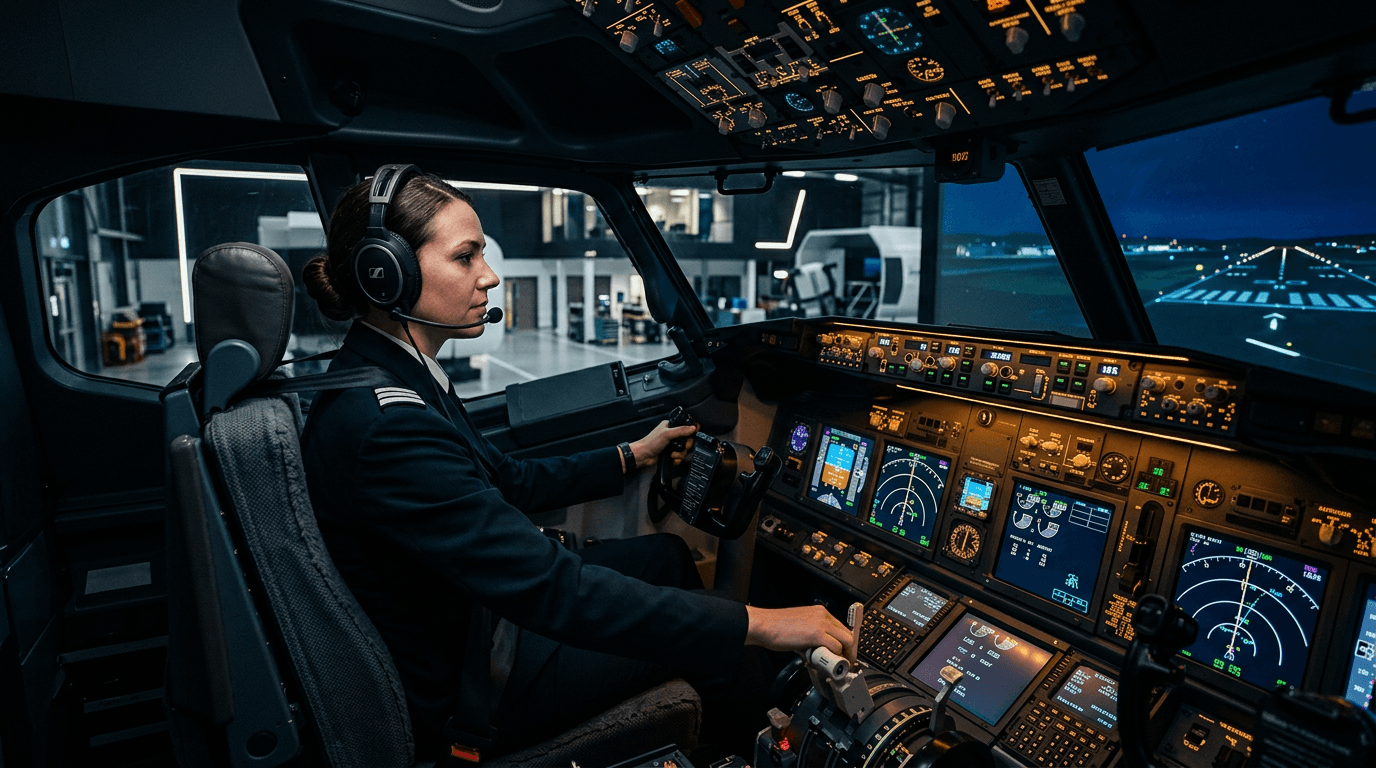
Pika Aero developed a specialized machine learning engine that monitors trainee performance during high-fidelity simulations. This system records thousands of data points every second to identify subtle deviations in procedure or decision-making. Instructors receive instant reports that highlight where a student requires additional focus. This objective feedback loop reduces the variability often found in subjective human evaluations.
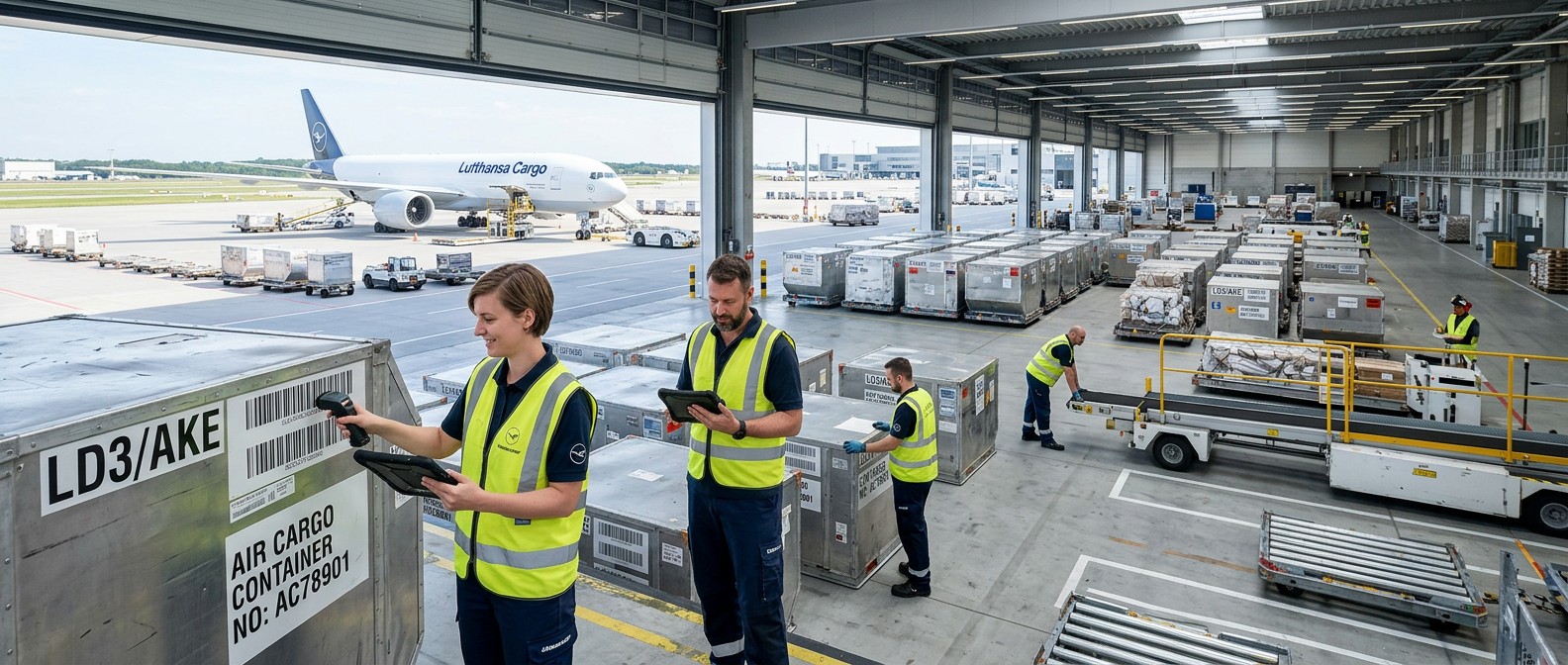
DGM France provided the logistical and regulatory expertise necessary to apply this technology to dangerous goods handling. Their contribution ensured that the AI models remained compliant with strict international safety protocols. The partnership demonstrates how technology firms and subject matter experts can modernize legacy training programs. The result is a more resilient workforce capable of handling complex cargo requirements.
The British Chambers of Commerce recently noted that such technological adoptions are vital for maintaining competitive advantages in international trade. Aviation serves as the backbone of global commerce, making these training improvements essential for economic stability. As cargo volumes increase, the need for rapid yet thorough staff certification becomes a primary concern for logistics providers. This new AI framework addresses those concerns by optimizing the learning path for every individual.
"The integration of machine learning into our competency frameworks represents the most significant shift in aviation instruction in thirty years. We are seeing a measurable increase in retention rates and a marked decrease in procedural errors among new recruits."
— Marcus Thorne, Director of Training Standards at Pika Aero
IATA Honors Pika Aero and DGM France for AI Training
Technical Specifications of the Pika Aero AI Engine
The core of the award-winning solution is the "Neural Flight" architecture designed by Pika Aero engineers. This system utilizes deep learning to analyze flight recorder data and compare it against ideal performance envelopes. It can simulate rare weather patterns and mechanical failures that are difficult to replicate in standard training environments. This allows trainees to gain experience in a safe, controlled digital space.
The software also incorporates natural language processing to evaluate communication between crew members. Effective cockpit resource management depends on clear and concise verbal exchanges. The AI monitors these interactions to ensure that standard phraseology is used correctly under pressure. If a trainee hesitates or uses ambiguous language, the system flags the moment for later review with a qualified instructor.
Data security remains a top priority for the developers of this training platform. All performance metrics are encrypted and stored in accordance with global privacy regulations. This ensures that personal training records are protected while still being accessible for long-term career tracking. The TechUK aviation group has praised this approach to data sovereignty within the transport sector.
Scalability is another defining feature of the Pika Aero and DGM France collaboration. The cloud-based nature of the platform allows small regional carriers to access the same quality of training as major international airlines. This democratization of high-end technology helps close the safety gap between different geographic markets. It also simplifies the process of updating training materials when new regulations are introduced.
DGM France and Safety Compliance Excellence
Safety in the transport of hazardous materials requires constant vigilance and up-to-date knowledge. DGM France has integrated its vast database of chemical safety protocols into the AI tutor system. This allows cargo handlers to practice identifying mislabeled packages and leaking containers in a virtual warehouse. The AI provides immediate corrective actions, reinforcing the correct safety procedures instantly.
The system also tracks changes in the IATA Dangerous Goods Regulations automatically. When new rules regarding lithium battery transport are published, the training modules update across all connected devices. This eliminates the lag time typically associated with printing and distributing physical manuals. Staff members are always learning from the most current set of global standards.
Operational data from the first half of 2026 indicates that this proactive approach is working. Facilities using the AI-enhanced curriculum have reported a 20 percent reduction in minor safety incidents during cargo loading. This improvement directly correlates with the higher frequency of training sessions made possible by the software. Employees can engage in short, focused learning bursts during their regular shifts.
The Confederation of British Industry has highlighted that such efficiency gains are necessary for the post-2025 economic recovery. By reducing the time required for recertification, companies can keep more of their workforce active on the front lines. The financial benefits of this reduced downtime are already appearing in the quarterly reports of early adopters. This trend is expected to continue as the technology matures and spreads.
Economic and Regulatory Forecast for Aviation Training
The economic impact of AI-driven training extends beyond simple cost savings for individual airlines. The wider aviation industry is currently facing a significant shortage of qualified personnel. By accelerating the pipeline of new pilots and technicians, this technology helps stabilize the entire transport network. Analysts suggest that the increased throughput could help lower ticket prices by reducing labor-related overheads.
Regulatory bodies are now looking at how to formally incorporate AI assessments into licensing requirements. The success of the Pika Aero and DGM France model provides a blueprint for future legislation. It is likely that the next decade will see a move toward "continuous certification" powered by background AI monitoring. This would replace the current system of intense, biannual check-rides with a more consistent evaluation process.
Investment in this sector is also on the rise as venture capital firms recognize the value of specialized AI applications. Unlike general-purpose models, these aviation-specific tools have clear utility and a built-in customer base. The 2026 award serves as a signal to the market that the technology is ready for large-scale deployment. We expect to see several more partnerships between tech startups and established training centers in the coming months.
Environmental goals are also supported by the move toward digital simulation. By moving a larger portion of the training curriculum into the virtual world, airlines reduce the fuel burned during training flights. This contributes to the industry-wide goal of reaching net-zero carbon emissions. The combination of safety, economic, and environmental benefits makes this technology a centerpiece of modern aviation strategy.
The recognition of Pika Aero and DGM France marks a pivotal moment in the modernization of aviation training. By merging artificial intelligence with deep industry expertise, these organizations have set a new benchmark for safety and efficiency. As the industry moves toward 2030, the adoption of these automated tools will likely become a standard requirement for global carriers. The focus remains on ensuring that every member of the aviation workforce is prepared for the complexities of tomorrow's skies.
⭐
Business Spotlight
This article is a premium Business Spotlight feature — an in-depth profile with priority homepage placement. Contact us to be featured.
Stay Ahead of the News
Get the latest business news and company spotlights delivered to your inbox. No spam, unsubscribe any time.