Structural brain markers identified for adolescent impulsivity.
Study utilizes MRI data from 10,000+ young participants.
Findings suggest objective biological tests for mental health.
Researchers at the Feinstein Institutes for Medical Research have identified specific structural patterns in the adolescent brain that accurately predict impulsive behavior. This discovery stems from a large-scale analysis of neuroimaging data, marking a significant step forward in neurobiological profiling. By isolating these physical markers, scientists aim to better understand the developmental trajectory of self-regulation in young people. The study highlights the potential for objective biological assessments to supplement traditional behavioral observations in clinical settings, providing a more data-driven approach to pediatric psychiatry.
Data Driven Neurobiology and Brain Mapping
The research team utilized data from the Adolescent Brain Cognitive Development Study, which tracks thousands of participants over a decade. This longitudinal dataset provides a wealth of information regarding brain maturation and psychological outcomes across diverse demographics. Analysts focused primarily on the thickness and surface area of the prefrontal cortex, a region associated with executive function and decision-making. The high resolution of the imaging allowed for a granular look at how different cortical layers contribute to behavioral traits.
The results indicate that thinner cortical structures in specific areas correlate with higher scores on impulsivity assessments. These measurements remained consistent across various demographic groups, suggesting a universal biological underpinning for these traits. This quantitative approach reduces the reliance on subjective self-reporting in psychiatric evaluations, which can often be biased or inaccurate. By identifying these physical signatures, the medical community can develop more precise screening tools for early developmental monitoring.
Health technology firms are now looking at these findings to develop diagnostic software that can flag at-risk individuals during routine pediatric screenings. The integration of structural imaging into preventative care models represents a shift toward precision medicine in the behavioral health sector. Institutional investors are closely monitoring these developments as the global market for neuro-diagnostic tools continues to expand. Analysts from BCC Research suggest that the neuro-imaging market could see significant growth as these biological markers become standardized in clinical practice.
The statistical significance of the study is supported by the massive sample size, which included over 10,000 children. This volume of data ensures that the observed correlations are not merely coincidental or limited to a specific local population. Researchers employed advanced statistical models to control for variables such as socioeconomic status and environmental factors. This rigorous methodology strengthens the case for using brain structure as a reliable predictor of future behavioral challenges in adolescents.
"By identifying the structural signatures of impulsivity, we move closer to a model where mental health risks can be identified before they manifest as clinical crises."
— Dr. Anil Malhotra, Professor at the Feinstein Institutes for Medical Research
Feinstein Research Links Brain Structure to Youth Impulsivity
Economic Implications of Early Behavioral Intervention
The financial burden of untreated behavioral disorders in adolescents is substantial, affecting healthcare systems and educational institutions worldwide. Early identification through brain mapping could reduce long-term costs associated with substance abuse, criminal justice involvement, and academic failure. Public health agencies are evaluating the feasibility of incorporating these metrics into standard pediatric care to improve societal outcomes. The Office for National Statistics has previously noted the high economic cost of mental health issues, making preventative measures a priority for policymakers.
The National Institutes of Health has historically supported research that bridges the gap between anatomy and behavior. This latest study provides a framework for future clinical trials aimed at testing interventions that might influence brain development. Pharmaceutical firms are also interested in how these structural markers might serve as endpoints for drug efficacy in clinical trials. If a treatment can be shown to stabilize or improve cortical thickness, it may offer a new path for managing impulsivity disorders.
Insurance providers are beginning to assess the value of neuroimaging in predicting psychiatric outcomes and long-term patient stability. If structural scans prove more predictive than behavioral surveys, coverage policies for early MRI screenings may change significantly. This shift would create a substantial demand for high-resolution imaging equipment and specialized analysis services across the healthcare industry. Companies specializing in medical imaging hardware are likely to see increased orders as hospitals upgrade their facilities to accommodate these new diagnostic requirements.
Furthermore, the workforce productivity gains associated with better mental health management are a key concern for the CBI and other business organizations. Reducing the prevalence of impulsive behaviors in youth can lead to a more stable and capable future workforce. This economic incentive is driving private-sector interest in neurobiological research and its practical applications. The crossover between medical science and economic stability is becoming increasingly apparent as these studies reach the public eye.
Technological Advancements in Neuroimaging Analysis
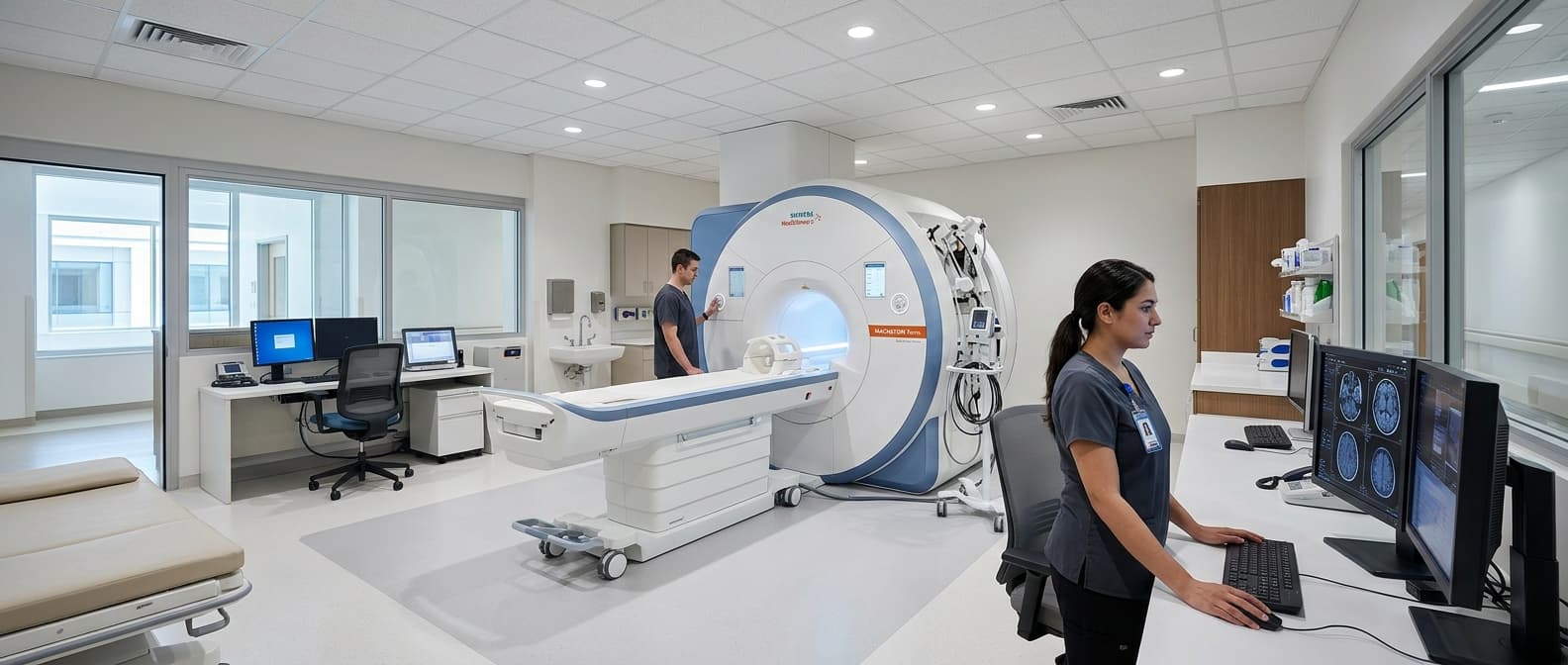
Advances in magnetic resonance imaging technology have made it possible to detect subtle variations in brain tissue that were previously invisible. High-field strength magnets and improved signal-processing algorithms allow for more precise measurements of cortical thickness and surface area. These technical improvements are vital for the replication of the Feinstein Institutes' findings across different clinical sites and scanner models. The hardware industry is currently focused on making these high-precision machines more accessible to smaller regional clinics.
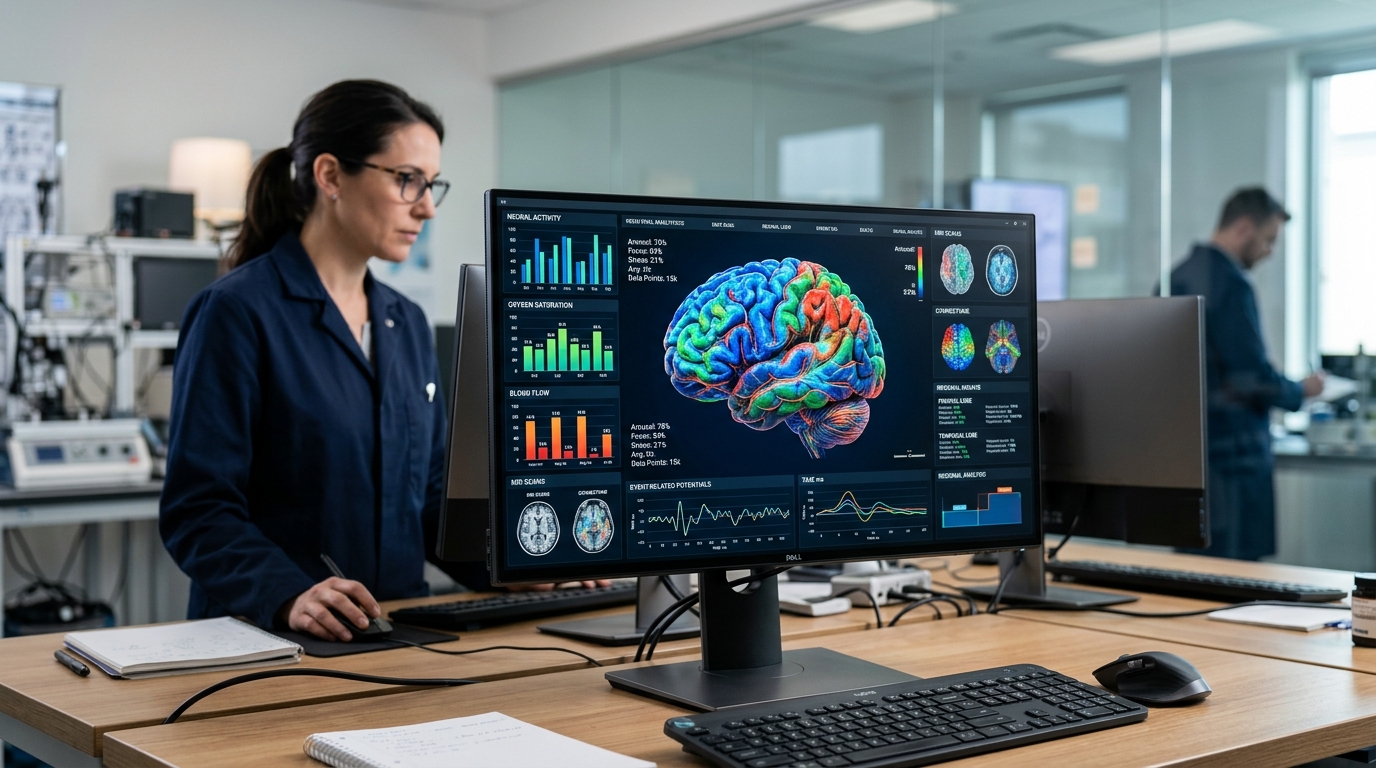
Software developers are creating automated pipelines to process large volumes of neuroimaging data with minimal human intervention. These tools use pattern recognition to identify the specific structural markers associated with impulsivity in a matter of minutes. This automation is necessary to scale the research findings into a tool usable by general practitioners who may lack specialized neuro-radiology training. TechUK has highlighted the importance of standardized data formats to ensure these software tools can operate across different healthcare platforms.
The reliability of these automated systems is a primary focus for regulatory bodies tasked with ensuring patient safety. Ensuring that measurements are consistent across different scanner manufacturers remains a major hurdle for widespread adoption in the medical field. Industry standards organizations are currently drafting guidelines for the use of neuroanatomical markers in clinical diagnostics to prevent errors. These standards will be essential for gaining the trust of both medical professionals and the general public.
Cloud computing also plays a vital role in the analysis of these massive neuroimaging datasets. By utilizing remote processing power, researchers can run complex simulations that would be impossible on local hardware. This collaborative approach allows scientists from around the world to contribute to the refinement of predictive models. As data sharing becomes more common, the accuracy of these structural predictions is expected to improve even further.
Ethical Considerations and Future Research Directions
The ability to predict behavioral traits from brain structure raises important ethical questions regarding privacy and potential stigmatization. Critics worry that labeling a child as impulsive based on a brain scan could lead to negative social outcomes or bias in educational settings. Bioethicists are calling for clear regulations on how this data is stored and utilized by educational and legal systems. Protecting the privacy of young participants is a top priority for the researchers involved in the ABCD study.
Future research will likely focus on whether these structural markers change in response to environmental factors or therapeutic interventions. Longitudinal studies are necessary to determine if the identified brain patterns are permanent or if they exhibit significant plasticity. Researchers hope to find that targeted cognitive training can alter the physical structures associated with poor self-control. This would provide a non-pharmacological path for improving behavioral outcomes in at-risk youth.
Collaborations between academic institutions and the private sector are accelerating the pace of discovery in the field of neurobiology. Joint ventures are being formed to translate laboratory findings into commercial diagnostic products that can be used in real-world settings. These partnerships often involve sharing large datasets to improve the accuracy of predictive models through machine learning. The goal is to create a reliable system that can be integrated into the existing medical infrastructure.
Finally, the role of genetics in shaping brain structure is another area that warrants further investigation. Scientists are curious about how specific gene expressions influence the development of the prefrontal cortex. Understanding the interplay between nature and nurture will provide a more complete picture of adolescent development. This multidimensional approach is essential for creating effective and personalized treatment plans for young people facing behavioral challenges.
The research from the Feinstein Institutes provides a new lens through which to view adolescent development and behavioral health. By grounding psychological traits in physical brain structure, the study paves the way for more objective and early interventions. As technology continues to improve, the integration of neuroimaging into standard medical practice seems increasingly likely. This evolution promises to improve outcomes for young people while offering new opportunities for the healthcare and technology sectors to collaborate on vital public health goals.
⭐
Business Spotlight
This article is a premium Business Spotlight feature — an in-depth profile with priority homepage placement. Contact us to be featured.
Stay Ahead of the News
Get the latest business news and company spotlights delivered to your inbox. No spam, unsubscribe any time.