Global economic indicators show complex trends impacting business operations and consumer behaviour.
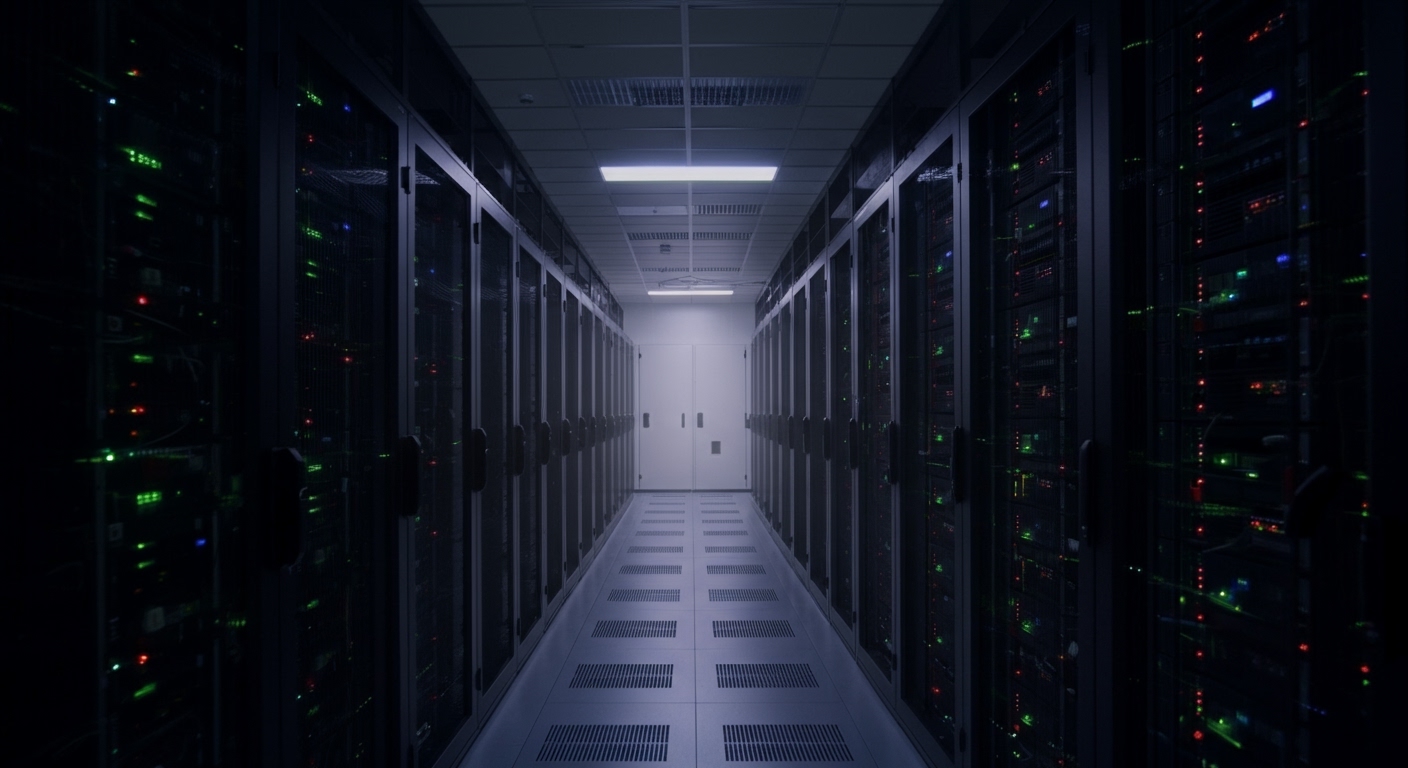
Digital transformation, powered by AI and cloud computing, continues to redefine industry standards and productivity.
Sustainability and ESG factors are increasingly central to corporate strategy and investment decisions.
The global business landscape remains a dynamic arena, constantly shaped by macroeconomic forces, technological advancements, and shifting societal expectations. Understanding these multifaceted developments is paramount for organisations aiming to maintain relevance and achieve sustainable growth. This spotlight examines the critical elements currently influencing the business world, from economic performance to ethical governance.
Economic Currents and Market Outlook
Global economic indicators continue to signal a complex period for businesses worldwide. Inflationary pressures, though moderating in some regions, still influence consumer spending and operational costs for many companies. Central banks' interest rate decisions are closely watched, impacting borrowing costs and investment strategies.
Recent data from the Office for National Statistics indicates fluctuating GDP growth across major economies, suggesting an uneven recovery post-pandemic. Businesses are adapting to these variable conditions by refining supply chains and optimising resource allocation. Market sentiment, often influenced by geopolitical events, remains cautious yet resilient.
Consumer confidence reports, such as those published by the GfK, show a mixed picture, affecting retail performance and service sector demand. Businesses reliant on discretionary spending are particularly sensitive to these shifts in consumer behaviour. Wage growth and employment figures also play a significant role in shaping economic forecasts.
Business investment decisions are being made against a backdrop of economic uncertainty and regulatory changes. Companies are prioritising projects that offer clear returns or enhance operational efficiency. This strategic caution is evident across various industries, from manufacturing to financial services.
"In an era defined by rapid change, staying attuned to the nuances of business news isn't merely beneficial; it's fundamental to strategic planning and competitive advantage."
— Dr. Eleanor Vance, Chief Economist at Global Insights Group
Business Environment Navigates Economic Shifts and Tech Evolution
Digital Transformation and Emerging Technologies
The relentless pace of digital transformation continues to reshape industries, driving demand for new skills and infrastructure. Artificial intelligence (AI) and automation are no longer future concepts but integral components of modern business operations. Their adoption promises enhanced productivity and efficiency across diverse sectors.
Cloud computing platforms underpin much of this digital shift, offering scalability and flexibility for businesses of all sizes. Companies are increasingly migrating core systems to cloud environments to support remote work and data analytics initiatives. This transition requires significant investment in IT infrastructure and personnel training.
Cybersecurity remains a paramount concern as businesses become more digitally interconnected. High-profile data breaches underscore the need for robust protective measures and continuous vigilance. Organisations are dedicating substantial resources to safeguarding sensitive information and maintaining operational integrity.
The digital skills gap presents a persistent challenge for many organisations seeking to capitalise on technological advancements. Industry bodies like TechUK frequently highlight the need for greater investment in digital education and upskilling programs. Bridging this gap is essential for sustained growth and competitiveness.
Sustainability and Ethical Business Practices
Environmental, Social, and Governance (ESG) factors are increasingly central to investment decisions and corporate strategy. Businesses face mounting pressure from consumers, investors, and regulators to demonstrate genuine commitment to sustainability. This includes reducing carbon footprints and promoting ethical supply chains.
Climate change considerations are influencing product development, operational processes, and long-term strategic planning. Many corporations are setting ambitious net-zero targets and investing in renewable energy sources. This shift is creating new market opportunities and business models. The Confederation of British Industry (CBI) reports a growing focus on green initiatives.
Consumer preference for ethically sourced and environmentally responsible products is growing significantly. Companies that transparently communicate their sustainability efforts often gain a competitive edge. This trend is compelling businesses to re-evaluate their entire value chain.
Regulatory frameworks surrounding sustainability are evolving rapidly, particularly in areas such as plastics reduction and carbon reporting. Compliance with these new standards is becoming a significant operational and financial consideration for businesses across all industries.
Global Trade Dynamics and Geopolitical Shifts
Global trade patterns are continuously influenced by shifting geopolitical alliances and evolving international agreements. Tariffs, trade disputes, and sanctions can significantly impact supply chains and market access for businesses operating internationally. Companies must monitor these developments closely.
Recent events have highlighted the fragility of global supply chains, prompting many businesses to reconsider their sourcing strategies. Diversification of suppliers and nearshoring are becoming more common approaches to mitigate future disruptions. Resilient supply networks are now a strategic priority.
Geopolitical tensions, including regional conflicts and political instability, pose direct and indirect risks to international commerce. These events can affect commodity prices, shipping routes, and investor confidence. Businesses with global operations must develop robust risk management frameworks.
Organisations like the World Economic Forum frequently discuss the need for international cooperation to address these complex challenges. Understanding the interplay between politics and economics is vital for businesses seeking to expand or maintain their international presence.
The current business environment is characterised by rapid economic shifts, technological acceleration, and a heightened focus on global responsibility. For businesses to thrive, a deep understanding of these intertwined forces is indispensable. Staying informed about breaking news and long-term trends allows leaders to make timely decisions, adapt strategies, and position their organisations for future success in an ever-changing world.
⭐
Business Spotlight
This article is a premium Business Spotlight feature — an in-depth profile with priority homepage placement. Contact us to be featured.
Stay Ahead of the News
Get the latest business news and company spotlights delivered to your inbox. No spam, unsubscribe any time.