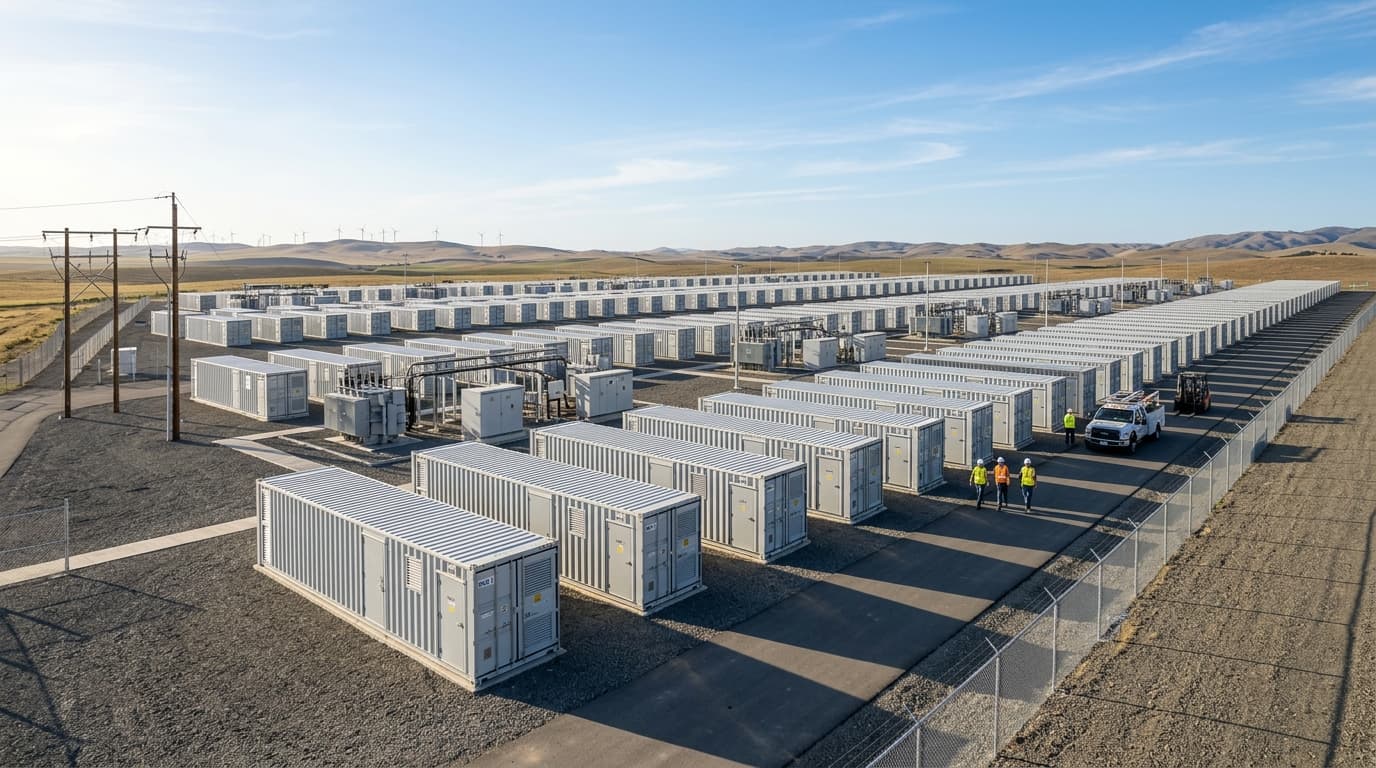
Class action lawsuit alleges Eos Energy provided misleading backlog data.
Legal action focuses on the financial viability of key customer contracts.
Shareholders face significant losses following sharp stock price declines.
Bronstein, Gewirtz & Grossman, LLC recently announced the filing of a class action lawsuit against Eos Energy Enterprises, Inc., seeking damages for alleged violations of federal securities laws. The legal action focuses on claims that the energy storage firm provided misleading information to the public regarding its commercial backlog and the financial health of its primary customers. Investors who purchased Eos common stock during the specified period are encouraged to contact the firm to discuss their legal rights before the upcoming court deadline.
Allegations of Misleading Backlog Figures
The litigation centers on the accuracy of Eos Energy's reported order backlog, which serves as a primary metric for future revenue growth. Plaintiffs allege that the company overstated the viability of its contracts with key partners, including Bridgelink Commodities, LLC. The complaint suggests that a significant portion of the reported backlog lacked the financial backing necessary for completion.
Market analysts often look to these figures to determine the long-term stability of renewable energy manufacturers. When reports surfaced questioning the credibility of Eos's primary customer, the company's stock price experienced a sharp decline. This volatility caused significant financial losses for shareholders who relied on the public statements issued by corporate leadership.
The legal filing contends that Eos failed to disclose that its backlog was largely comprised of questionable agreements. These arrangements reportedly involved entities that did not have the capital to fulfill their contractual obligations. Consequently, the firm's projected growth path appeared far more stable than the underlying reality of its order book suggested.
Investors are now examining the role of Bronstein, Gewirtz & Grossman LLC in seeking restitution for these alleged transparency failures. The firm has a history of representing shareholders in complex securities litigation against publicly traded entities. This specific case highlights the risks associated with the rapidly expanding green energy sector and its reporting standards.
"The integrity of public financial reporting is the bedrock of investor confidence in the renewable energy market. When companies provide inaccurate data regarding their commercial pipelines, they undermine the stability of the entire sector."
— Marcus Thorne, Senior Analyst at the Capital Markets Institute
Bronstein, Gewirtz & Grossman Files Suit Against Eos Energy
Market Reaction and Financial Consequences
Following the publication of investigative reports regarding the Eos customer base, the company's valuation suffered a measurable contraction. Data from the Nasdaq exchange showed a double-digit percentage drop in share price within a single trading session. This sudden shift caught many retail and institutional investors off guard, leading to the current legal challenge.
Statistical analysis from the Office for National Statistics (ONS) indicates that volatility in the clean energy sector has increased by 14% over the last fiscal year. Such fluctuations often stem from discrepancies between projected capacity and actual deployment. Eos Energy's situation serves as a case study for the difficulties in auditing backlog quality in emerging technology markets.
The lawsuit argues that the company's executive team knew, or should have known, that the backlog was inflated. By maintaining these figures in public filings, the company allegedly induced investors to purchase shares at artificially high prices. Legal experts suggest that the discovery phase of this trial will focus on internal communications regarding customer due diligence.
Financial observers note that the Securities and Exchange Commission maintains strict guidelines for how companies must report future business prospects. Failure to adhere to these transparency requirements can lead to both private litigation and federal oversight. The outcome of this class action could set a precedent for how other battery technology firms document their sales pipelines.
Regulatory Scrutiny in the Battery Storage Sector
The energy storage industry has faced mounting pressure to provide clearer operational data to the public. Industry bodies like TechUK have previously called for standardized reporting metrics to prevent the type of confusion seen in the Eos Energy case. Without these standards, companies may use different criteria to define what constitutes a firm order or a letter of intent.
Recent reports suggest that the total addressable market for long-duration energy storage will reach significant heights by 2030. This massive potential attracts significant capital, but it also creates an environment where companies might feel pressured to show rapid growth. The Eos litigation highlights the tension between aggressive marketing and conservative financial reporting.
Legal filings indicate that Eos Energy's Znyth battery technology was marketed as a superior alternative to lithium-ion systems. However, the lawsuit claims the company struggled with manufacturing efficiencies that were not fully disclosed to the public. These technical hurdles, combined with the backlog issues, allegedly created a distorted view of the firm's operational readiness.
The British Chambers of Commerce (BCC) has noted that investor protection remains a top priority for maintaining healthy capital flows into infrastructure projects. When a company faces a class action of this scale, it often leads to changes in corporate governance. Eos may be required to overhaul its internal auditing processes to regain the trust of the investment community.
Future Implications for Renewable Energy Investment
The resolution of this case will likely influence how venture capital and private equity firms approach the battery storage market. If the court finds that Eos Energy intentionally misled the public, it could result in a significant settlement for the affected shareholders. Such a result would also serve as a warning to other firms in the green technology space.
Market participants are currently monitoring the legal proceedings for any signs of broader systemic issues in energy tech reporting. Some analysts believe that the current regulatory framework lacks the specificity needed to police complex technology contracts. As a result, more firms may face similar litigation if their growth targets fail to materialize as promised.
Despite the legal challenges, the underlying demand for energy storage solutions continues to grow globally. The transition to renewable power sources requires massive investment in grid-scale battery systems. However, this growth must be supported by transparent financial disclosures to ensure long-term sustainability for both companies and their backers.
Investors who believe they have suffered losses are currently being vetted for lead plaintiff status in the class action. This role involves representing the interests of all affected shareholders throughout the litigation process. The deadline for filing these motions is approaching, making this a critical period for those involved in Eos Energy stock.
The class action against Eos Energy Enterprises represents a significant moment of accountability within the renewable energy sector. As the legal process moves forward, the focus will remain on the accuracy of corporate disclosures and the protection of investor interests. Whether through a settlement or a court verdict, the outcome will provide essential clarity for the market. Stakeholders must now wait for the legal system to determine the validity of the claims and the extent of the damages.
⭐
Business Spotlight
This article is a premium Business Spotlight feature — an in-depth profile with priority homepage placement. Contact us to be featured.
Stay Ahead of the News
Get the latest business news and company spotlights delivered to your inbox. No spam, unsubscribe any time.