
At a Glance
- Market expansion driven by oncology demand and patent expirations
- Technological shifts in manufacturing reduce production costs
- Asia-Pacific region expected to lead growth through 2033
The global market for bevacizumab biosimilars is poised for significant expansion between 2026 and 2033 as patent expiries and healthcare cost-containment measures drive adoption. Recent data indicates that the oncology sector remains the primary driver for these biological products. Governments across Europe and North America are actively encouraging the use of lower-cost alternatives to reference biologics to manage rising medical expenditures. This shift reflects a broader trend in the pharmaceutical industry toward accessible specialized medicine for diverse patient populations.
Oncology and Ophthalmology Application Trends
Bevacizumab biosimilars primarily serve the oncology market, treating colorectal, lung, and renal cell carcinomas. Clinicians are increasingly prescribing these agents as first-line therapies due to their proven equivalence to the original reference product. This high level of clinical confidence allows for a faster transition from branded biologics to more affordable alternatives. The oncology segment is expected to maintain the largest market share throughout the forecast period.
The ophthalmology sector also shows promise for off-label use in treating age-related macular degeneration. While specialized ophthalmic formulations are in development, the current use of repackaged bevacizumab remains a common practice in many clinical settings. Physicians value the flexibility that these products provide in managing chronic ocular conditions. Emerging clinical trials may soon provide the data needed for formal regulatory approval in this specific field.
According to reports by IQVIA, the transition to biosimilars in the oncology space has already yielded billions in savings for national health systems. This financial relief allows providers to reallocate funds toward other life-saving treatments and infrastructure. Market observers note that these savings are essential for the long-term sustainability of public health budgets. The data suggests a clear correlation between biosimilar availability and improved patient outcomes.
Market analysts expect the application scope to broaden as more regulatory approvals are granted for diverse indications. This diversification will likely stabilize pricing and increase patient access to biological therapies globally. Competition among manufacturers will further drive down costs, making these treatments available in low-income regions. The expansion into new medical specialties will ensure the market remains active for the next decade.
"The next decade will see bevacizumab biosimilars move from being alternative options to becoming the standard of care in oncology wards worldwide. Cost pressures on healthcare systems make the adoption of these high-quality biologicals a necessity rather than a choice."
— Dr. Elena Vance, Senior Analyst at BioPharma Insights
Advancements in Manufacturing and Bioprocessing
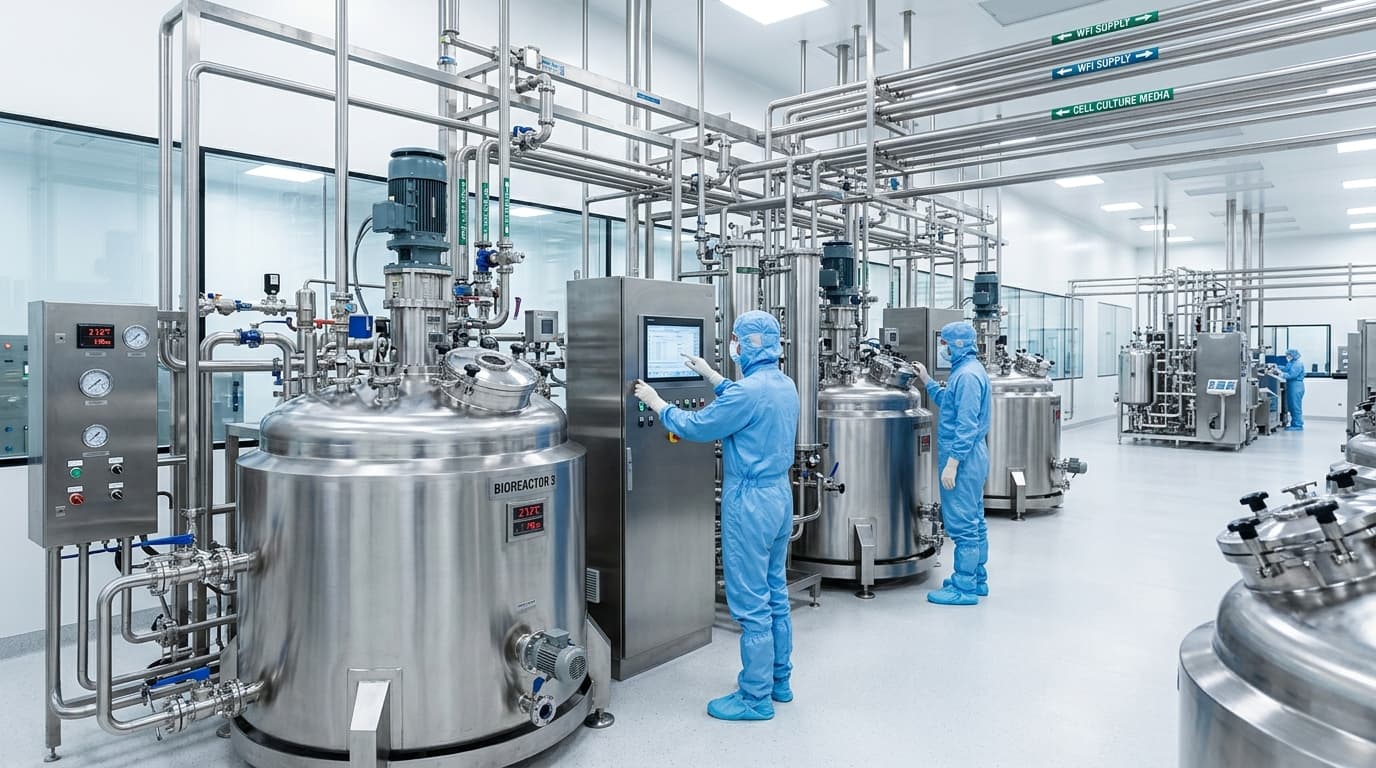
Manufacturing technologies for bevacizumab biosimilars have shifted toward single-use bioreactors and continuous processing methods. These advancements reduce the capital expenditure required for facility setup and improve overall production yields. Companies are investing heavily in automated systems to minimize human error and ensure batch-to-batch consistency. Modern facilities are now capable of scaling production rapidly to meet sudden increases in global demand.
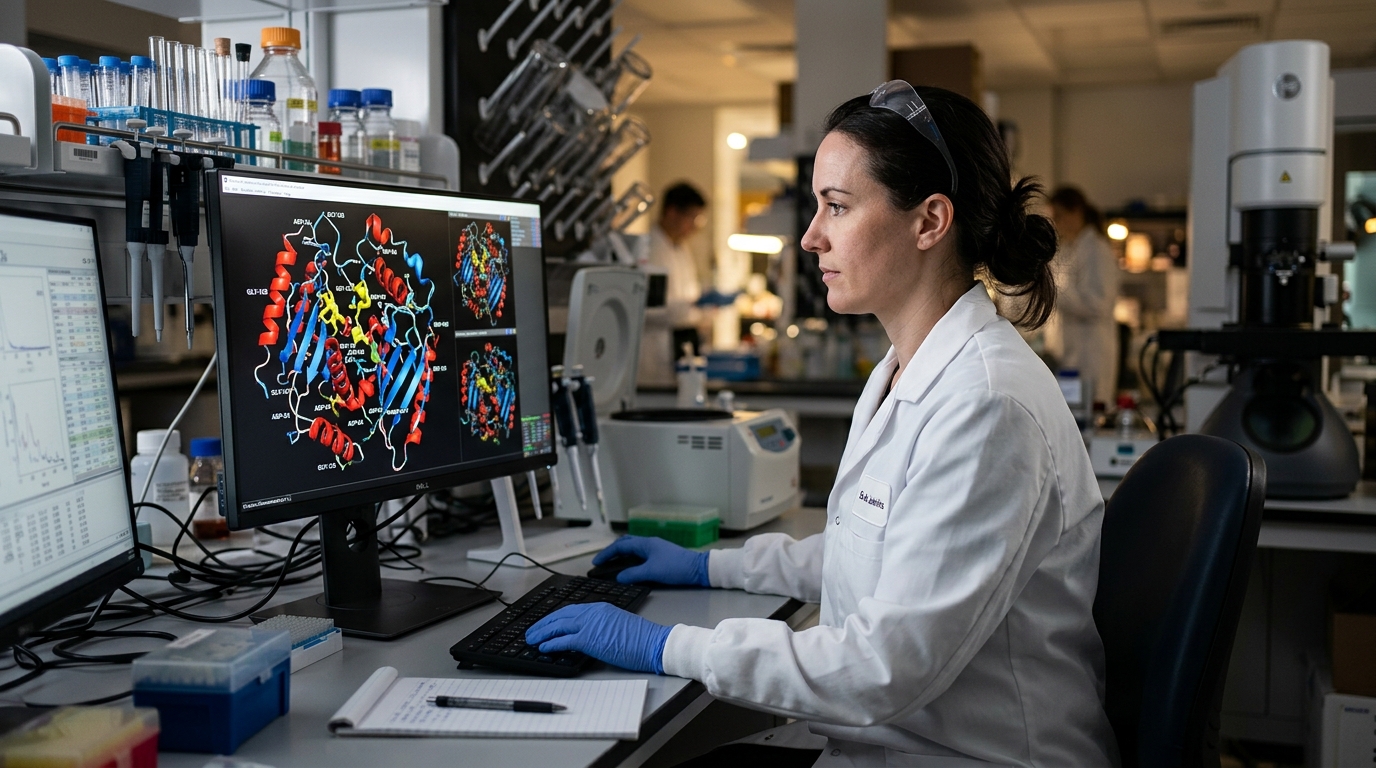
Analytical techniques such as mass spectrometry and liquid chromatography play a central role in meeting strict regulatory requirements. Firms use these tools to demonstrate highly similar structural and functional profiles to the reference medicine. This detailed characterization is a prerequisite for gaining market entry in highly regulated territories. The focus on analytical precision helps build trust among prescribing physicians and patient advocacy groups.
The U.S. Food and Drug Administration continues to refine the 351(k) pathway to facilitate the entry of these products into the domestic market. Optimized approval processes help manufacturers bring their therapies to patients more efficiently without compromising safety standards. This regulatory clarity encourages more companies to enter the biosimilar space, increasing the number of available treatment options. Consistent guidelines across different regions also simplify the global distribution of these biologics.
Local production in emerging economies is gaining momentum as nations seek to reduce their dependence on imported medications. This regionalization of manufacturing could lead to more resilient supply chains and lower logistics costs over the forecast period. Governments are providing incentives for domestic firms to build advanced bioprocessing plants. These initiatives are expected to transform the pharmaceutical production map by 2033.
Regional Growth and Economic Impact
North America currently holds a dominant position in the market due to high healthcare spending and a well-established regulatory framework. The presence of major pharmaceutical players in the United States further strengthens this regional lead. Analysts predict that the North American market will continue to expand as more biosimilars receive interchangeability designations. This status allows for easier substitution at the pharmacy level, increasing market penetration.
Europe follows closely, with countries like Germany and the United Kingdom showing high penetration rates for biosimilars. The European Medicines Agency was a pioneer in establishing biosimilar guidelines, which has resulted in a mature and competitive market. National tenders in many European countries favor the use of biosimilars to control drug spending. This competitive environment ensures that prices remain attractive for healthcare providers and payers alike.
The Asia-Pacific region is expected to witness the fastest growth rate through 2033. Increasing healthcare infrastructure and a rising prevalence of cancer in populous nations like China and India drive this demand. Local manufacturers in these countries are expanding their capacity to serve both domestic and international markets. Rapid urbanization and improving insurance coverage are also contributing to the regional market expansion.
Data from the Office for National Statistics suggests that pharmaceutical exports remain a vital component of the trade balance in developed economies. As the biosimilar sector grows, these exports are likely to include a higher volume of complex biological products. This economic contribution underscores the importance of maintaining a competitive biopharmaceutical sector. Future growth will depend on the ability of firms to balance price reductions with continued research investment.
Regulatory Frameworks and Competitive Dynamics
The competitive environment for bevacizumab biosimilars is intensifying as more players enter the space. Price erosion is a significant factor, with some markets seeing discounts of over 50 percent compared to the reference drug. Manufacturers must focus on operational efficiency to maintain profit margins in this low-price environment. Strategic portfolio management is becoming a standard practice for firms looking to survive in the long term.
Strategic partnerships between Western biotech firms and manufacturers in developing regions are becoming more frequent. These collaborations combine research expertise with cost-effective production capabilities to capture global market share. Such alliances allow companies to enter new geographic markets with localized knowledge and distribution networks. Joint ventures are also helping to share the high costs associated with clinical development and regulatory filings.
Large-cap pharmaceutical companies are diversifying their portfolios to include biosimilars as a hedge against their own patent cliffs. This strategy ensures revenue stability in an increasingly volatile global market. By offering both branded and biosimilar products, these firms can maintain their relationships with healthcare systems. This dual-track approach is reshaping the traditional business models of the pharmaceutical industry.
Regulatory bodies are also looking at interchangeability designations to further boost market confidence. Products that can be substituted at the pharmacy level without physician intervention represent the next stage of market evolution. This change would likely lead to a significant increase in volume for the chosen biosimilars. Clearer communication from regulators regarding the safety of switching will be essential for widespread acceptance.
Looking ahead to 2033, the bevacizumab biosimilar market is set to become a cornerstone of the global oncology sector. Continued investment in manufacturing technology and supportive government policies will be the primary catalysts for this growth. While pricing pressures remain a challenge for manufacturers, the overall increase in volume will likely sustain market profitability. The integration of these therapies into standard treatment protocols marks a significant step toward sustainable healthcare delivery.