
At a Glance
- Industrial demand for ceramics and refractories drives global market expansion.
- Asia-Pacific maintains dominance due to rapid urbanization and infrastructure growth.
- Major suppliers focus on capacity expansion and mineral purity to meet tech standards.
The global zircon sand market is entering a phase of steady expansion, with projections indicating significant growth through 2032. This trend is primarily fueled by the increasing utilization of zircon in the ceramics industry and high-end refractory applications. As industrial sectors prioritize materials with high thermal stability and chemical resistance, suppliers are adjusting their production strategies to meet evolving specifications. Market analysts point to rising infrastructure projects in developing economies as a primary catalyst for this sustained demand.
Industrial Applications and Demand Drivers
The ceramics sector remains the largest consumer of zircon sand, accounting for a substantial portion of global trade volumes. Manufacturers utilize the mineral as an opacifier in tile glazes and sanitaryware production to achieve specific aesthetic and functional properties. The material's ability to withstand extreme temperatures also makes it indispensable for foundry applications and investment casting processes. This versatility ensures that the mineral remains a staple in industrial supply chains.
In the refractory industry, zircon sand provides essential resistance against molten metal and slag. This characteristic is vital for the lining of furnaces and ladles used in steel and glass manufacturing. As heavy industrial output increases globally, the requirement for these high-performance lining materials follows a similar upward trajectory. Producers are currently scaling their operations to match these growing industrial needs.
The chemical industry is also finding new uses for zirconium-based compounds in catalysts and electronic components. These technical applications require high-purity zircon, prompting mining companies like Iluka Resources to optimize their separation and processing techniques. This focus on purity ensures that the mineral meets the strict standards of modern high-tech manufacturing. Advanced processing technologies are now a primary differentiator among top-tier suppliers.
Market participants are also observing a shift toward specialty zircon products. These include micronized zircon used in high-precision dental ceramics and specialized coatings. As consumer electronics become more sophisticated, the demand for zircon-derived materials in screen glass and circuit components continues to rise. This diversification helps insulate the market from fluctuations in any single industrial sector.
"The sustained demand for zircon sand reflects a broader recovery in the global construction and industrial manufacturing sectors, where material performance cannot be compromised."
— Tom O'Leary, Managing Director at Iluka Resources
Regional Growth and Supply Dynamics
Asia-Pacific continues to lead the market in both production and consumption. China, in particular, drives significant volume due to its massive ceramics industry and ongoing urban development initiatives. The region benefits from established supply chains and a dense network of processing facilities that handle raw mineral sands. Local governments are also supporting infrastructure projects that require vast quantities of ceramic tiles and sanitaryware.
North America and Europe are seeing moderate growth linked to the aerospace and automotive sectors. These regions focus on high-value applications where zircon is used in precision casting and advanced ceramic components. Environmental regulations in these territories also influence how companies manage mining operations and waste disposal. Compliance with these standards is becoming a central part of corporate strategy for international firms.
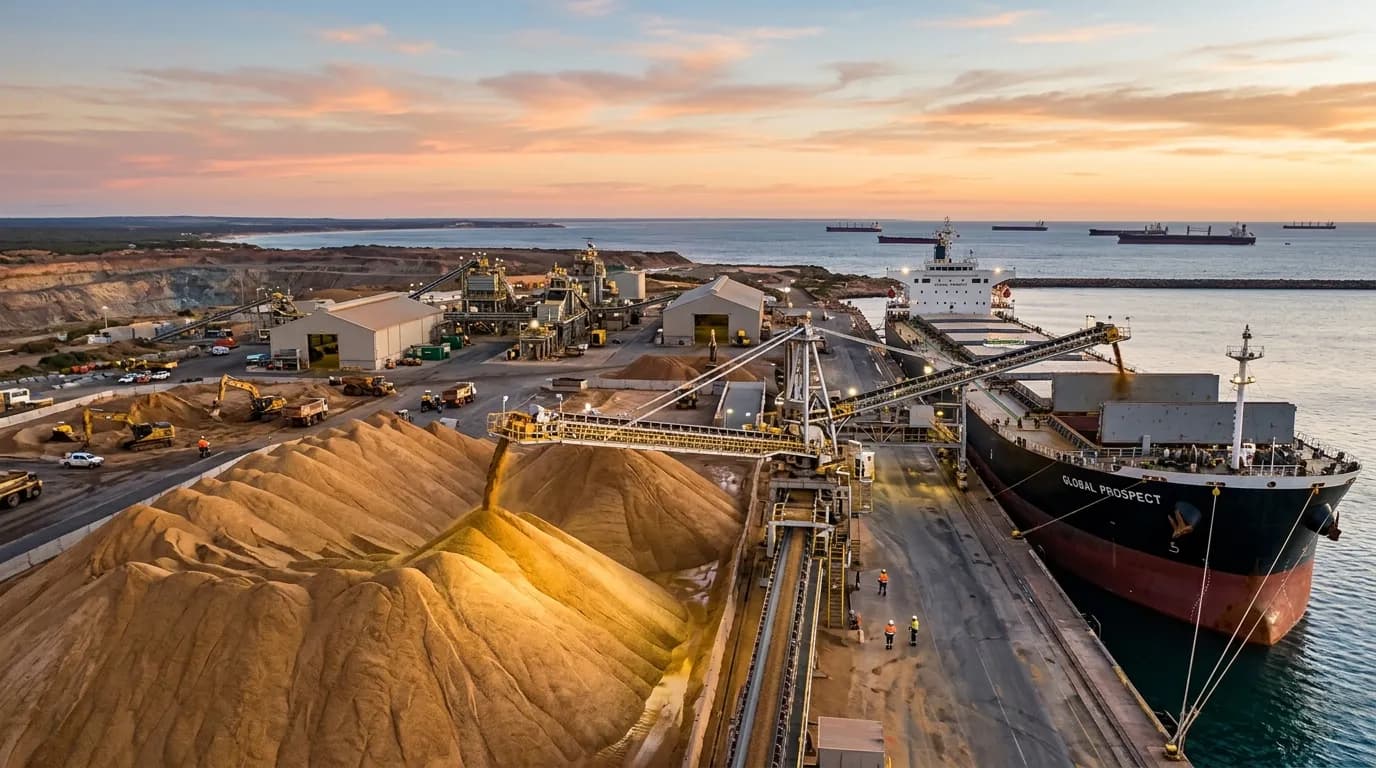
Supply side dynamics are influenced by the depletion of existing reserves and the emergence of new mining projects in Africa and Australia. Companies are investing in exploration to secure long-term feedstock for their processing plants. These investments are necessary to balance the market as older mines reach the end of their productive lifespans. The development of these new sites often requires significant capital expenditure and years of planning.
Technological improvements in mineral separation are allowing companies to extract zircon from lower-grade deposits. This capability extends the life of existing mines and provides a buffer against supply shortages. As the global economy stabilizes, the interaction between these supply factors and industrial demand will dictate price trends. Monitoring these shifts is essential for procurement managers across the globe.
Looking ahead, the zircon sand market is expected to maintain its upward momentum as technological advancements open new doors for zirconium products. While price volatility remains a factor for buyers, the fundamental necessity of the mineral in core industries provides a stable foundation for future trade. Stakeholders will likely focus on sustainable mining practices and supply chain transparency to meet the demands of an increasingly regulated global market. The next decade will define how the industry balances environmental concerns with industrial growth.