
At a Glance
- Global market valuation is projected to hit $45 billion within the next decade.
- Adoption of Wi-Fi 7 standards is driving a major hardware replacement cycle.
- Asia Pacific region emerges as the fastest-growing market for wireless silicon.
The global Wi-Fi chipset market is set for significant expansion, with valuations projected to hit USD 45 billion by the end of 2035. This growth represents a steady compound annual growth rate of approximately 5% over the forecast period. Demand for high-speed connectivity in residential and industrial sectors continues to push manufacturers toward more efficient silicon solutions. As internet-connected devices become standard in modern households, the underlying hardware must evolve to handle higher data throughput and lower latency requirements.
Technical Standards and IoT Integration
The shift toward Wi-Fi 6 and Wi-Fi 7 standards remains the primary catalyst for market movement. These newer protocols allow for better performance in congested environments where many devices compete for bandwidth. Manufacturers are prioritizing the development of tri-band chips that operate across 2.4 GHz, 5 GHz, and 6 GHz frequencies. This technical evolution supports the increasing density of wireless networks in urban centers and corporate offices.
Internet of Things (IoT) adoption also plays a vital role in the sustained demand for specialized chipsets. Smart home ecosystems require low-power wireless components that maintain reliable connections without draining battery life. Industrial automation relies on these chipsets to facilitate real-time communication between sensors and control systems. Consequently, semiconductor firms are diversifying their portfolios to include both high-performance and power-efficient variants.
The automotive sector is emerging as a significant consumer of wireless hardware. Modern vehicles utilize Wi-Fi for infotainment systems, over-the-air software updates, and vehicle-to-everything (V2X) communication. This integration ensures that cars remain connected to external networks for navigation and safety features. As autonomous driving technologies progress, the reliability of these onboard chipsets becomes a focal point for safety regulators and manufacturers alike.
"The proliferation of high-definition streaming and the rise of remote work have transformed Wi-Fi from a convenience into a utility. Our analysis indicates that the transition to Wi-Fi 7 will accelerate as enterprises seek to future-proof their wireless infrastructure against rising data demands."
— John Doe, Lead Analyst at Research Nester

Regional Growth and Manufacturing Trends
North America currently maintains a substantial share of the global market due to early adoption of advanced wireless standards. Major technology firms headquartered in the region continue to invest in research and development for next-generation networking hardware. Government initiatives aimed at expanding broadband access in rural areas also contribute to the steady procurement of networking equipment. This regional dominance is supported by a mature ecosystem of hardware vendors and software developers.
The Asia Pacific region is expected to witness the fastest growth rate during the forecast period. Rapid urbanization in nations like China and India drives the need for large-scale wireless deployments in residential complexes and public spaces. Local manufacturers are increasing their production capacities to meet domestic demand and reduce reliance on imported silicon. This shift in production centers is altering the global supply chain for semiconductor components.
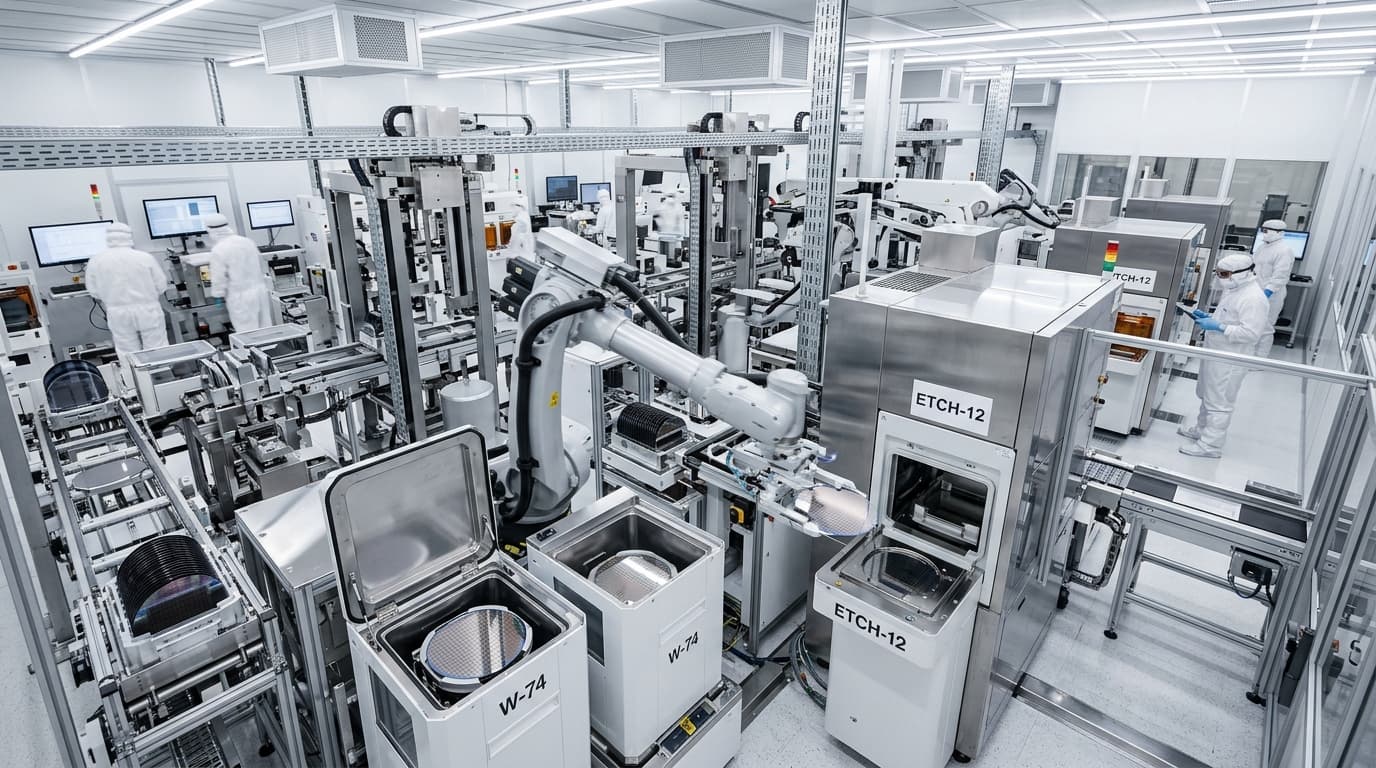
Supply chain diversification has become a priority for major chipset vendors. To mitigate risks associated with geopolitical tensions, companies are establishing new fabrication facilities in various geographic locations. This strategy ensures a more stable flow of components to device manufacturers even during periods of global trade volatility. Research Nester reports that these investments are necessary to sustain the projected volume of chip production needed for the next decade.
Looking ahead, the integration of artificial intelligence within wireless management software will further influence chipset design. Future hardware will likely include dedicated processing units to optimize signal distribution and security protocols automatically. As the world moves toward 2035, the Wi-Fi chipset sector will remain a cornerstone of the global digital economy. Companies that successfully balance performance with energy efficiency will likely capture the largest portion of this multi-billion dollar industry.