
At a Glance
- Global virtual fitness market projected to reach $101.4 billion by 2032.
- Key drivers include technological integration, convenience, and personalization, alongside increasing health awareness.
- Market competition is intense, with continuous investment in new features, immersive content, and strategic partnerships.
- The sector is evolving towards holistic wellness, integrating AI, VR/AR, and advanced analytics for adaptive user experiences.
The global virtual fitness market is undergoing a profound transformation, fundamentally changing how consumers engage with health and wellness routines and disrupting traditional fitness paradigms. Valued at USD 14.9 billion in 2022, projections indicate a remarkable rise to USD 101.4 billion by 2032. This exponential expansion reflects a robust compound annual growth rate (CAGR) of 21.1% from 2023 to 2032, primarily driven by relentless technological progress and shifting consumer preferences. This dynamic sector offers unprecedented accessibility and highly tailored workout options to a global user base, redefining not just fitness, but the entire ecosystem of personal well-being.
The market's ascent is not merely a post-pandemic phenomenon but a long-term trend fueled by a deeper integration of digital solutions into daily life. Virtual fitness platforms are moving beyond simple video streaming to create comprehensive, interactive ecosystems that cater to diverse needs, from high-intensity training to mindfulness and recovery. This evolution positions virtual fitness as a cornerstone of modern preventative health and lifestyle management.
Market Growth and Driving Factors: A Deeper Dive
The significant expansion of the virtual fitness market stems from several interconnected and mutually reinforcing factors. At its core, widespread adoption of smartphones, advanced smart wearables, and ubiquitous high-speed internet has made virtual platforms readily available to billions. This robust technological foundation supports the seamless integration of cutting-edge innovations like virtual reality (VR) and augmented reality (AR), offering increasingly immersive and engaging workout experiences to users. Advanced technology, including the rollout of 5G networks enabling low-latency streaming and real-time interaction, is a core enabler for the market's accelerated trajectory.
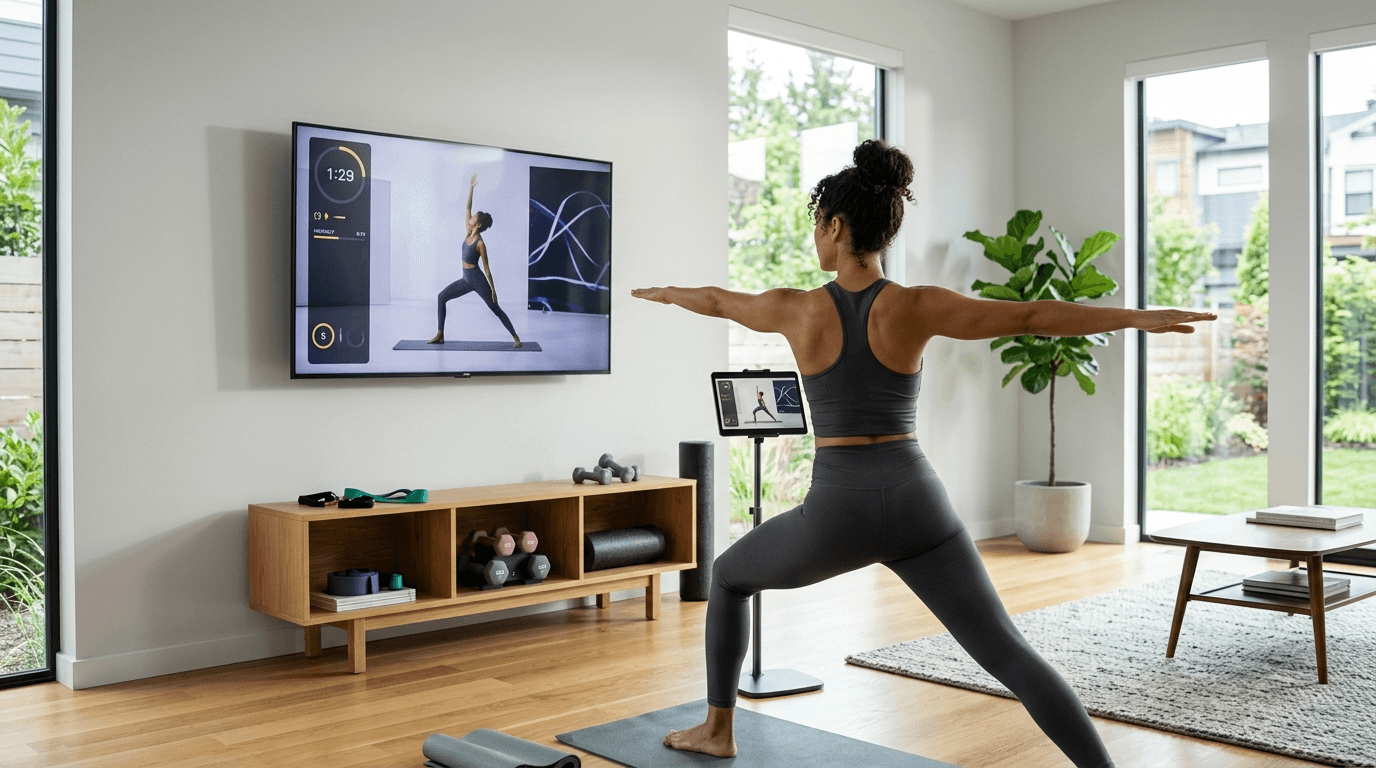
Convenience and flexibility stand out as major attractions for users seeking fitness solutions without the traditional constraints of geographical location or rigid time schedules. This empowers busy professionals, parents juggling multiple responsibilities, and individuals with unpredictable schedules to maintain consistent exercise routines at their complete discretion. The ability to work out anytime, anywhere – whether in a hotel room, a small apartment, or a remote location – has broadened the appeal of virtual offerings significantly. This unparalleled accessibility directly addresses the demands of modern, fast-paced lifestyles, breaking down barriers such as travel time, gym anxiety, or lack of local facilities.
Personalization further enhances user engagement through sophisticated AI-driven algorithms that create highly customized workout plans. These intelligent systems track individual progress, analyze performance data from wearables, and provide real-time feedback, adapting dynamically to specific needs, fitness levels, and preferences. Beyond just exercise, these tailored approaches often integrate recovery recommendations, nutritional guidance, and even mental wellness modules, contributing to improved results, higher user retention rates, and a more holistic approach to health over time. This bespoke experience stands in stark contrast to generic gym classes, fostering a deeper sense of achievement and adherence.
Moreover, virtual fitness subscriptions often present a significantly more affordable alternative to traditional gym memberships or private personal trainers. By eliminating overheads associated with physical locations and leveraging economies of scale, virtual platforms can offer premium content at competitive price points. This cost-effectiveness makes fitness accessible to a wider demographic, effectively reducing financial barriers to participation. The global shift towards at-home alternatives during the COVID-19 pandemic also served as an unprecedented catalyst, accelerating adoption rates dramatically. Many users, having experienced the benefits and convenience, have continued these routines post-pandemic, cementing new habits and demonstrating the long-term viability of the model.
Beyond these, increasing health awareness globally is a crucial underlying driver. As populations become more aware of chronic diseases, the importance of preventative care, and the profound link between physical activity and mental well-being, the demand for accessible and effective fitness solutions grows. Virtual platforms democratize access to expert-led training and comprehensive wellness resources, empowering individuals to take proactive steps towards better health from the comfort of their homes.