The Venice Biennale announces "1922 Revisited" to reconstruct the 13th International Art Exhibition.
The project tracks the post-WWI art market recovery and early 20th-century commerce.
Archival research identifies works from private global collections for a temporary return to Venice.
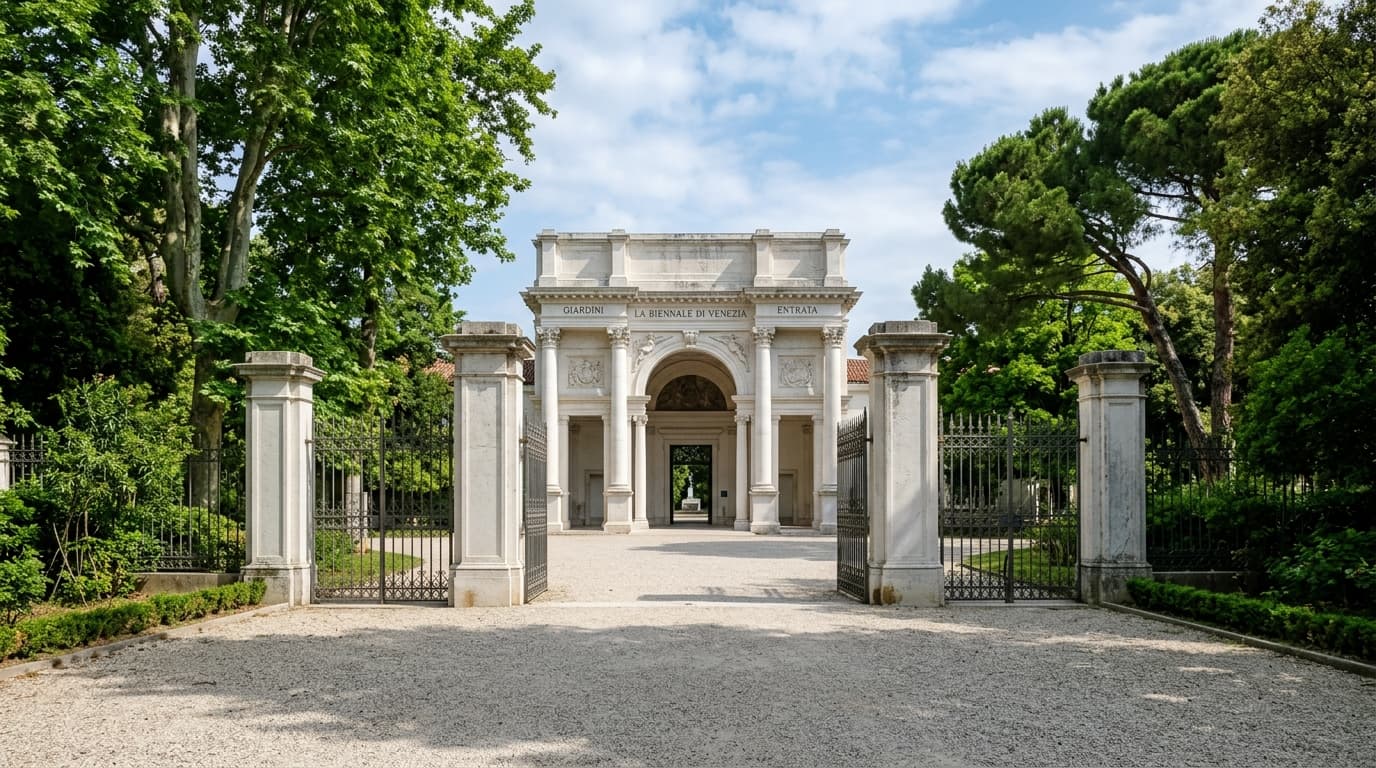
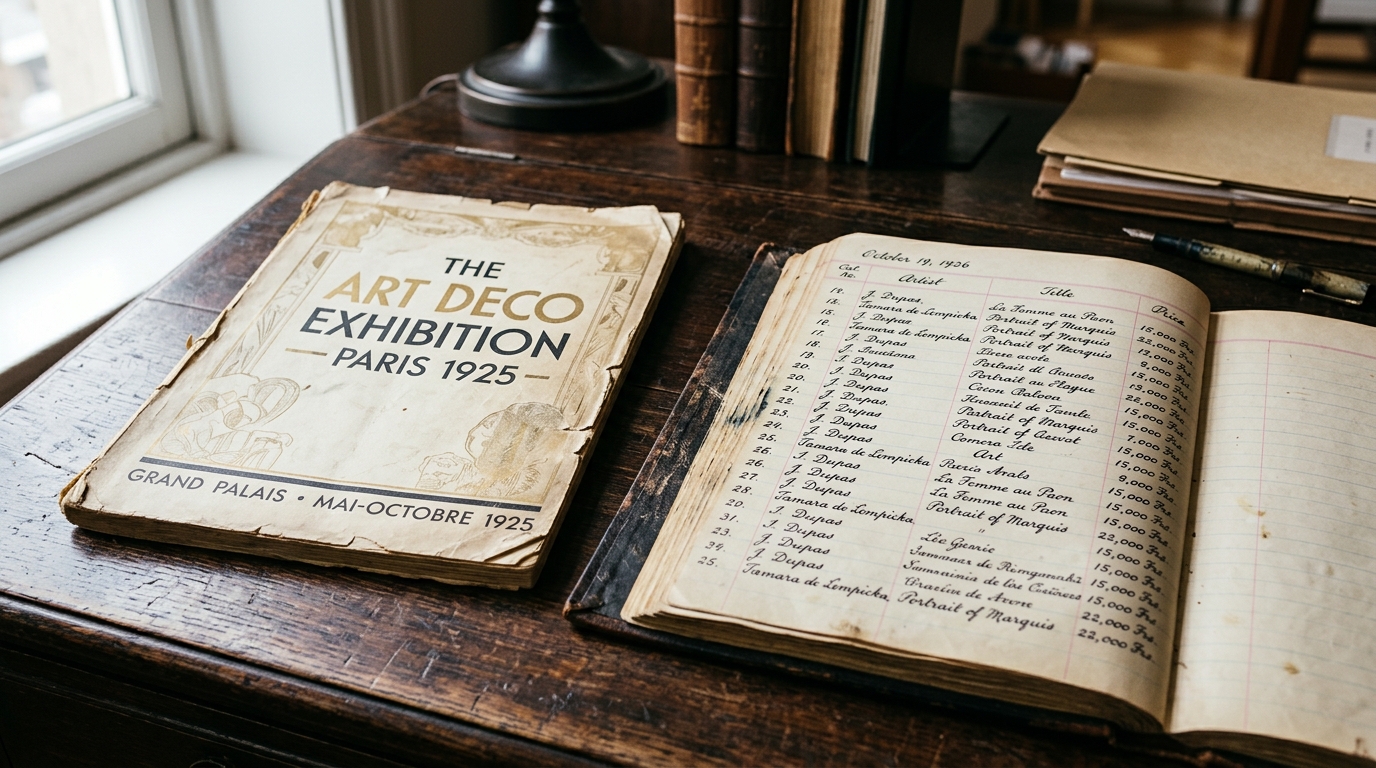
The Venice Biennale has announced the launch of "1922 Revisited," a major retrospective project designed to reconstruct the 13th International Art Exhibition. This initiative examines the specific cultural shifts that occurred during the early twentieth century within the Giardini della Biennale. By revisiting this specific year, organizers aim to highlight how the art market transitioned following the first World War. The project includes the display of archival documents and original artworks that have not been seen together in over a century.
Reconstructing the Post-War Art Market
The 1922 exhibition served as a vital recovery point for European cultural institutions following a period of extreme instability. During this period, the Biennale expanded its reach by incorporating more diverse international perspectives and national pavilions. Collectors and historians view this specific year as the start of the modern era for the institution.
Financial records from the era show a significant increase in private acquisitions during the 13th exhibition. This surge in activity helped stabilize the La Biennale di Venezia after years of wartime disruption and economic uncertainty. The current project tracks these sales to provide a clear picture of early 20th-century art commerce and collector behavior.
Curators have spent three years identifying the exact locations of works sold during the original event. Many of these pieces now reside in private collections or distant museums across the globe. Bringing them back to Venice requires complex logistical coordination and high-value insurance agreements that reflect the current market value of these historical assets.
The research team also uncovered correspondence between artists and the board of directors from 1922. These letters reveal the tensions between traditional styles and the emerging modernist movements of the time. Understanding these internal debates helps explain the shift in the institution's artistic direction over the following decades.
"The 1922 exhibition was a defining moment that established the framework for the modern international art circuit. We are presenting these works to demonstrate the lasting economic and cultural impact of that specific era."
— Dr. Elena Rossi, Lead Curator at the Venice Biennale Archive
Venice Biennale Restages Historic 1922 Exhibition
Architectural and Institutional Evolution
The "1922 Revisited" initiative also focuses on the physical changes made to the permanent pavilions during that decade. Architects redesigned several structures to accommodate larger crowds and more complex installations. These modifications reflected the growing importance of the event as a global commercial hub for the international elite.
Modern visitors will see a digital reconstruction of the original 1922 floor plans alongside the physical exhibits. This comparison highlights how the management of large-scale art events has changed over time to meet modern safety standards. The data suggests that the 1922 event set the initial standard for exhibition design and visitor flow management.
Institutional partners have provided funding to ensure the preservation of the archival materials used in this project. This investment supports the long-term goal of digitizing the entire history of the Biennale for future generations. Such efforts increase the transparency of the organization's historical records for researchers and the general public.
The exhibition also examines the role of the Italian government in supporting the arts during the early 1920s. Public funding played a significant part in the expansion of the Giardini site during this time. Analyzing these financial ties provides a clearer understanding of the relationship between state policy and cultural production during the interwar years.
The "1922 Revisited" project offers a unique look at the intersection of history and the global art trade. It provides a foundation for understanding how previous economic cycles influenced creative output and institutional growth. As the Biennale continues to evolve, these historical insights will inform future curatorial decisions and long-term planning. The exhibition is expected to attract significant international attention and tourism revenue during the upcoming season.
Stay Ahead of the News
Get the latest business news and company spotlights delivered to your inbox. No spam, unsubscribe any time.