

At a Glance
- The US bio-power market is projected for significant expansion through 2036.
- Growth is driven by increasing renewable energy demand and supportive government policies.
- A new report highlights market segments, operational challenges, and future opportunities.
A new market study by Quality Market Insights (QMI) forecasts significant expansion for the US bio-power market between 2026 and 2036. The report, titled "US Bio-Power Market Industry Insights," evaluates the sector's size and competitive dynamics, pointing to strong drivers for future development. This growth is primarily attributed to increasing renewable energy demand and supportive government policies. The analysis provides essential data for stakeholders seeking to understand market trajectories and capitalize on emerging opportunities.
Market Dynamics and Key Growth Drivers
The QMI report identifies several foundational factors propelling the US bio-power market forward. A primary driver is the escalating demand for sustainable energy sources across various industrial and residential sectors. This widespread shift away from conventional fossil fuels is creating an increasingly favorable environment for bio-power adoption. Policymakers and consumers alike are actively seeking cleaner alternatives to traditional energy generation.
Government initiatives and financial incentives also play a pivotal role in fostering market expansion. Policies aimed at promoting renewable energy generation and reducing carbon emissions directly support bio-power projects. These regulatory frameworks provide essential financial backing, such as tax credits and subsidies, and operational encouragement for developers. Such governmental support helps mitigate initial investment risks and encourages broader participation.
Furthermore, continuous technological advancements in biomass conversion are enhancing both efficiency and cost-effectiveness within the industry. Improved methods for direct combustion, gasification, and anaerobic digestion are making bio-power more economically viable for a wider range of applications. These innovations address previous technical hurdles and significantly increase overall energy output from diverse feedstocks. The ongoing evolution of these technologies is critical for achieving widespread adoption and market stability.
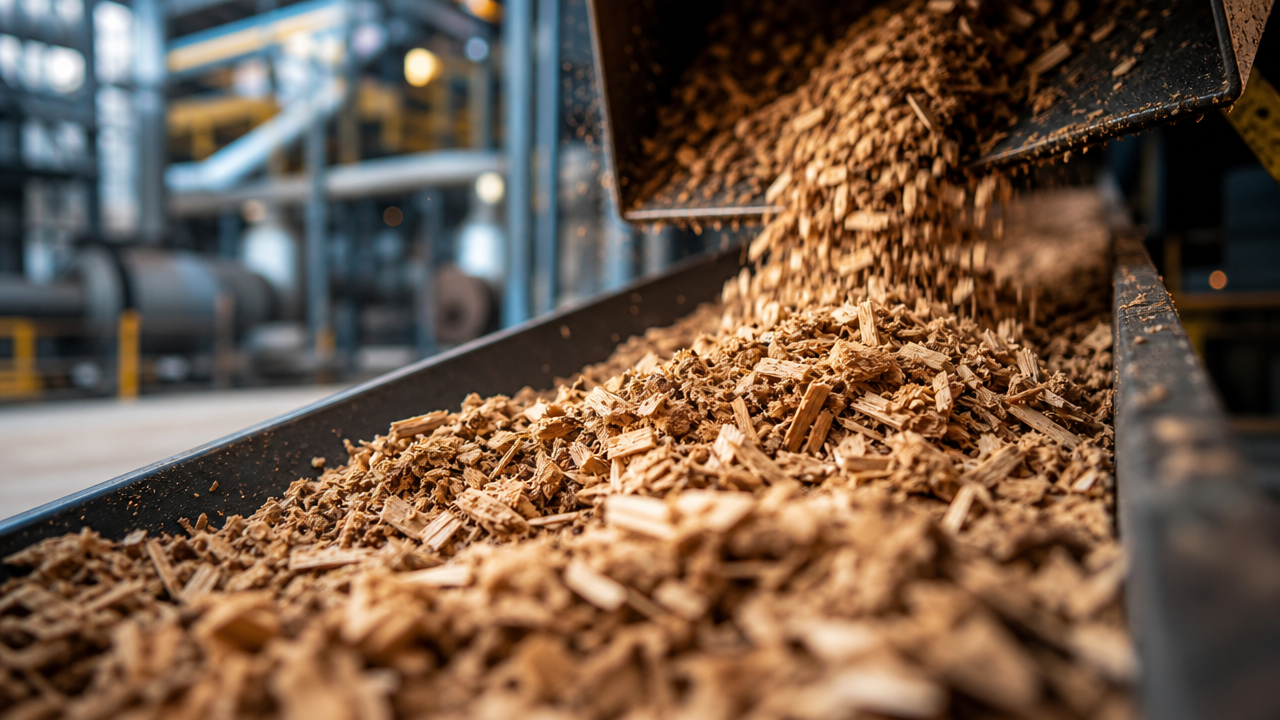
The market is meticulously segmented by biomass type, providing a detailed view of resource utilization. This includes agricultural waste, forest waste, animal waste, and municipal solid waste, each offering distinct opportunities. Key conversion technologies analyzed encompass direct combustion, gasification, anaerobic digestion, and co-firing with other fuels. Applications range broadly from dedicated electricity generation to heat generation and combined heat and power (CHP) systems, demonstrating the sector's versatility in meeting energy needs.
"While the US bio-power market faces hurdles such as high initial investment and biomass supply intermittency, the long-term outlook is positive due to ongoing technological advancements and strong policy support for renewable energy adoption."
— QMI Analyst
Overcoming Challenges and Future Prospects
Despite its inherent growth potential, the US bio-power market is not without its significant difficulties, as highlighted by the QMI study. High upfront capital investment remains a considerable barrier for new project development and facility expansions across the nation. Securing a consistent and cost-effective biomass feedstock supply also presents an ongoing challenge for operators, requiring strong supply chain management. The logistics and sustainability of sourcing these materials are paramount considerations for long-term viability.
Environmental concerns related to land use, potential deforestation, and air emissions from combustion are additional factors requiring careful consideration from industry stakeholders. Sustainable sourcing practices, such as utilizing agricultural residues or controlled forest thinning, and efficient conversion technologies are essential to mitigate these impacts. Addressing these environmental issues is vital for both public acceptance and regulatory compliance, ensuring the industry's social license to operate. Proper waste management strategies are also a key component of responsible bio-power development.
However, the QMI report also highlights numerous compelling opportunities for future development and market penetration within the US bio-power sector. Continued advancements in biomass conversion technologies promise even greater operational efficiency and a reduced environmental footprint for future installations. These improvements can significantly lower operational costs while simultaneously increasing energy yields from a given amount of feedstock. Research and development efforts are ongoing in areas such as pyrolysis and biochemical conversion.
Strategic integration with existing energy infrastructure and the increasing adoption of sustainable industrial practices further underscore the market's long-term potential. As demand for diversified and resilient energy portfolios grows across the country, bio-power can play a complementary role alongside other renewables. This strategic positioning could drive further investment, foster continued innovation, and support broader energy independence goals for the United States. The sector's ability to provide baseload power is a distinct advantage.
The QMI study underscores the complex yet promising trajectory of the US bio-power market through 2036. While investment and biomass supply challenges persist, the sector is well-positioned for substantial expansion, driven by escalating renewable energy mandates and continuous technological progress. Stakeholders are encouraged to consider these dynamic factors when planning future business strategies. The report offers valuable insights into navigating this evolving and increasingly important energy segment.