
At a Glance
- Global market valuation projected to grow at a 7.2% CAGR
- Rising offshore energy projects drive demand for subsea sensors
- North America maintains market lead while Asia-Pacific sees rapid growth
The global underwater monitoring system market is projected to expand from $5.1 billion in 2023 to $7.2 billion by 2028. This growth represents a compound annual growth rate of 7.2% over the five-year period. Rising investments in offshore energy and the modernization of naval defense systems are the primary factors fueling this development. Analysts suggest that the need for real-time data from subsea environments has become a priority for both government agencies and private enterprises worldwide.
Technological Drivers and Component Demand
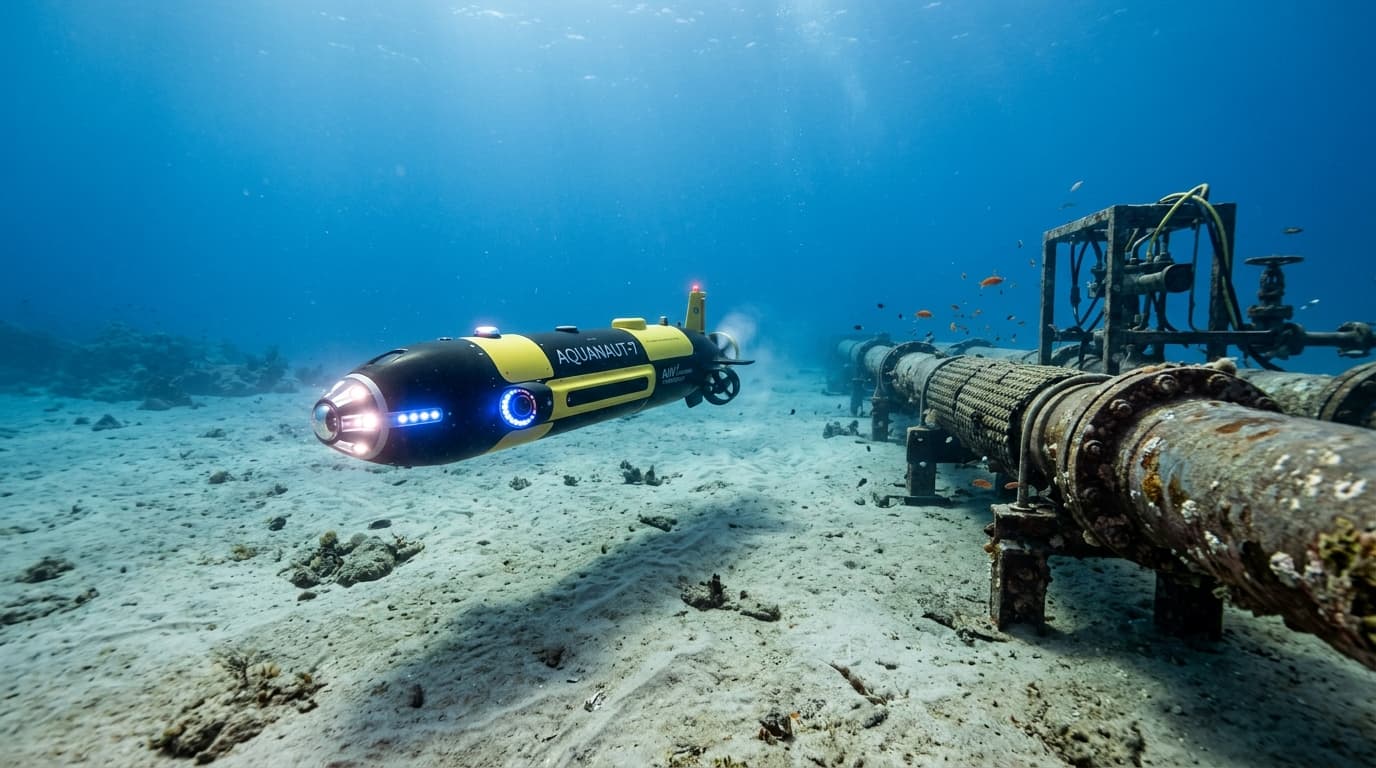
The adoption of autonomous underwater vehicles and remotely operated vehicles is a major catalyst for market expansion. These systems allow operators to perform complex inspections and data collection in deep-sea settings without putting human divers at risk. Integration of high-definition sensors and acoustic modems has improved the reliability of data transmission through the water column.
Oil and gas companies are utilizing these monitoring systems to track the structural integrity of subsea pipelines and production platforms. This proactive approach helps prevent environmental accidents and reduces the long-term costs of infrastructure maintenance. According to MarketsandMarkets, the demand for high-resolution imaging and sonar technology is increasing across the global energy sector.
Acoustic sensors and optical modems represent significant hardware segments within the industry. These components are essential for detecting underwater threats and monitoring biological activity in protected marine zones. Manufacturers are focusing on reducing the power consumption of these devices to extend the operational lifespan of remote monitoring stations.
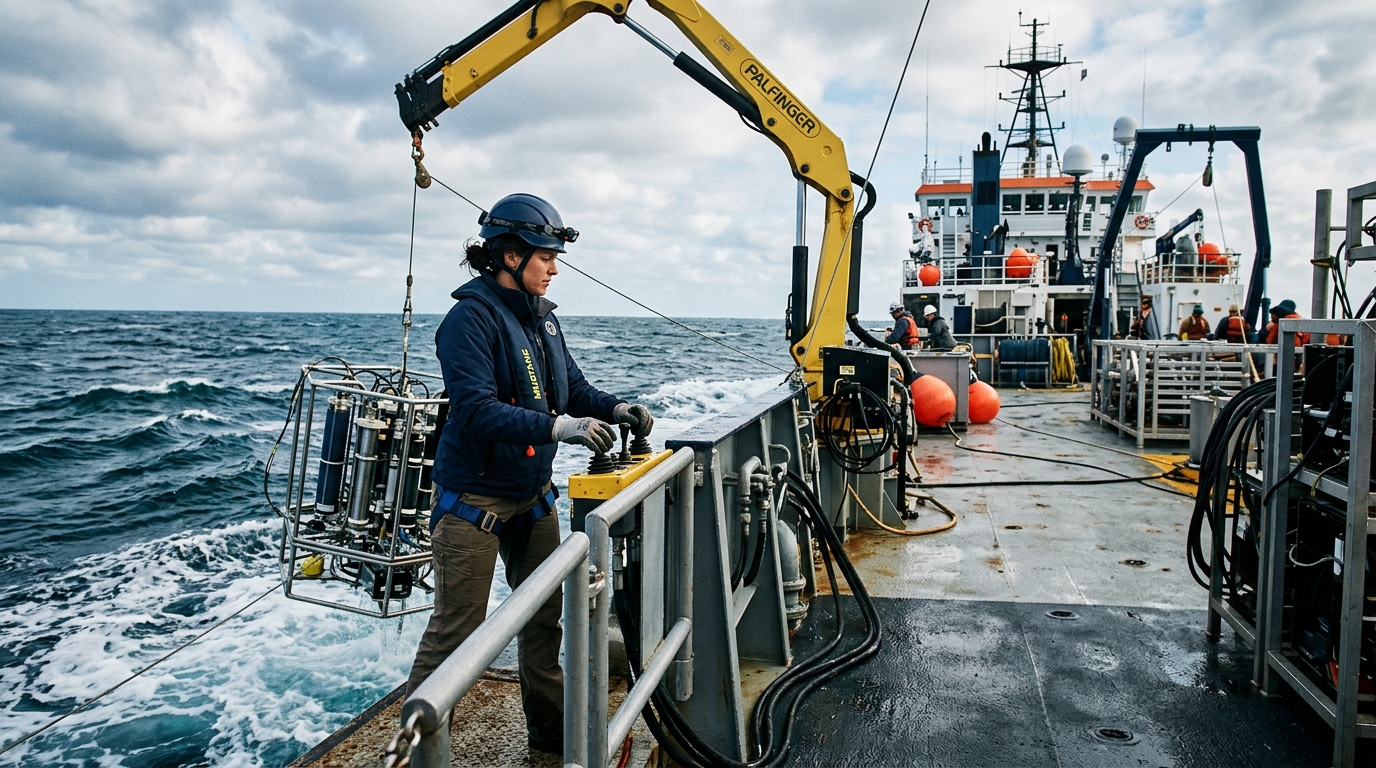
Climate change initiatives are also pushing the demand for specialized environmental monitoring tools. Scientists use these systems to observe ocean acidification, temperature fluctuations, and shifts in biodiversity. The data collected provides a factual foundation for international conservation efforts and environmental regulatory compliance.
"The growth of the underwater monitoring system market is primarily driven by the increasing need for subsea surveillance in the oil and gas industry and the rising demand for maritime security."
— Lead Analyst, MarketsandMarkets
Regional Growth and Market Challenges
North America currently maintains a dominant position in the global market due to high defense spending and established offshore infrastructure. The United States Navy continues to invest in sophisticated surveillance systems to monitor territorial waters and protect critical underwater assets. This regional growth is supported by a strong presence of major technology providers and academic research institutions.
The Asia-Pacific region is expected to witness the highest growth rate during the forecast period. Rapid industrialization and the expansion of maritime trade routes in countries like China and India are driving this trend. Increased government funding for coastal security and underwater resource exploration is further accelerating regional market penetration.
Technological hurdles such as signal attenuation and high installation costs remain significant challenges for market participants. Transmitting data through water is more difficult than through air, requiring specialized acoustic or optical communication methods. However, ongoing research into hybrid communication systems is expected to mitigate these technical limitations in the coming years.
The commercial sector is expanding its use of monitoring systems for deep-sea mining and telecommunications cable protection. These industries require constant surveillance to ensure the safety of expensive equipment located thousands of meters below the surface. As these sectors grow, the market for specialized underwater monitoring hardware is likely to see sustained demand.
The future of the underwater monitoring sector depends on the balance between technological advancement and cost-efficiency. As offshore wind farms and deep-sea mining activities expand, the necessity for reliable monitoring will only intensify. Stakeholders must focus on developing scalable solutions that can withstand harsh marine conditions while providing accurate data. The projected $7.2 billion market reflects a broader global shift toward digitalizing the ocean economy for both commercial and environmental benefits.