
At a Glance
- Rising prevalence of appendicitis cases drives surgical demand.
- Shift toward laparoscopic procedures reduces patient recovery times.
- Increased healthcare spending supports advanced diagnostic imaging.
The United Kingdom appendicitis market is experiencing a period of steady expansion as healthcare providers prioritize minimally invasive surgical techniques. Recent data suggests that the rising prevalence of appendicitis cases, combined with a growing aging population, is fueling demand for advanced diagnostic and treatment options. Analysts point to increased government spending on surgical infrastructure as a primary driver for this upward trajectory. This shift reflects a broader commitment to reducing patient recovery times and hospital stays across the British healthcare system.
Advanced Surgical Techniques and Diagnostics
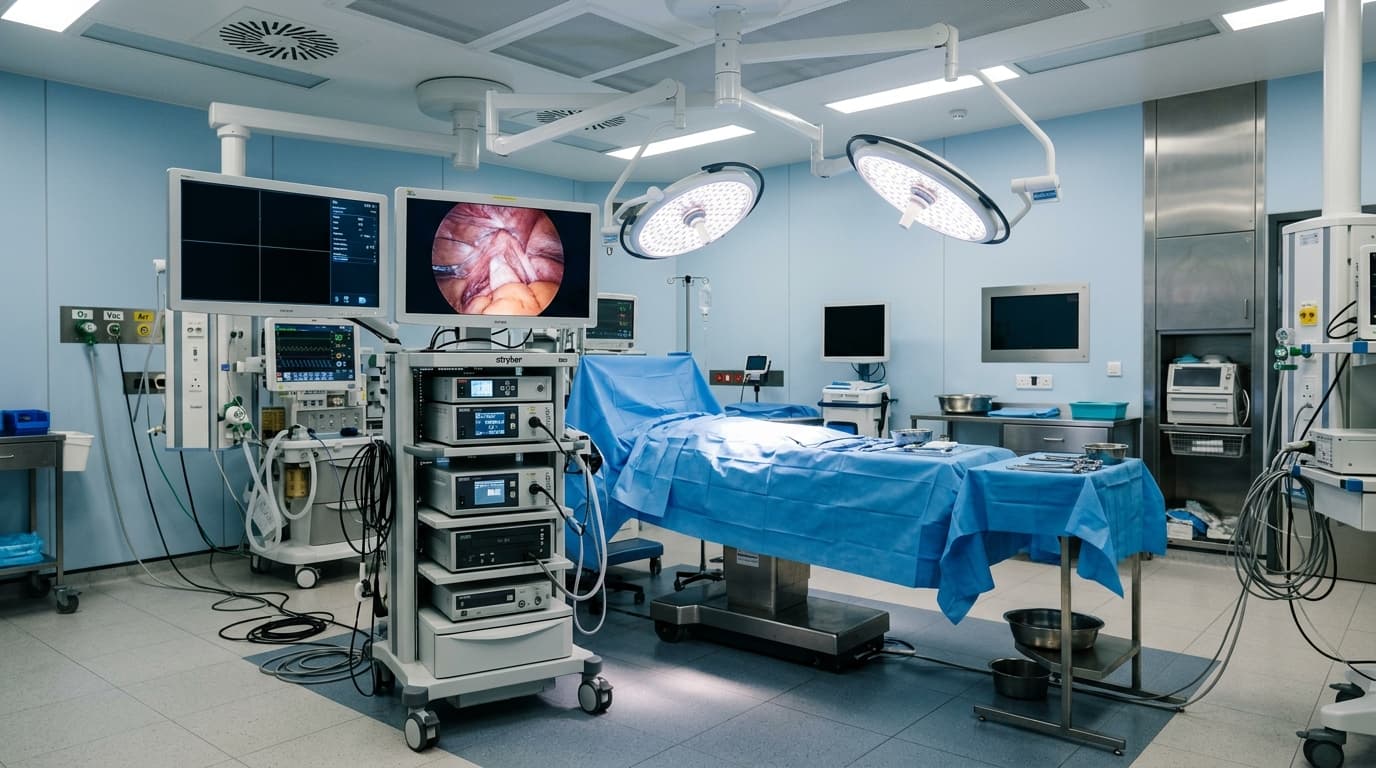
Laparoscopic appendectomy has become the standard surgical approach for treating acute appendicitis in the United Kingdom. This method offers several advantages over traditional open surgery, including smaller incisions and significantly lower post-operative pain levels for the patient. Hospitals are increasingly investing in high-definition camera systems and specialized handheld instruments to support these procedures. These investments allow surgeons to perform complex maneuvers with greater precision than was possible a decade ago.
The adoption of single-port laparoscopy is also gaining traction within major medical centers across London and Manchester. This technique further minimizes scarring and is particularly popular for pediatric patients who require more delicate interventions. Market Data Forecast indicates that the surgical equipment segment remains the largest contributor to overall revenue in this specific health sector. The focus remains on tools that offer reliability and ease of use during emergency situations.
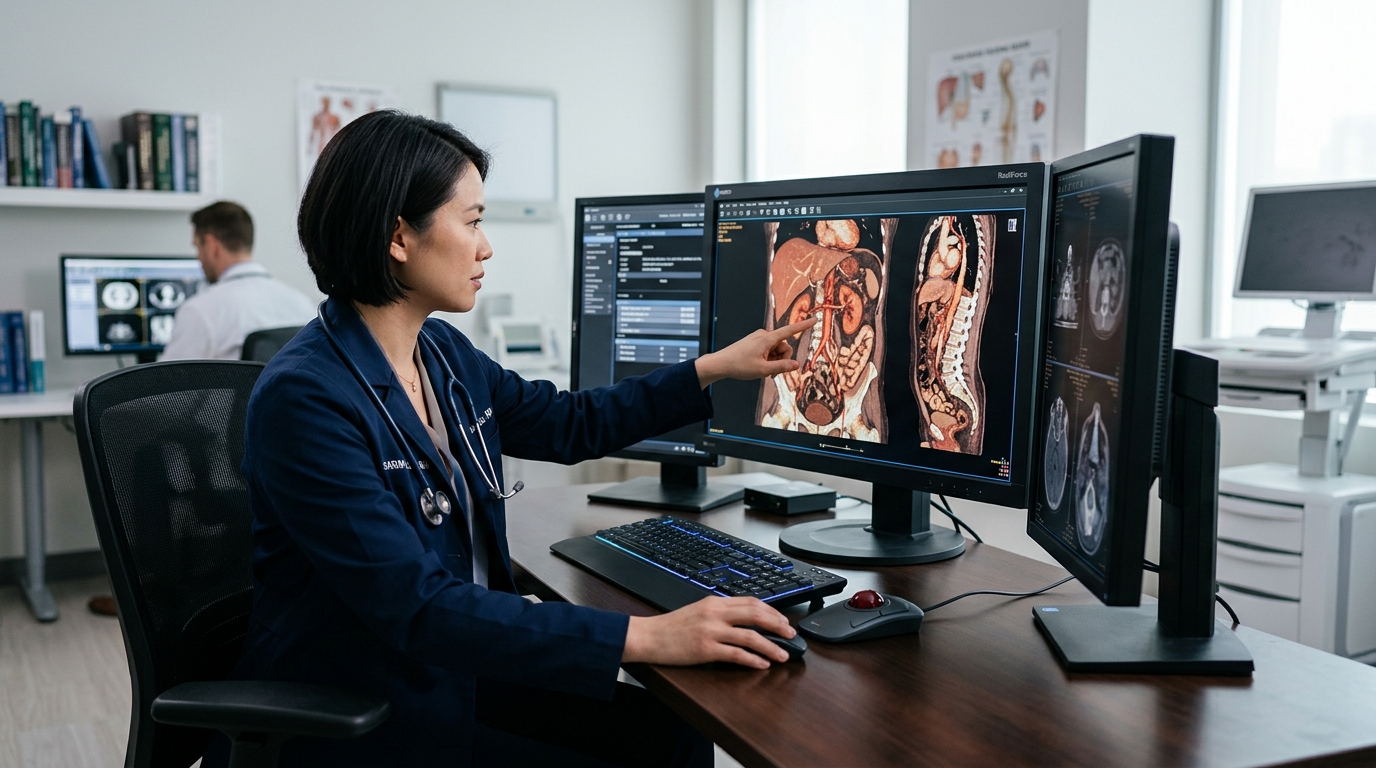
Diagnostic imaging plays a vital role in the early detection of appendiceal inflammation before complications like peritonitis occur. Computed tomography and ultrasound remain the primary tools used by clinicians to confirm a diagnosis before proceeding to the operating theater. Improvements in imaging resolution have significantly reduced the rate of negative appendectomies, where a healthy appendix is removed by mistake. This accuracy helps in managing hospital resources more effectively during peak admission times.
"The integration of advanced robotic-assisted platforms is expected to redefine surgical protocols for appendicitis in the coming years."
— Sumanth Reddy, Senior Analyst at Market Data Forecast
Economic Drivers and Market Competition
Economic factors continue to influence the procurement strategies of National Health Service trusts throughout the country. While high-end surgical tools offer better patient outcomes, their initial cost requires significant capital investment from regional health boards. Many facilities are now looking toward long-term leasing agreements or bulk purchasing to maintain access to modern technology without depleting their annual budgets. This financial approach ensures that smaller community hospitals can offer the same level of care as large teaching facilities.
The private healthcare sector in the United Kingdom is also contributing to market growth by offering faster access to surgical care for those with insurance. Patients seeking to avoid long waiting lists often turn to private clinics for urgent appendectomies or consultations. This trend has led to increased competition among medical device manufacturers to secure exclusive supply contracts with private hospital groups. These manufacturers are focusing on providing complete kits that include everything needed for a single procedure.
Research and development efforts are currently focused on improving the durability and safety of surgical consumables like staples and sutures. Manufacturers are working on bio-absorbable materials that reduce the risk of internal complications or infections after the procedure is finished. These technical improvements help in maintaining a steady growth rate as hospitals seek to minimize the occurrence of readmissions. Better consumables also mean that surgeons can close wounds more quickly, increasing the number of cases handled per day.
Training programs for junior doctors are evolving to include more simulation-based learning for appendicitis surgery. By using virtual reality and physical models, new surgeons can hone their skills before entering a real operating room. This educational shift supports the market by creating a workforce that is proficient in using the latest technological tools. As more practitioners become skilled in advanced techniques, the demand for the associated hardware naturally increases.
Looking ahead, the United Kingdom appendicitis market is positioned for sustained growth through the end of the decade. As diagnostic precision improves and surgical techniques become less invasive, patient outcomes are expected to reach new heights. Future developments will likely center on the integration of artificial intelligence in imaging to further speed up the triage process. Stakeholders must remain attentive to changing regulatory requirements and healthcare budgets to capitalize on these emerging opportunities.