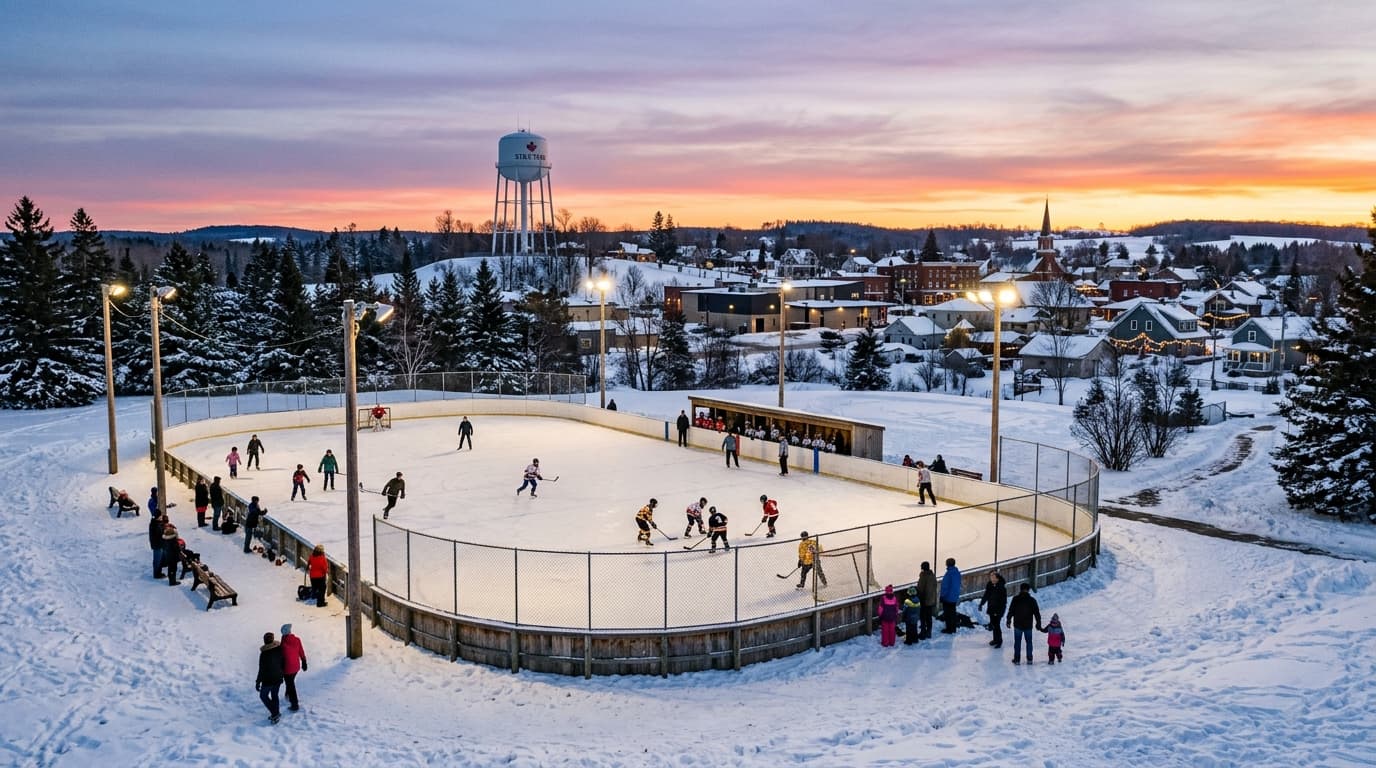
Taber, AB, and Tumbler Ridge, BC, compete for the 20th anniversary title.
The winning community receives $250,000 for local arena infrastructure upgrades.
National voting begins soon to determine the winner of the NHL pre-season game.
Kraft Heinz Canada has officially narrowed the field for its 20th anniversary Kraft Hockeyville competition to two finalist communities. Taber, Alberta, and Tumbler Ridge, British Columbia, will now compete for the top prize through a national voting period that engages sports fans across the country. This milestone year highlights the program's long-standing commitment to supporting community hockey infrastructure and local pride throughout Canada. Both towns secured their spots based on their demonstrated passion for the sport and the urgent need for facility upgrades within their local arenas.
Economic and Infrastructure Impact
The winning community receives $250,000 in funding dedicated specifically to arena repairs and facility upgrades. This financial injection aims to modernize aging buildings that serve as essential social hubs for small municipalities and rural regions. Local organizers in Taber and Tumbler Ridge have identified specific structural needs, ranging from ice plant replacements to the expansion of overcrowded dressing rooms. These projects are intended to extend the lifespan of the facilities for several decades.
Beyond the capital investment, the winner earns the right to host a pre-season NHL game within their region. This event typically generates significant local economic activity through tourism, hospitality, and retail spending during the game week. The high-profile nature of the event brings national media attention to the town, providing a rare platform for regional promotion. Even the runner-up community receives a financial benefit, taking home $10,000 for their own arena improvement projects.
Kraft Heinz Canada partners with the National Hockey League and the NHL Players' Association to facilitate this annual program. This collaboration ensures that professional-grade resources reach grassroots programs that often struggle with limited municipal budgets. Over the last twenty years, the program has contributed millions of dollars to dozens of communities, helping to maintain the safety and quality of local ice surfaces. The 20th anniversary marks a period of significant growth for the initiative's total financial contribution to Canadian sports.
The selection process involves a detailed review of community stories and the proposed use of the prize money. Judges look for towns where the arena serves as more than just a sports venue, acting instead as a primary gathering place for all residents. Taber and Tumbler Ridge stood out this year for their ability to articulate how the funding would provide a lasting legacy for youth athletes. The program continues to prioritize projects that increase participation and ensure that hockey remains accessible to diverse populations.
"The 20th anniversary of Kraft Hockeyville is a testament to the enduring bond between Canadian communities and their local rinks. Taber and Tumbler Ridge have shown incredible spirit, and we are proud to help them maintain these vital spaces for future generations of players."
— Simon Laroche, President of Kraft Heinz Canada
Taber and Tumbler Ridge Named Kraft Hockeyville Finalists
Voting Procedures and Community Engagement
The final selection depends on a 32-hour online voting window where Canadians across the country cast their ballots for their preferred town. This phase of the competition often triggers massive social media campaigns and local rallies to drive participation numbers. Residents in both Alberta and British Columbia are expected to mobilize local businesses, schools, and civic leaders to support their respective bids. The digital nature of the vote allows for a high level of engagement from supporters living outside the immediate area.
Taber’s bid emphasizes the need for energy-efficient upgrades to its community centre to lower annual operating costs for the town. By reducing utility expenses, the municipality hopes to keep registration fees low for families participating in minor hockey. Tumbler Ridge focuses on accessibility improvements, including updated seating and entrance ways to ensure the sport remains inclusive for residents with mobility challenges. These specific projects reflect broader trends in municipal management where sustainability and inclusivity are top priorities.
The competition serves as a significant marketing platform for the participating brands while fulfilling corporate social responsibility goals. It bridges the gap between major corporate entities and small-town sports culture through direct investment. By focusing on the 20th anniversary, the organizers are highlighting the historical success of previous winners who successfully revitalized their local economies. The program has become a fixture in the Canadian sporting calendar, representing a unique blend of corporate sponsorship and community activism.
National participation in the voting process has grown steadily since the program's inception two decades ago. Organizers expect record-breaking numbers this year as the two finalists represent distinct regions with deep ties to the energy and agricultural sectors. The winner will be announced shortly after the voting window closes, following a verification process of the digital ballots. This announcement will set the stage for a summer of planning as the winning town prepares for its transformation into a professional hockey host.
As the voting period approaches, both Taber and Tumbler Ridge are preparing to showcase their community pride on a national stage. The final announcement will determine which town joins the storied list of Kraft Hockeyville champions and receives the quarter-million-dollar grant. Regardless of the final tally, the program continues to provide a blueprint for how public-private partnerships can support regional sports infrastructure. This year's competition reinforces the idea that local arenas remain the heart of Canadian towns and require consistent investment to thrive.
Stay Ahead of the News
Get the latest business news and company spotlights delivered to your inbox. No spam, unsubscribe any time.