
At a Glance
- Global market valuation expected to double between 2022 and 2031.
- Sector growth driven by an 8.6% compound annual growth rate.
- Asia Pacific emerges as the leading region for infrastructure expansion.
The global steel wind tower market is experiencing significant expansion as nations accelerate their transition toward renewable energy sources. Valued at USD 10.2 billion in 2022, the sector is projected to reach USD 21.3 billion by the end of 2031. This growth represents a compound annual growth rate of 8.6% over the nine-year forecast period. Increased investments in both onshore and offshore wind farms are the primary catalysts for this substantial industrial shift.
Regional Growth and Infrastructure Drivers
Asia Pacific remains the dominant force in the steel wind tower sector, according to data from Transparency Market Research, fueled by massive infrastructure projects in China and India. These nations are prioritizing wind energy to meet rising electricity demands while reducing reliance on fossil fuels. Government subsidies and favorable regulatory frameworks continue to attract private investment into large-scale turbine installations.
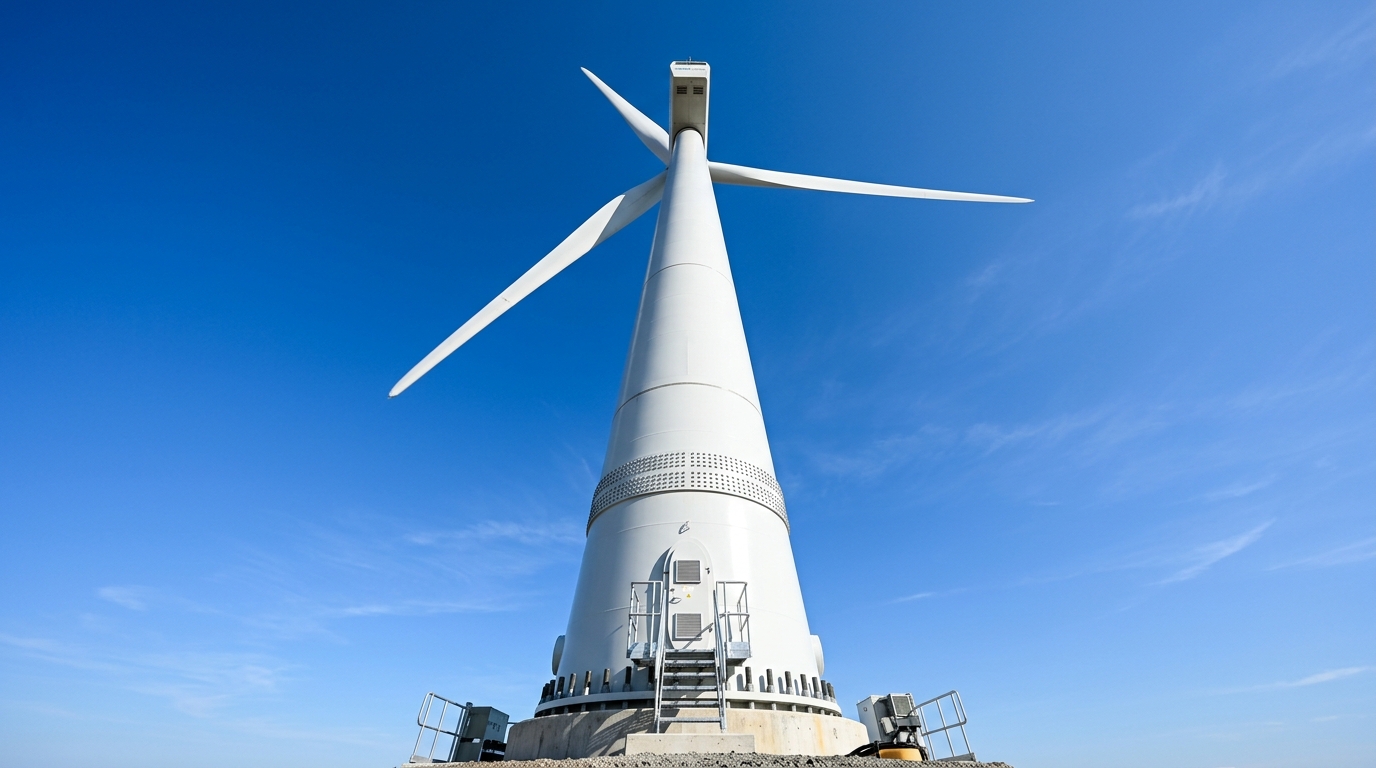
European markets are also seeing steady progress due to strict carbon neutrality targets set by the European Union. The shift toward offshore wind installations requires specialized steel towers capable of withstanding harsh marine environments. Manufacturers are focusing on high-strength steel alloys to ensure the longevity and stability of these massive structures in unpredictable weather conditions.
North America follows closely, with the United States expanding its wind capacity through federal tax incentives and state-level mandates. The integration of advanced manufacturing techniques allows for the production of taller towers that can capture higher wind speeds more effectively. These developments are essential for improving the efficiency and energy output of modern wind farms across the continent.
"The expansion of the steel wind tower market is directly linked to the global commitment to decarbonization and the increasing economic viability of wind power. As turbine technology evolves, the demand for sophisticated structural support systems will continue to rise across all major geographic regions."
— Lead Analyst, Transparency Market Research
Technological Advancements and Market Competition
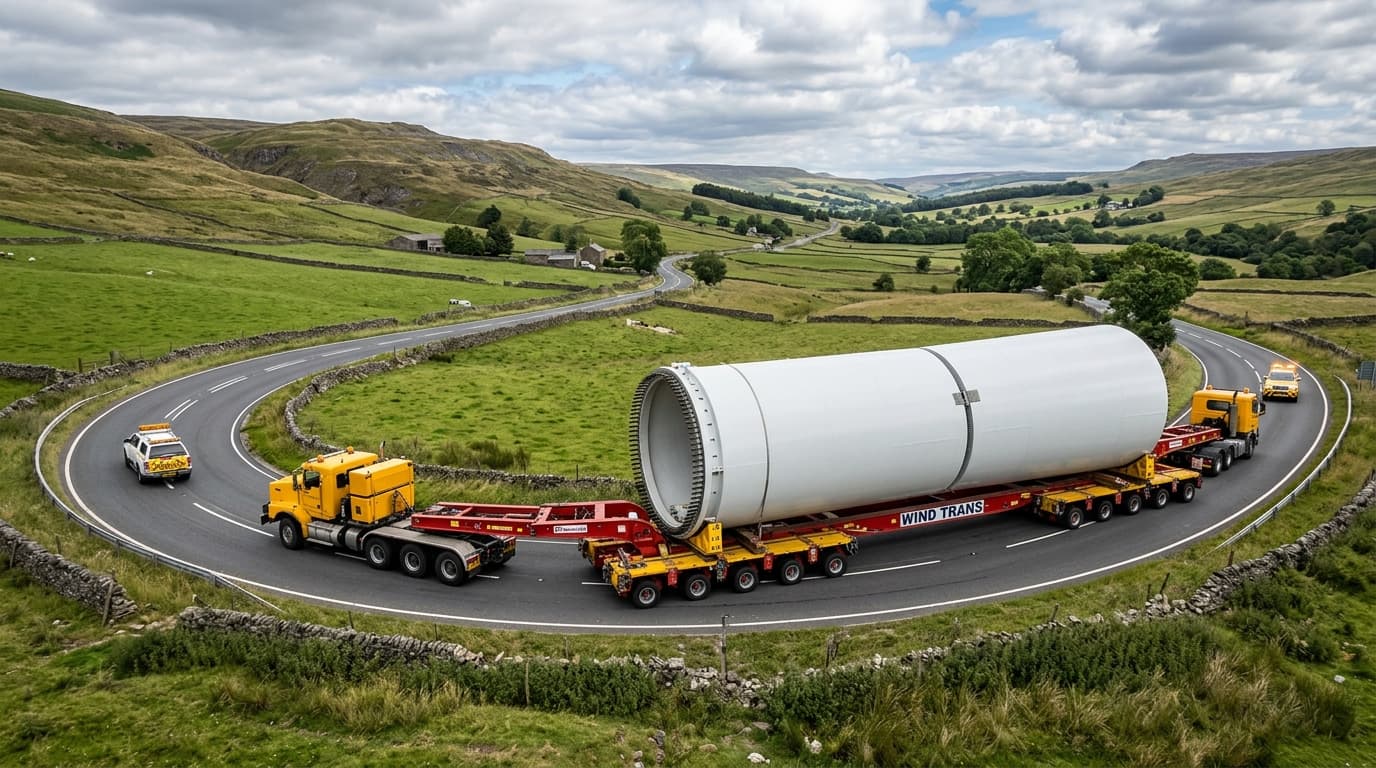
Key industry players such as ArcelorMittal and Vestas are investing in research to optimize tower designs for maximum durability. Reducing the weight of steel components without compromising structural integrity is a primary goal for engineers in this field. This focus on material efficiency helps lower transportation and installation costs for project developers and utility companies.
The competitive environment is characterized by strategic partnerships and mergers among turbine manufacturers and steel suppliers. Companies like Siemens Gamesa and General Electric are securing long-term contracts to stabilize their supply chains against market fluctuations. These agreements ensure a steady flow of raw materials needed for multi-year infrastructure projects that require predictable pricing models.
Offshore wind technology presents unique challenges that require specialized engineering solutions beyond traditional onshore designs. Corrosion-resistant coatings and specialized foundation designs are becoming standard requirements for new projects in the North Sea and Atlantic regions. Industry leaders are also looking at modular tower designs to simplify the assembly process at remote or deep-water sites.
Standardization of tower components is another trend helping to reduce overall project timelines and manufacturing errors. By using uniform specifications, factories can produce parts more quickly and reliably for a global clientele. This approach supports the rapid scaling of wind energy capacity needed to meet international climate goals and energy security needs.
The outlook for the steel wind tower industry remains positive as global energy demands continue to climb each year. With a projected market value exceeding $21 billion, the sector is a cornerstone of the renewable energy transition. Continued investment in manufacturing capacity and material science will be necessary to meet the needs of the next generation of wind turbines. Stakeholders should expect ongoing volatility in raw material prices to influence short-term market dynamics as the industry matures.