Total revenue increased by 14.2% compared to the previous fiscal year.
Portfolio expanded to 42 properties across the United States and Canada.
Net loss attributable to stockholders reached $34.7 million for the year.
Strategic Storage Trust VI, Inc. (SST VI) recently released its financial results for the fiscal year ending December 31, 2025. The Maryland-based real estate investment trust focused on self-storage reported a net loss of $34.7 million, which translates to $0.78 per share. Despite the bottom-line figures, the company saw significant growth in its total revenue, which reached $81.5 million. This performance highlights the ongoing expansion efforts of the trust within the competitive storage sector across North America.
Revenue Growth and Portfolio Expansion
The company's total revenue for 2025 represented a 14.2% increase compared to the $71.4 million reported in the previous year. This growth stemmed primarily from the full-year impact of properties acquired during 2024 and organic growth within the existing portfolio. Management noted that rental rates remained steady across most key markets throughout the reporting period.
In terms of acquisitions, Strategic Storage Trust VI, Inc. added two self-storage facilities to its portfolio during the 2025 calendar year. These properties are located in high-growth suburban areas, contributing approximately 1,500 units to the total inventory. The total purchase price for these assets amounted to approximately $28.4 million, funded through a combination of debt and cash reserves.
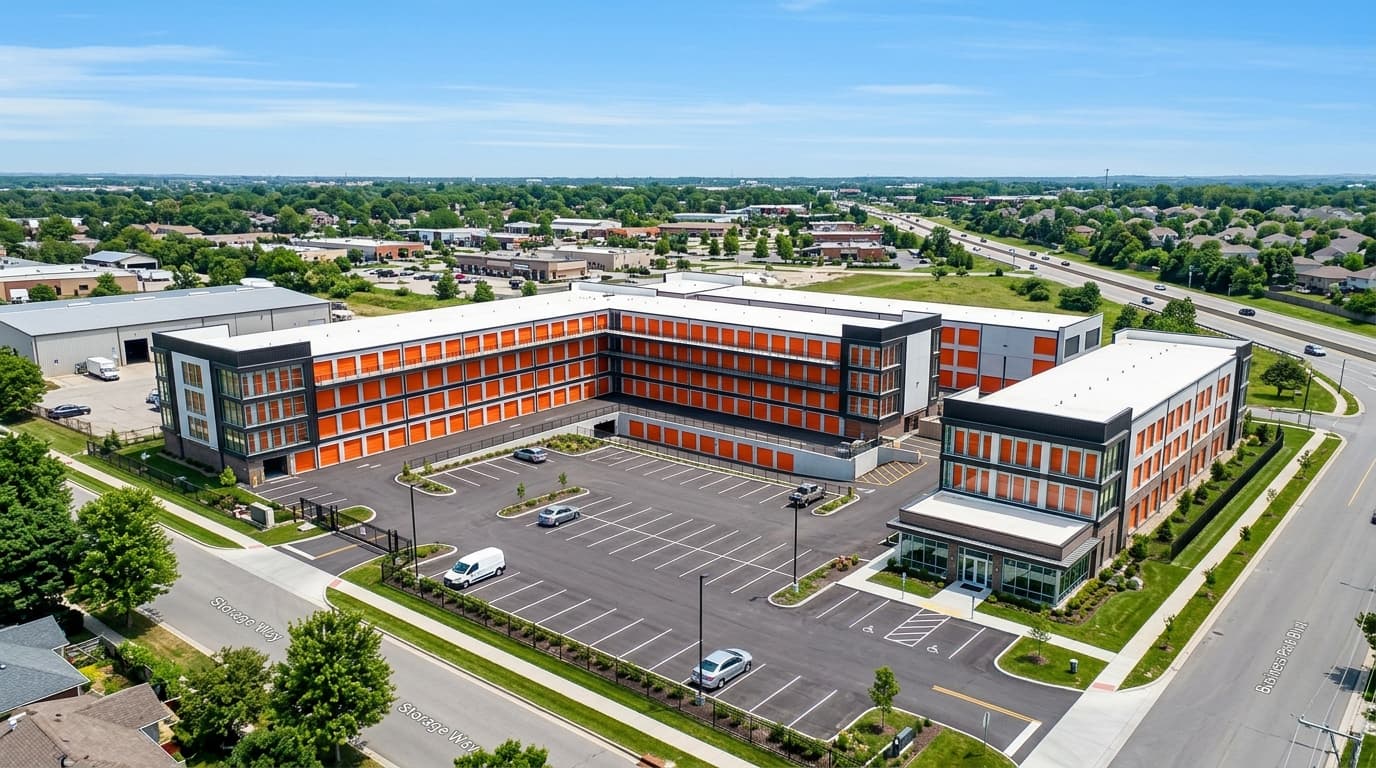
The trust's portfolio now consists of 42 properties across several states and Canadian provinces. These assets represent approximately 3.2 million rentable square feet and over 28,000 individual units. The geographic diversification helps the company manage risks associated with localized economic downturns in specific regions. This spread includes significant holdings in both the Sunbelt region and major Canadian metropolitan areas.
"Our 2025 results reflect the continued execution of our growth strategy in a shifting economic environment. We remain focused on optimizing our existing portfolio while identifying disciplined acquisition opportunities that provide long-term value to our stockholders."
— H. Michael Schwartz, Chairman and CEO of Strategic Storage Trust VI, Inc.
SST VI Reports $81.5 Million Revenue for Fiscal Year 2025
Operating Expenses and Occupancy Trends
Operating expenses for the fiscal year totaled $52.1 million, up from $46.8 million in 2024. This increase was driven by higher property taxes and increased labor costs across the facility network. Marketing expenses also saw a slight uptick as the company sought to maintain high occupancy levels in saturated markets. These costs are a standard part of maintaining a large-scale real estate footprint.
The average physical occupancy for the same-store portfolio stood at 91.4% as of December 31, 2025. While this is a slight decrease from the 92.8% reported at the end of 2024, it remains within the company's historical target range. Management attributed the dip to seasonal fluctuations and increased competition in certain urban markets. The company continues to use dynamic pricing models to balance occupancy and rental rates.
Funds from operations (FFO) attributable to common stockholders was reported at $12.2 million for the year. This metric is often used by REIT investors to gauge the cash-generating capacity of the underlying real estate assets. The FFO per share for the period was $0.27, providing a clearer picture of operational health than net income alone. The discrepancy between net income and FFO is largely due to non-cash depreciation and amortization expenses.
Looking ahead to 2026, the company expects to maintain its focus on operational efficiency and debt management. The board of directors continues to evaluate the market for potential dispositions or further acquisitions that align with the trust's investment objectives. Stockholders should monitor interest rate trends, as these significantly impact the cost of capital for future property developments. The storage industry remains a resilient segment of the broader real estate market heading into the new fiscal year.
Stay Ahead of the News
Get the latest business news and company spotlights delivered to your inbox. No spam, unsubscribe any time.