
At a Glance
- Market valuation projected to reach $420 million by 2035.
- Compound annual growth rate estimated at 12% through the forecast period.
- Brazil and Argentina lead regional demand for diagnostic upgrades.
The South American medical imaging workstations market is projected to reach a valuation of $420 million by the end of 2035. This growth represents a significant increase from the 2024 valuation of $120 million, reflecting a compound annual growth rate of 12%. Rising investments in healthcare infrastructure and a growing prevalence of chronic conditions drive this expansion across the continent. Regional governments are prioritizing the modernization of diagnostic facilities to improve patient outcomes and reduce long-term treatment costs.
Diagnostic Advancements and Chronic Disease Impact
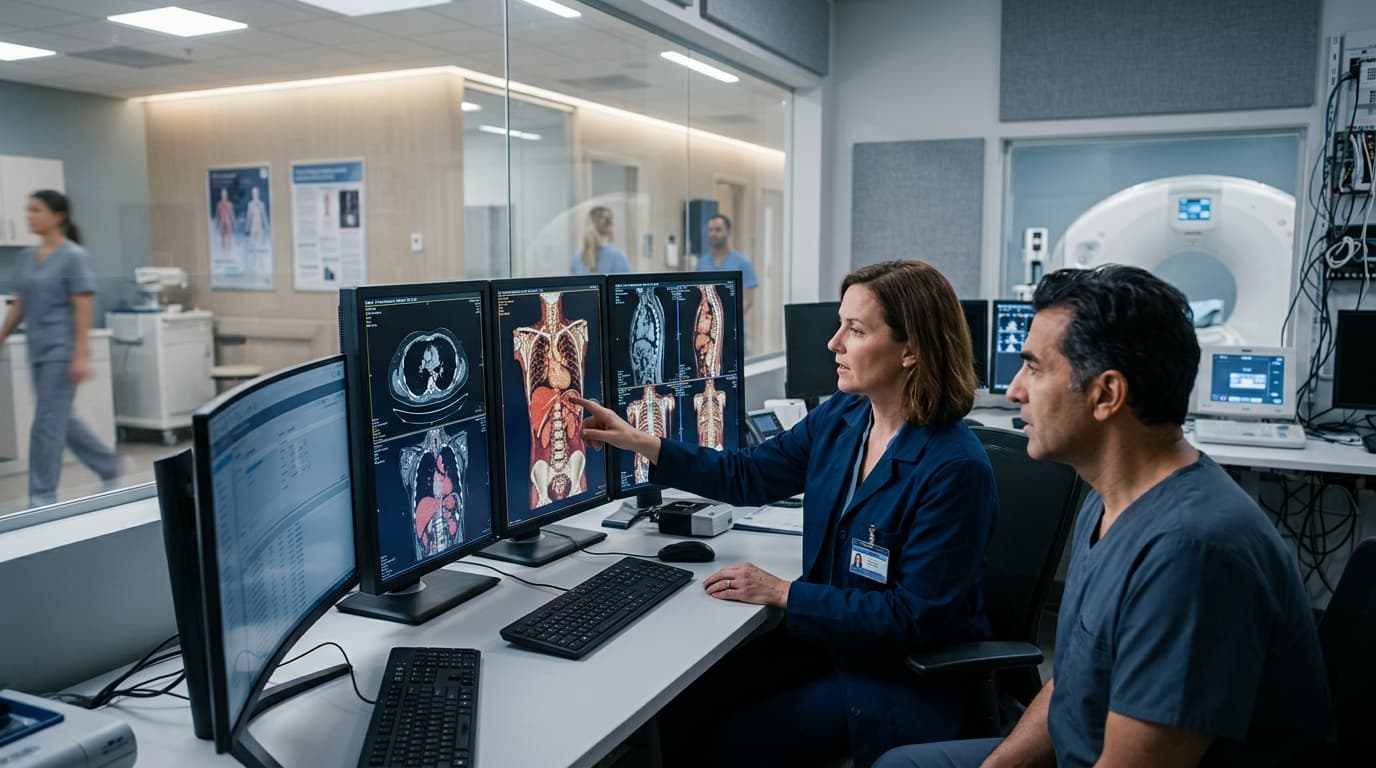
Increasing rates of cardiovascular diseases and cancer across the continent necessitate advanced diagnostic tools for early detection. Medical imaging workstations provide the processing power required to interpret complex data from MRI and CT scans. These systems allow radiologists to visualize internal structures with high precision, aiding in accurate treatment planning for patients. The integration of these tools helps reduce the time between initial scanning and the commencement of therapy.
The shift toward 3D and 4D imaging technology is a primary factor influencing market demand in the private sector. Hospitals are replacing legacy systems with integrated workstations that support multi-modality data sets for better clinical outcomes. According to Research Nester, the diagnostic imaging segment currently holds the largest share of the regional market. This trend is expected to continue as facilities seek to improve their throughput and diagnostic accuracy.
Public health initiatives in nations like Brazil and Colombia focus on expanding access to specialized care in rural areas. Tele-radiology capabilities within modern workstations enable remote diagnosis, bridging the gap between urban specialists and distant clinics. This digital connectivity supports the broader goal of universal healthcare access within the South American region. Government subsidies are often used to offset the costs of acquiring these high-end technological solutions.
Hardware components, including high-resolution monitors and specialized processing units, remain a significant part of the market value. However, software solutions for image reconstruction and data management are seeing faster adoption rates among large providers. These digital tools help facilities manage the massive influx of patient data generated by modern scanners every day. Efficient data storage and retrieval systems are becoming a standard requirement for all new workstation installations.
"The rising demand for early diagnosis and the integration of advanced visualization tools are key factors propelling the regional market. We expect significant investments in digital healthcare infrastructure to redefine diagnostic capabilities over the next decade."
— Senior Research Analyst at Research Nester
Regional Performance and Modality Trends
Brazil leads the South American market due to its large population and established network of private healthcare providers. The country accounts for a substantial portion of the regional revenue, driven by high adoption rates of computed tomography. Private investments in diagnostic centers continue to outpace public spending in major metropolitan hubs like São Paulo and Rio de Janeiro. This private sector growth creates a stable demand for the latest workstation models from global manufacturers.
Argentina and Colombia are also emerging as significant contributors to the regional growth profile over the next decade. These nations are seeing a rise in medical tourism, which creates specific demand for high-end diagnostic services in urban centers. Local providers are investing in ultrasound and magnetic resonance imaging workstations to remain competitive in the international market. These upgrades are necessary to meet the high standards expected by foreign patients seeking affordable care.
The modality segment is currently dominated by CT and MRI systems, which require high-performance computing resources to function. These workstations must handle large file sizes and provide real-time rendering for complex surgical planning procedures. Manufacturers are focusing on reducing power consumption and improving the user interface to suit various clinical environments. Enhanced portability is also becoming a factor for workstations used in emergency departments and intensive care units.
Regulatory hurdles and high initial costs remain the primary barriers to entry for smaller healthcare facilities in the region. While large hospitals can afford premium systems, mid-sized clinics often rely on refurbished equipment or basic software configurations. Despite these challenges, the overall trajectory for the industry remains positive as financing options become more accessible to providers. Global companies like GE Healthcare and Siemens Healthineers are actively expanding their distribution networks in these territories.
The South American medical imaging workstations market is entering a phase of sustained growth driven by demographic shifts and technological integration. As the elderly population increases, the demand for non-invasive diagnostic procedures will likely escalate throughout the region. Stakeholders must address the need for skilled technicians to operate these advanced systems effectively in various clinical settings. Continued economic stability in major nations will be vital for maintaining the current pace of healthcare infrastructure investment through 2035.