
At a Glance
- Global market projected to reach $314 million by 2028
- Supply chain realignment focuses on regional production hubs
- Safety and energy density drive automotive sector adoption
The global solid-state battery market is undergoing a significant transition as manufacturers prioritize safety and energy density over traditional lithium-ion technology. Recent industry data indicates the sector will grow from its current valuation to over $314 million by 2028, representing a compound annual growth rate of 36.4%. This growth coincides with a broader realignment of global supply chains aimed at reducing dependence on specific geographic regions for raw materials. Companies are now investing billions to transition from liquid electrolytes to solid-state alternatives for next-generation electric vehicles and high-end electronics.
Supply Chain Shifts and Material Sourcing
Manufacturers are reevaluating their procurement strategies to secure stable supplies of lithium and solid electrolytes. The current shift aims to localize production facilities closer to end-users in North America and Europe. This move reduces logistics costs and mitigates risks associated with international trade volatility. Regional governments are also providing incentives to build domestic battery manufacturing hubs to ensure energy security.
Research from MarketsandMarkets suggests that the development of sulfide-based electrolytes is gaining momentum among major automotive players. These materials offer high ionic conductivity which is necessary for fast-charging capabilities. Several firms have established pilot production lines to test these components under real-world conditions. The industry is also investigating oxide-based and polymer-based electrolytes for specific niche applications.
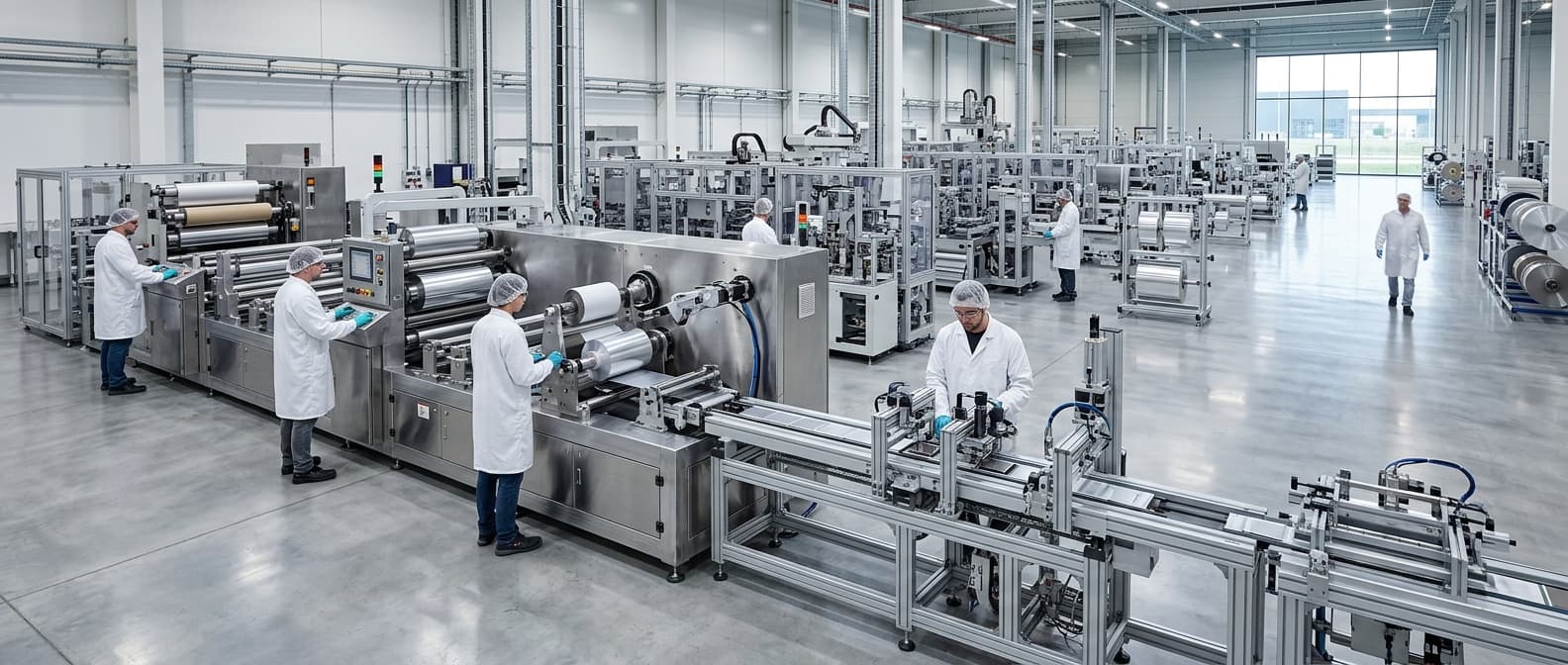
The integration of solid-state technology requires a complete overhaul of existing battery assembly processes. Factories must implement specialized dry-room environments to handle sensitive solid materials. These infrastructure upgrades represent a significant capital expenditure for established battery producers. Companies that fail to adapt their manufacturing lines may find themselves at a disadvantage as the market moves toward these new standards.
Thin-film batteries currently dominate the portable electronics segment due to their small footprint. However, bulk solid-state batteries are expected to see the fastest growth in the automotive sector. This shift is driven by the need for high-capacity cells that can power long-range electric cars. Engineers are working to solve the challenges of interface resistance between the electrodes and the solid electrolyte.
"The transition to solid-state technology represents a fundamental change in energy storage architecture. We are seeing a concerted effort to move beyond the limitations of liquid-based systems to meet the demands of the automotive sector."
— Danil Efremov, Senior Analyst at MarketsandMarkets
Technical Advancements and Market Drivers
Safety remains a primary driver for the adoption of solid-state cells in the consumer electronics and automotive sectors. Unlike liquid electrolytes, solid components are non-flammable and less prone to thermal runaway during high-stress operations. This characteristic allows for more compact battery pack designs without the need for heavy cooling systems. It also reduces the overall weight of the vehicle, which improves efficiency.
Energy density improvements are another factor pushing the market forward. Solid-state batteries can potentially store twice the energy of a standard lithium-ion cell of the same weight. This increase in capacity directly translates to longer ranges for electric vehicles and thinner profiles for portable devices. Consumer demand for devices that last longer between charges is driving rapid adoption in the medical device sector as well.
Competitive pressure is mounting as startups and legacy manufacturers race to commercialize the technology. Major automotive groups have formed joint ventures with technology firms to accelerate the development timeline. Initial commercial rollout is expected in high-end luxury vehicles before moving to the mass market. These partnerships help share the high costs associated with research and development.
Market analysts point to the medical and aerospace industries as early adopters of these high-performance batteries. The reliability of solid-state systems makes them ideal for life-critical applications and harsh environments. In aerospace, the reduced weight of solid-state packs offers a significant advantage for electric vertical takeoff and landing aircraft. As production volumes increase, the cost per kilowatt-hour is expected to drop as manufacturing efficiencies improve.
The outlook for the solid-state battery market remains positive as technical hurdles regarding cycle life and manufacturing costs are addressed. Industry leaders expect significant production scaling to occur in the latter half of the decade. As supply chains stabilize and material costs decrease, solid-state technology will likely become the standard for high-performance applications. This evolution in battery chemistry will define the next phase of global electrification and energy storage.