
At a Glance
- Urbanization drives demand for solar-powered waste solutions.
- Market research identifies key growth regions in North America and Asia-Pacific.
- Major industry players focus on smart technology integration.
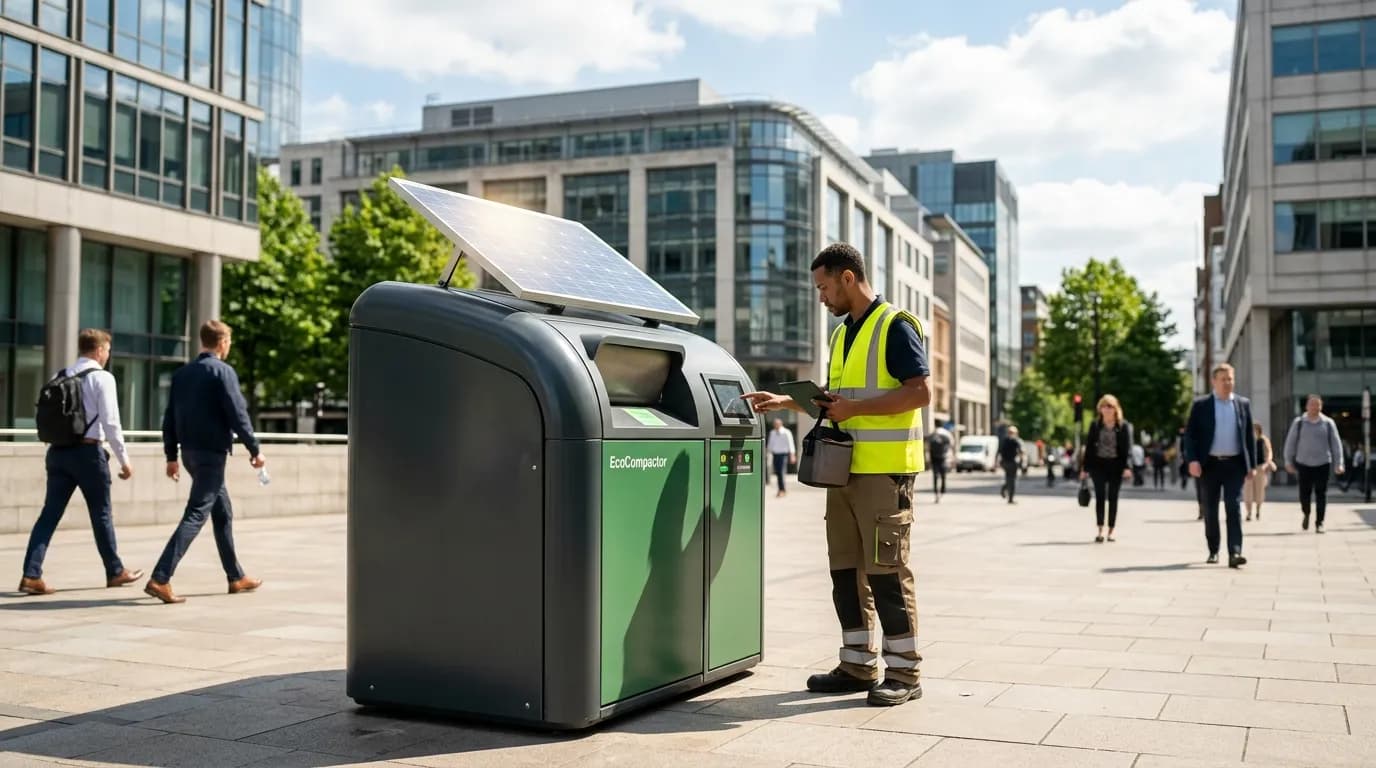
The global solar trash compactor market is undergoing a significant transformation as municipal governments and private entities shift toward sustainable energy infrastructure. Recent industry data suggests that the integration of solar technology into waste management systems is no longer a niche application but a standard requirement for modern urban planning. This shift is driven by the need for operational efficiency and the reduction of carbon footprints in densely populated areas. Analysts expect the market to expand as cities prioritize smart utility solutions.
Regional Growth and Market Drivers
North America currently maintains a leading position in the adoption of solar-powered waste compactors. This dominance results from early investments in smart city infrastructure and stringent environmental regulations regarding waste disposal. Municipalities in the United States and Canada are replacing traditional bins with solar units to reduce the frequency of collection trips. This transition helps local governments meet sustainability targets while managing rising labor costs in the public sector.
The Asia-Pacific region is emerging as a high-growth market due to rapid industrialization and urban migration. Countries like China and India are investing in waste management technologies to handle the increasing volume of refuse in megacities. Local governments are seeking ways to manage public health while minimizing the energy costs associated with traditional waste processing. These investments are supported by national initiatives aimed at modernizing public utilities and reducing urban pollution levels.
Market Research Intellect reports that the transition toward renewable energy sources is a primary catalyst for this sector. The company notes that the decrease in solar panel costs has made these specialized compactors more accessible to smaller municipalities. By utilizing renewable energy, these units function independently of the power grid, allowing for installation in remote or high-traffic public spaces. This independence eliminates the need for expensive electrical trenching during installation.
"The integration of IoT sensors and solar power in waste management allows for real-time data monitoring and significant reductions in collection costs."
— Steven Anthony, Lead Analyst at Market Research Intellect
Competitive Dynamics and Technical Trends
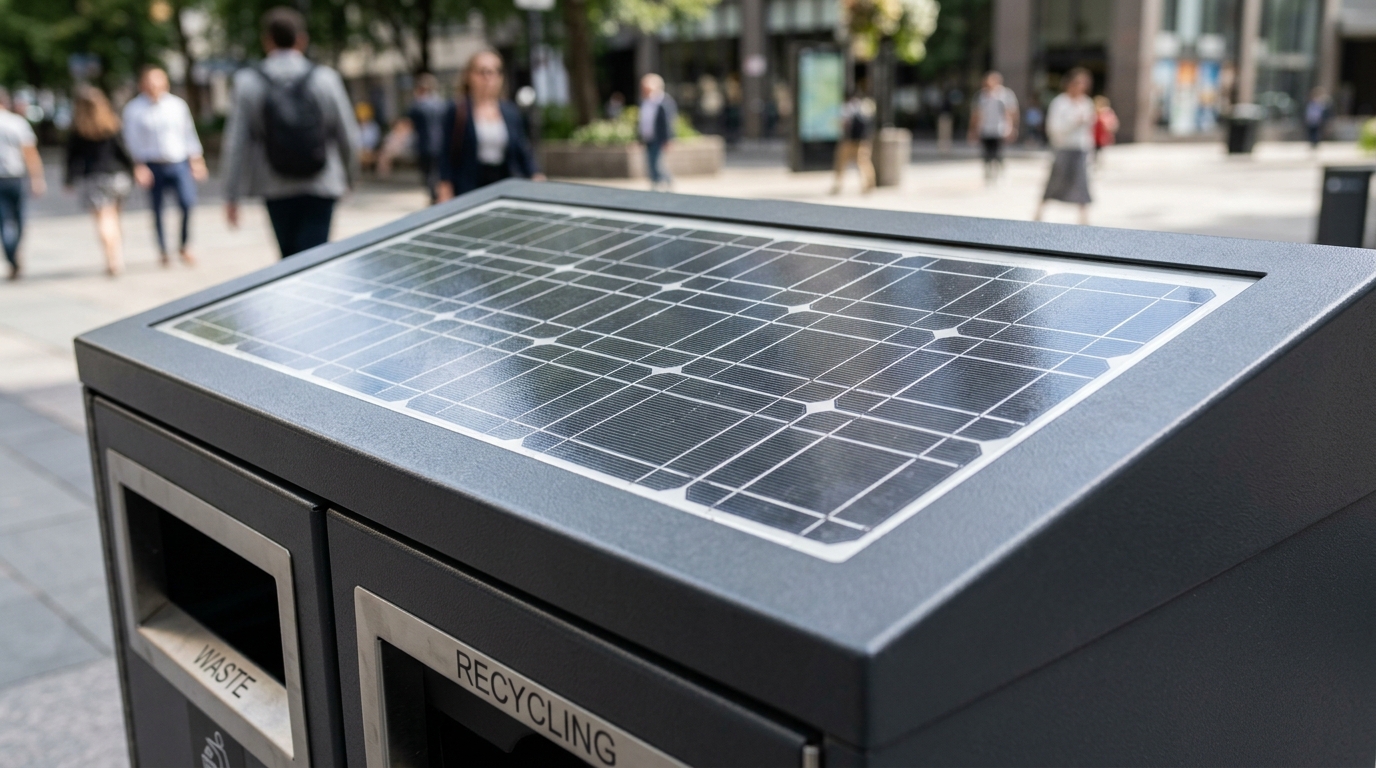
Leading companies in the sector, such as Bigbelly Solar and Ecube Labs, are focusing on technical enhancements to improve compaction ratios. These units use solar energy to power internal rams that compress waste, increasing the capacity of standard bins by up to five times. This capability reduces the number of vehicles required for collection, lowering fuel consumption and traffic congestion. Many models now feature modular designs that allow for easy maintenance and component upgrades.
Data connectivity has become a standard feature in the latest generation of solar compactors. Sensors notify waste management teams when a bin reaches its capacity, preventing overflows and optimizing collection routes. This data-driven approach allows organizations to allocate resources more effectively based on actual usage patterns rather than fixed schedules. Managers can access these metrics through cloud-based platforms to track performance across entire city districts.
The hardware components of these systems are designed to withstand diverse environmental conditions. Manufacturers are using weather-resistant materials and high-efficiency photovoltaic cells to ensure consistent performance in low-light environments. These improvements ensure that the compactors remain operational throughout the year, regardless of seasonal variations in sunlight. Durability remains a key selling point for municipalities looking to make long-term investments in their waste infrastructure.
The future of the solar trash compactor market remains tied to the broader adoption of smart city frameworks. As energy infrastructure continues to evolve, the demand for self-sustaining utility solutions will likely increase across both developed and developing economies. Stakeholders must focus on balancing initial capital expenditures with the long-term savings provided by reduced labor and fuel costs. These advancements will likely define the next generation of urban environmental services.