Click Below To Share & Ask AI to Summarize This Article
Save time and get the key takeaways instantly. Choose your favourite AI assistant to read and analyse this page for you.
At a Glance
- Single-motor designs prioritize battery longevity and weight reduction.
- Dual-motor systems face challenges with mechanical complexity and heat.
- VOV Ebike advocates for high-torque mid-drive motor configurations.
The electric bicycle sector is shifting its focus toward efficiency as manufacturers weigh the benefits of single-motor versus dual-motor configurations. While dual-motor ebikes promise increased traction, recent engineering assessments suggest that single-motor systems provide superior range and reduced mechanical failure rates. VOV Ebike recently published findings highlighting how advanced motor technology allows single-drive units to meet performance demands without the weight penalties of secondary motors. This shift reflects a growing consumer preference for reliability and extended battery life in urban commuting environments.
Mechanical Simplicity and Weight Management
Single-motor ebikes maintain a significant advantage in total vehicle weight, which directly impacts handling and portability. By removing the second motor, manufacturers reduce the load on the frame and suspension components. This reduction allows for more agile movement in congested city traffic and easier storage in residential buildings. Lighter frames also require less energy to move, extending the distance a rider can travel on a single charge.
The mechanical complexity of dual-motor systems often leads to higher maintenance costs for the end user. Two motors require synchronized controllers and additional wiring, increasing the potential points of electrical failure. VOV Ebike focuses on optimizing the output of a single high-torque unit to provide sufficient power for steep inclines. This design philosophy minimizes the hardware footprint while maintaining the performance standards expected by modern cyclists.
Heat dissipation remains another technical hurdle for dual-motor configurations. When two motors operate simultaneously, they generate significant thermal energy that can degrade battery health over time. Single-motor systems manage thermal loads more effectively, ensuring the lithium-ion cells operate within optimal temperature ranges. Advanced sensors now monitor these temperatures in real-time to prevent any potential overheating during long rides.
Standardizing parts across a fleet is simpler when dealing with a single drive unit. Mechanics can diagnose issues faster without needing to balance the output of two separate motors. This efficiency in repairs translates to less downtime for the rider and lower long-term ownership costs.
"While dual motors might seem like a power upgrade, they often introduce unnecessary weight and battery drain that can hinder the overall riding experience."
— Mark Chen, Lead Engineer at VOV Ebike
Battery Longevity and Energy Distribution
Energy consumption patterns show that dual-motor setups often drain battery packs at twice the rate of their single-motor counterparts. Most riders rarely utilize the full torque of two motors, leading to wasted energy during flat-terrain travel. Single-motor ebikes use sophisticated software to modulate power delivery based on pedal input and terrain resistance. This intelligent distribution ensures that every watt of energy contributes to forward momentum rather than overcoming internal system friction.
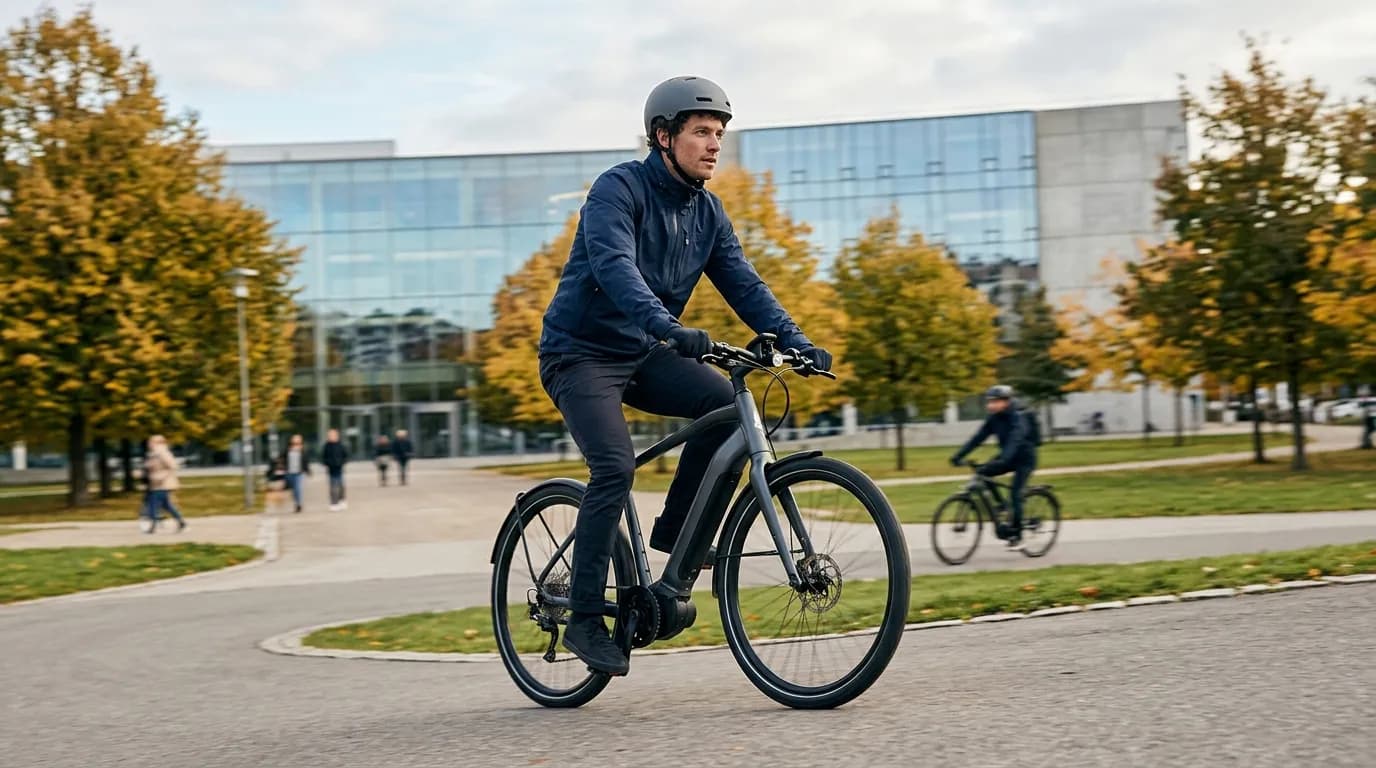
High-torque mid-drive motors have emerged as a viable alternative to the raw power of dual-hub systems. These units utilize the bicycle's existing gear system to multiply torque, allowing for efficient climbing without excessive battery draw. By placing the weight low and centered, mid-drive motors improve the center of gravity and overall stability. This configuration also allows for easier wheel changes and standard bicycle maintenance.
The environmental impact of manufacturing also favors the single-motor approach. Producing a second motor and its associated electronic controllers requires additional raw materials and energy. Reducing the component count helps manufacturers lower their carbon footprint and reduce electronic waste at the end of the product's life cycle. Supply chains also become more efficient when fewer specialized electronic components are required for assembly.
Consumer data indicates that riders prioritize range anxiety over maximum speed in most purchase decisions. A single-motor system provides a more consistent discharge curve, which allows for more accurate battery percentage readings. This reliability builds trust between the user and the technology during daily use.
The debate between single and dual-motor systems marks a maturing market where efficiency is becoming as vital as raw power. As battery technology continues to evolve, the integration of high-output single motors will likely dominate the commuter and light-trail segments. Manufacturers that prioritize lightweight design and mechanical reliability are positioned to capture a larger share of the growing e-mobility market. The focus remains on delivering a balanced ride that maximizes range without compromising on the structural integrity of the bicycle.
Stay Ahead of the News
Get the latest business news and company spotlights delivered to your inbox. No spam, unsubscribe any time.
We respect your privacy. Unsubscribe at any time.