

At a Glance
- Rising demand for energy-efficient building materials drives market growth.
- Silicone coatings offer superior resistance to UV radiation and ponding water.
- North America and Asia-Pacific emerge as leading regional markets.
The global silicone roof coating market is experiencing significant growth as building owners prioritize long-term durability and thermal performance. Recent industry data suggests that the demand for liquid-applied membranes is rising due to their ability to withstand extreme weather conditions. This expansion is driven by the increasing adoption of sustainable building practices and the need to reduce maintenance costs in commercial and residential sectors. Analysts expect the market to sustain a steady compound annual growth rate through the end of the decade as infrastructure ages.
Factors Driving Liquid Silicone Adoption
Property managers are turning to silicone coatings to extend the lifespan of existing roof structures without the need for full replacements. These materials provide a moisture-resistant barrier that prevents leaks and structural damage over time. By applying a high-solids silicone layer, owners can protect surfaces from UV radiation and environmental degradation. This method offers a cost-effective alternative to tearing off old materials and starting from scratch.
The shift toward energy-efficient infrastructure is a primary catalyst for market expansion. Silicone coatings often feature high solar reflectance, which helps maintain lower internal building temperatures during peak summer months. This reflective property reduces the workload on cooling systems and decreases overall electricity consumption for facility operators. Lower utility bills contribute to a faster return on investment for building upgrades.
Environmental regulations regarding volatile organic compounds (VOCs) are also shaping product development. Manufacturers are focused on creating low-VOC formulations that meet strict air quality standards in various regions. These environmentally conscious products appeal to developers seeking green building certifications like LEED for their new projects. Compliance with local environmental laws is becoming a standard requirement for construction materials.
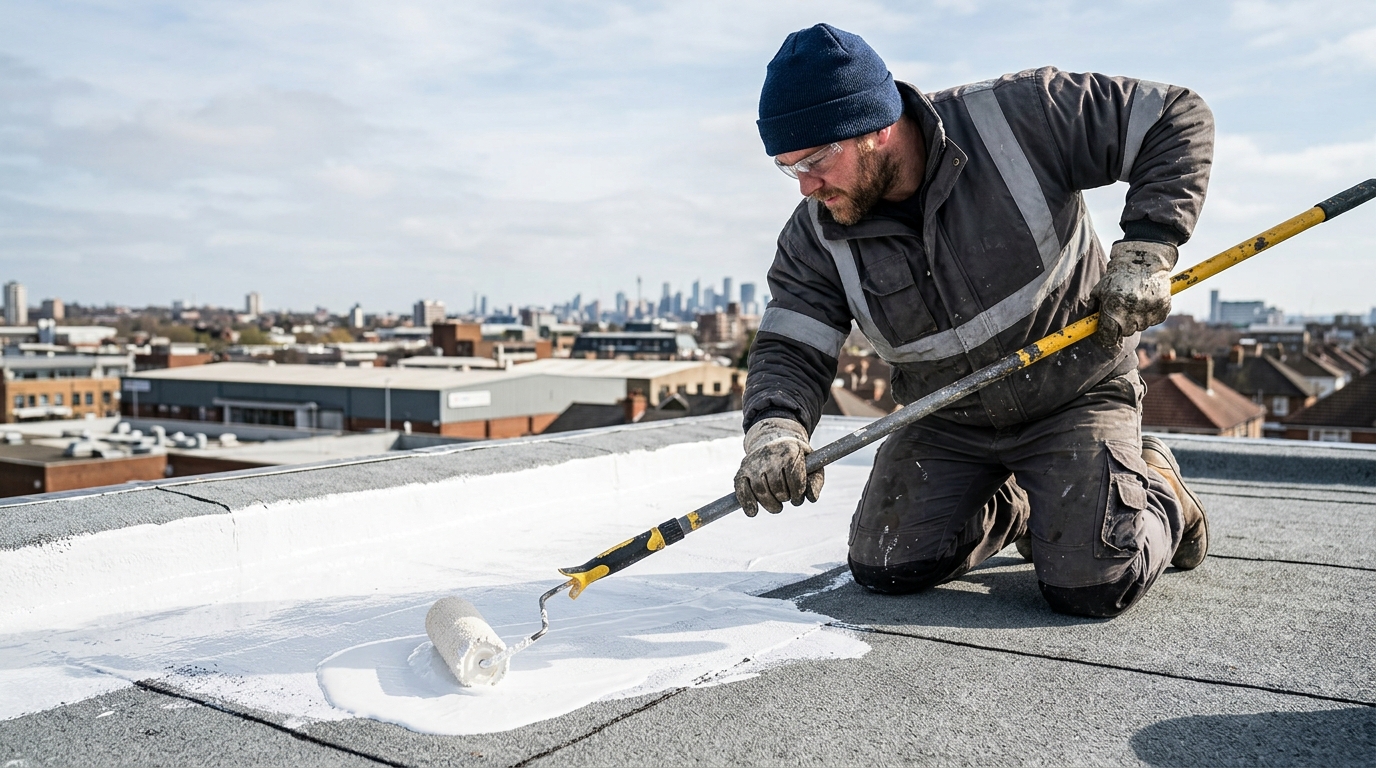
Installation efficiency remains a key selling point for contractors across the globe. Unlike traditional roofing materials, silicone coatings can be applied quickly with sprayers or rollers. This process minimizes disruption to building occupants and lowers labor expenses for large-scale commercial projects. The liquid application allows the material to fill cracks and seams effectively.
"The adoption of silicone-based solutions represents a significant shift in how we approach building maintenance and climate resilience. These materials offer a unique combination of flexibility and resistance that traditional asphalt-based products simply cannot match in the current environment."
— Michael Sterling, Lead Analyst at Allied Market Research
Regional Performance and Material Advantages
North America currently holds a substantial share of the global market due to its aging commercial infrastructure. Many facilities in this region require cost-effective restoration methods to stay operational. The presence of major chemical manufacturers in the United States further supports the availability of high-quality coating supplies. Local production helps mitigate supply chain issues and reduces shipping costs for large orders.
The Asia-Pacific region is projected to witness the fastest growth rate in the coming years. Rapid urbanization and industrialization in countries like China and India are fueling the demand for modern construction chemicals. Government initiatives aimed at improving building safety and energy standards contribute to this regional surge in construction activity. These markets represent a major opportunity for global manufacturers.
Performance characteristics such as resistance to ponding water distinguish silicone from other coating types like acrylics. Silicone does not break down or soften when exposed to standing water on flat roofs. This durability makes it an ideal choice for areas with high rainfall or poor drainage systems that often plague older buildings. The chemical structure of silicone remains stable under extreme environmental stress.
The Allied Market Research data indicates that the industrial segment is a major consumer of these protective coatings. Large warehouses and manufacturing plants utilize silicone to protect sensitive equipment from water intrusion. The long-term savings on repair costs justify the initial investment for these high-value assets. Protecting industrial assets is a priority for facility managers worldwide.
Looking ahead, the silicone roof coating market will likely benefit from advancements in application technology and material science. As global temperatures continue to rise, the demand for cool roof technologies will become a standard requirement in urban planning. Companies that focus on improving the adhesion and longevity of these coatings will likely secure a dominant position in the industry. The industry is poised for a period of steady evolution as it addresses the dual challenges of sustainability and structural integrity in an uncertain climate.