

At a Glance
- Global market projected to maintain a steady 4.30% CAGR through the forecast period.
- Construction sector demand for cement reinforcement acts as a primary growth driver.
- Asia-Pacific region dominates production and consumption due to urbanization.
The global polyvinyl alcohol (PVA) fiber market is experiencing steady growth as industrial applications for high-performance synthetic materials expand across several continents. Recent market analysis indicates the sector will maintain a compound annual growth rate of 4.30% through the year 2029. This trajectory is largely fueled by the construction industry’s shift toward more durable building materials. Manufacturers are increasingly adopting these fibers to enhance the structural integrity of cement and concrete products in large-scale infrastructure projects.
Industrial Growth Drivers and Material Advantages
The construction sector remains the primary consumer of PVA fibers due to their unique physical properties. These fibers offer high tensile strength and superior bonding capabilities when mixed with cementitious materials. Engineers prefer them over traditional steel reinforcement because they do not corrode or degrade in harsh environmental conditions. This durability ensures that buildings and bridges maintain their safety standards for longer durations.
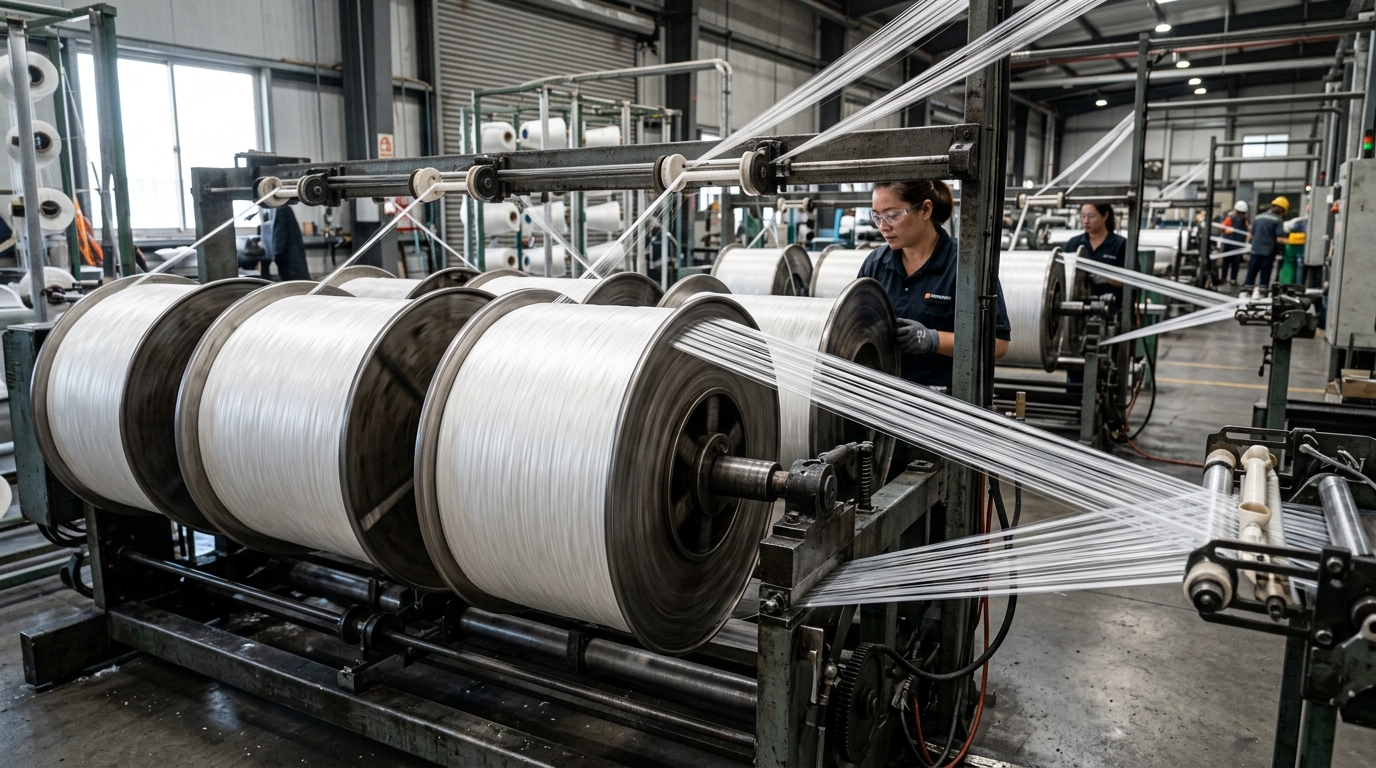
Textile manufacturing also contributes significantly to the rising demand for these synthetic materials. High-strength PVA filaments are used to produce specialized fabrics that require resistance to chemicals and abrasion. These applications include industrial protective gear and heavy-duty sewing threads for marine environments. The versatility of the fiber allows it to be used in both water-soluble and insoluble forms depending on the final product requirements.
Market researchers at Data Bridge Market Research suggest that regional shifts are influencing global supply chains. The Asia-Pacific region currently leads the market in both production and consumption. Rapid urbanization in countries like China and India has led to a surge in residential and commercial development. Local governments are investing heavily in transportation networks that utilize fiber-reinforced concrete for increased longevity.
"The rising demand for high-strength, environmentally friendly materials in the construction and textile industries is a primary factor driving the polyvinyl alcohol fiber market. As global infrastructure projects increase in complexity, the need for chemical-resistant and durable reinforcement solutions becomes more apparent."
— Senior Analyst, Data Bridge Market Research
Segmentation and Regional Market Trends
Market segmentation reveals a clear preference for specific fiber types based on industrial needs. Staple fibers are commonly utilized in the paper and construction industries for reinforcement and binding. Meanwhile, filament fibers find their niche in high-end textile and industrial cordage applications. Each segment shows distinct growth patterns as technological advancements improve the manufacturing process for these synthetic materials.
Environmental regulations are also shaping the way companies approach production and disposal. PVA fiber is recognized for being more environmentally compatible than many other synthetic alternatives. Its ability to be engineered for water solubility makes it a preferred choice for temporary packaging and surgical applications. This adaptability helps manufacturers meet stricter sustainability targets imposed by international regulatory bodies.
European and North American markets are focusing on specialized applications and high-tech industrial uses. While their growth rates might be slower than the Asia-Pacific region, they maintain a high value due to advanced aerospace and automotive requirements. These regions prioritize research and development to create fibers with even higher heat resistance. This focus on performance ensures that Western manufacturers remain competitive in the global marketplace.
Looking toward the end of the decade, the PVA fiber industry appears positioned for sustained stability. While fluctuating raw material prices may present occasional challenges, the fundamental demand from the construction and textile sectors remains strong. Continued investment in material science will likely lead to new applications in medical and filtration technologies. Stakeholders should monitor regional economic shifts as emerging markets continue to expand their industrial capacities and infrastructure needs.