
At a Glance
- Global market valuation projected to reach $36.05 billion by 2032.
- Digital printing technology drives transition from traditional methods.
- Packaging sector emerges as a primary catalyst for equipment demand.
The global printing machine market is poised for steady expansion, with valuations expected to rise from $23.98 billion in 2023 to $36.05 billion by the end of 2032. This growth represents a compound annual growth rate of 4.63% over the nine-year forecast period. Market analysts point to the increasing demand for high-quality packaging and the rapid adoption of digital solutions as primary drivers. As industrial requirements shift toward shorter print runs and customization, manufacturers are adapting their equipment to meet these evolving commercial needs.
Industrial Shifts and Technology Trends
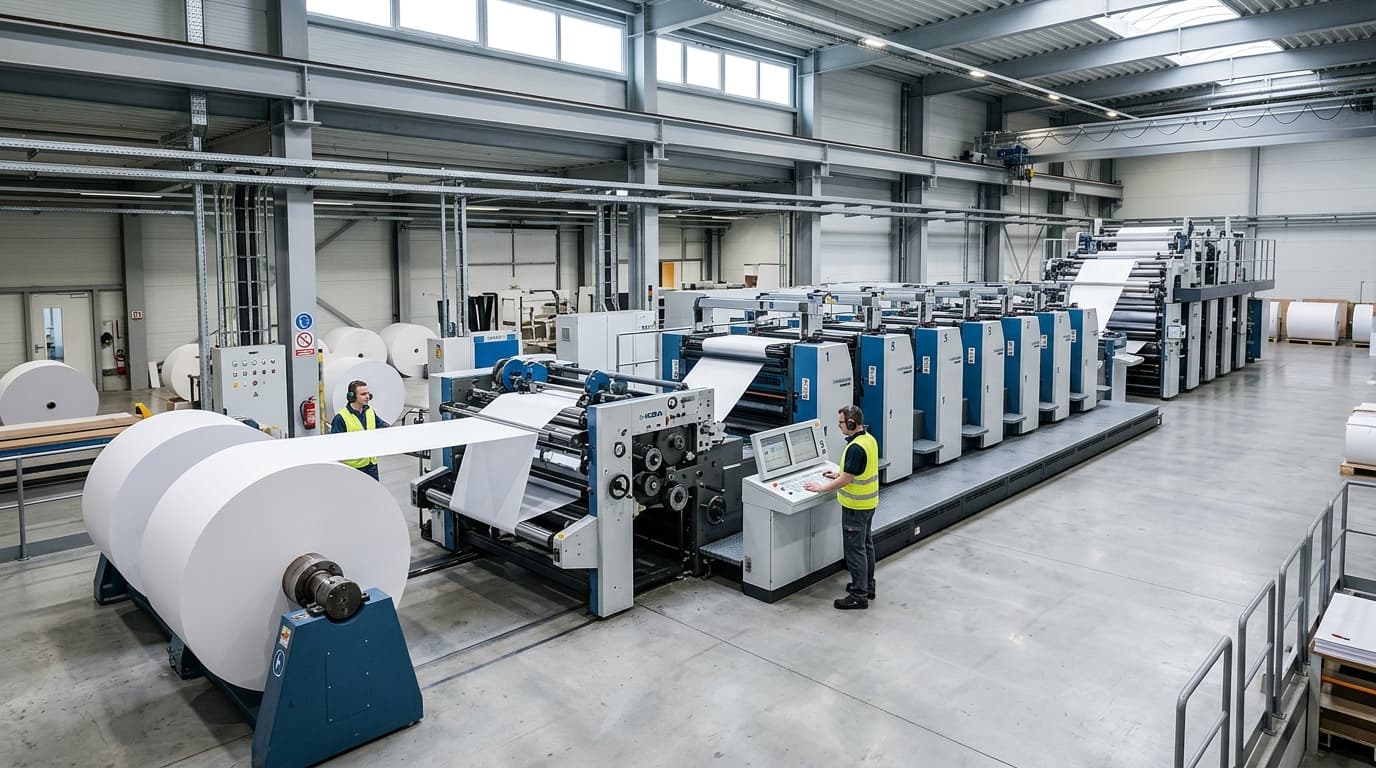
The transition from traditional offset printing to digital alternatives marks a significant turning point for the industry. Digital machines offer greater flexibility for small-batch production and personalized marketing materials, which are increasingly favored by modern brands. This shift allows companies to reduce waste and lower inventory costs while maintaining high output quality.
Packaging remains the dominant application segment for new machinery installations across the globe. The rise of e-commerce has forced logistics providers and retailers to invest in sophisticated labeling and corrugated box printing. WiseGuy Reports indicates that the demand for sustainable packaging materials is also influencing machine design. Manufacturers now prioritize energy efficiency and compatibility with recyclable substrates to meet environmental standards.
Commercial printing services are integrating automated workflows to maintain profitability in a competitive environment. These systems reduce manual intervention and minimize errors during high-speed production cycles. By adopting these advanced tools, service providers can handle a wider variety of substrates, including plastics and textiles. This diversification helps businesses capture new revenue streams beyond traditional paper-based media.
"The integration of digital technology into traditional printing workflows is no longer optional for companies seeking to remain competitive in a fast-paced market. We are seeing a clear trend where speed and customization define the success of machinery manufacturers across the globe."
— Senior Research Analyst, WiseGuy Reports
Regional Growth and Competitive Dynamics
The Asia-Pacific region continues to lead the global market in terms of both production and consumption. Rapid industrialization in nations like China and India has spurred significant investments in manufacturing infrastructure. These countries serve as central hubs for global packaging supply chains, necessitating the use of high-volume printing equipment. Local manufacturers are also increasing their market share by offering cost-effective alternatives to established Western machinery.
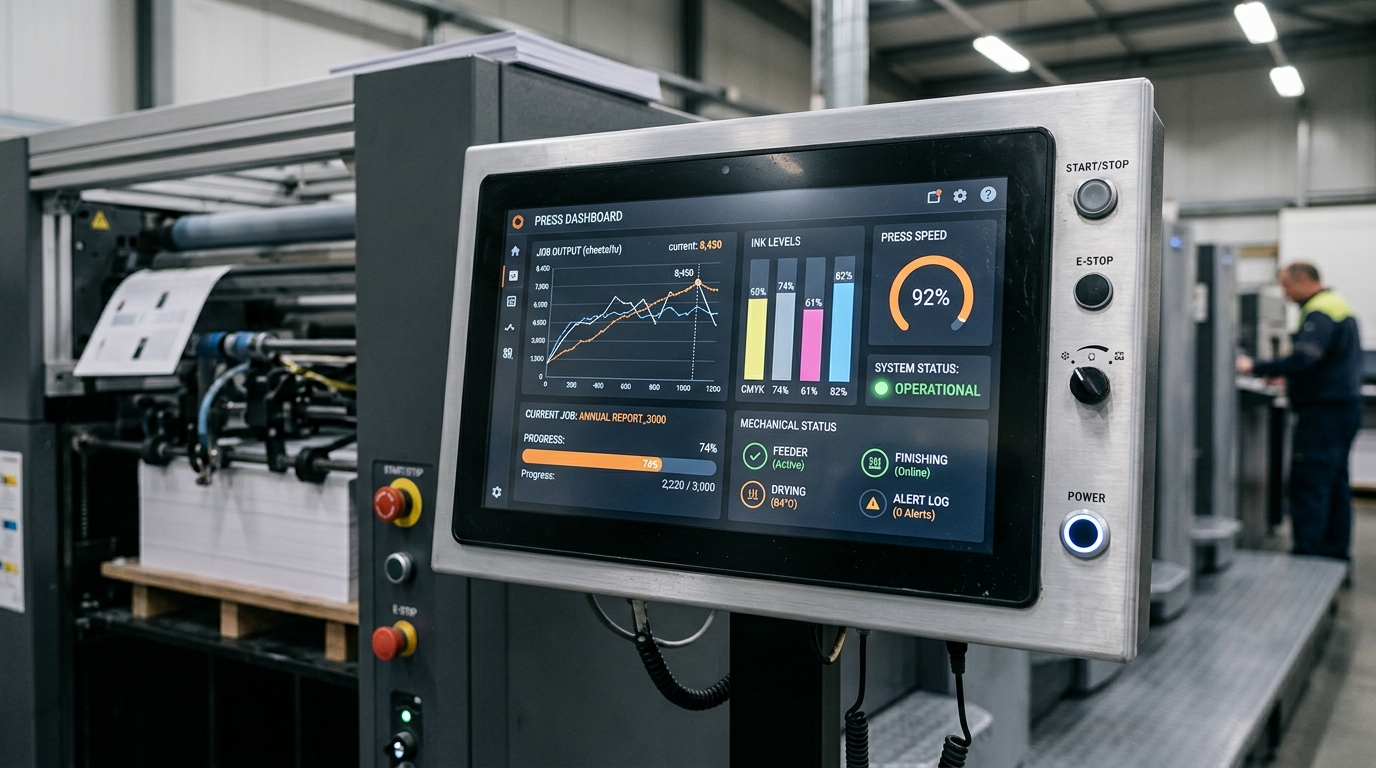
North America and Europe maintain steady growth through a focus on high-end digital solutions and specialized industrial applications. These markets prioritize technological sophistication and integration with broader manufacturing execution systems. Companies are investing in equipment that supports smart factory initiatives and Internet of Things connectivity. This allows for real-time monitoring of machine performance and predictive maintenance schedules to reduce downtime.
The competitive environment features established players such as Canon Inc., HP Development Company, and Heidelberger Druckmaschinen AG. These organizations are focusing on strategic partnerships and product diversification to maintain their market positions. Mergers and acquisitions are common as larger firms seek to acquire niche technologies in the digital and 3D printing spaces. This consolidation helps companies offer a broader suite of solutions to international clients across various sectors.
Looking ahead, the printing machine industry will likely be shaped by advancements in automation and the push for environmentally friendly production methods. As the global economy stabilizes, the demand for printed electronics and advanced functional printing is expected to create new opportunities. Stakeholders must remain agile to capitalize on these emerging segments while managing the costs of technological transitions. The next decade will define which players successfully bridge the gap between traditional mechanical reliability and modern digital efficiency.