At a Glance
- Market expansion driven by rising disposable income and luxury travel demand
- North America maintains dominant market share while Asia-Pacific sees rapid growth
- Major operators invest in fleet modernization to meet environmental standards
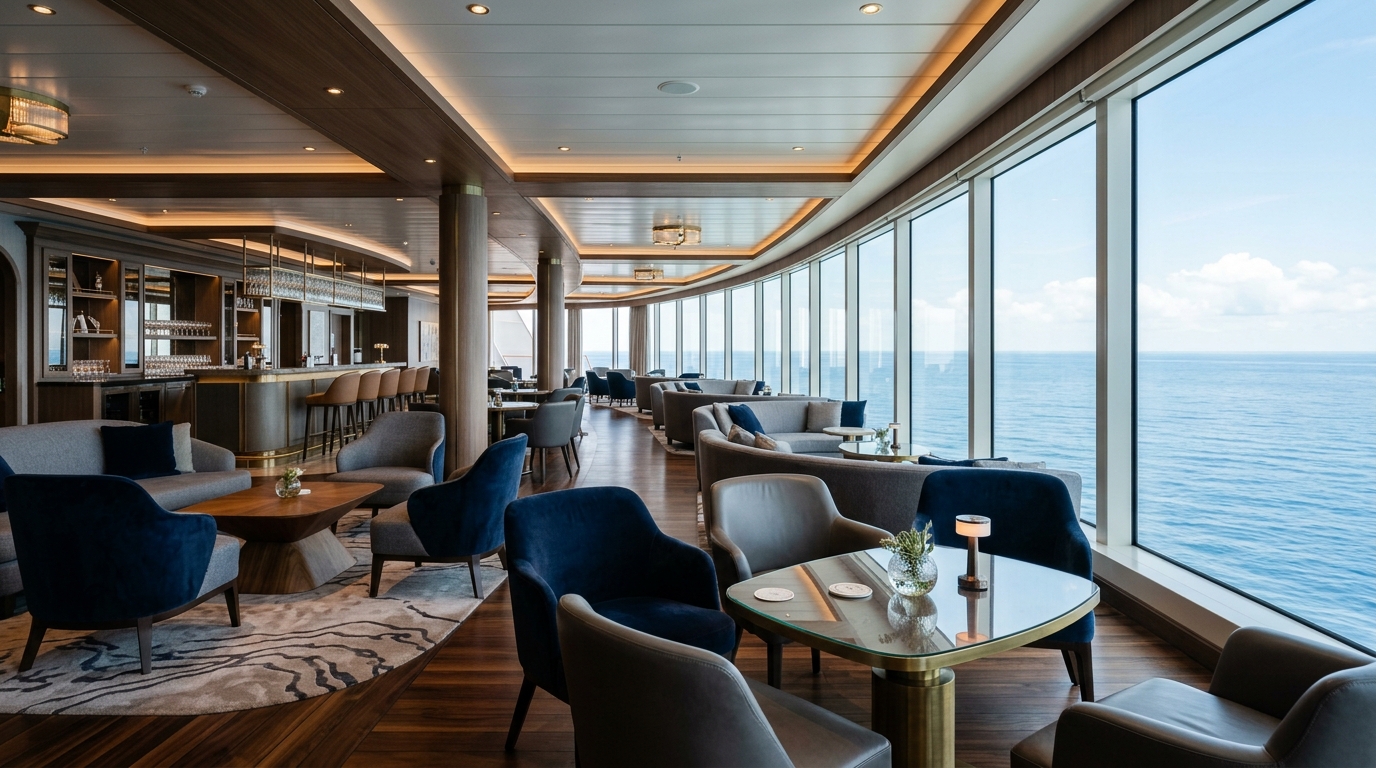
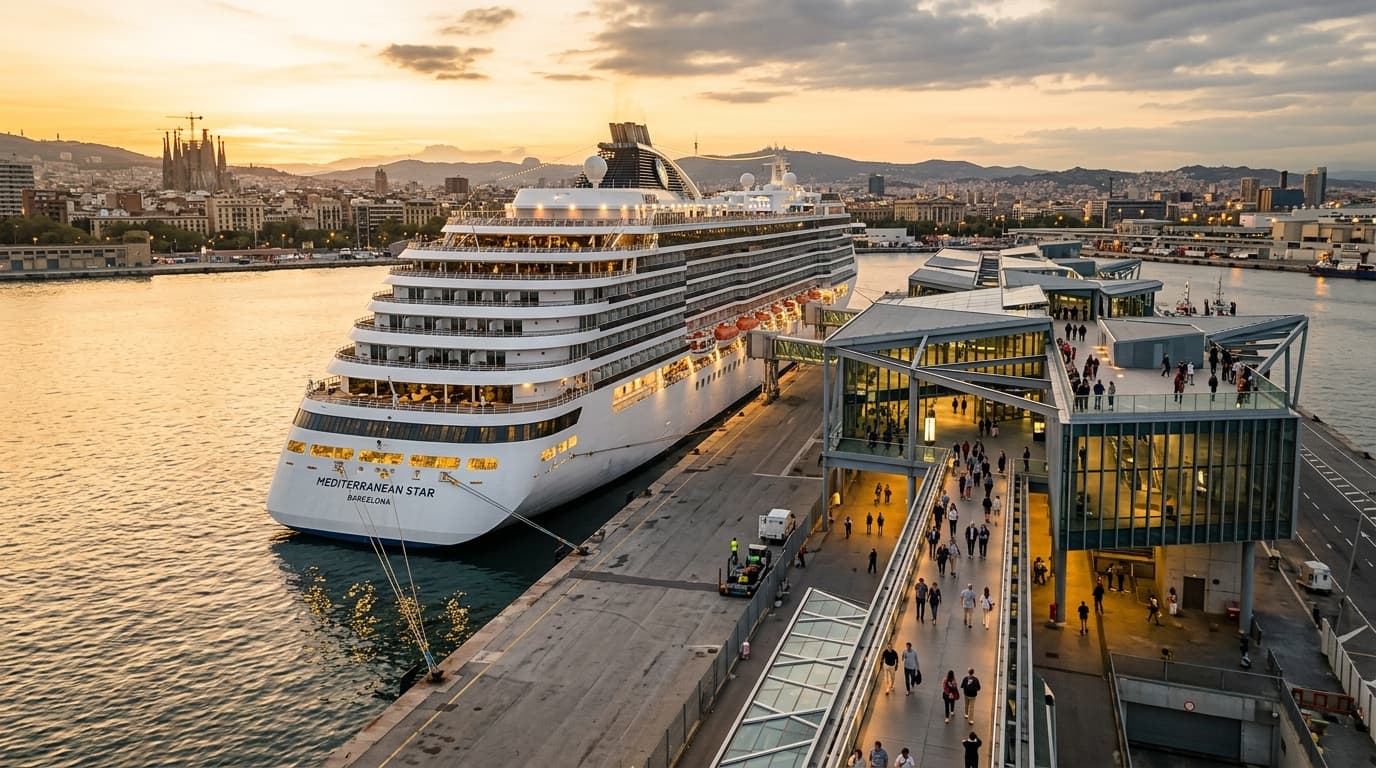
The global premium cruise market is entering a phase of significant expansion as passenger demand for high-end travel experiences increases. A recent report indicates that the industry is poised for steady growth between 2024 and 2032. This trend is driven by rising disposable incomes and a shift in consumer preferences toward luxury maritime vacations. Major operators are currently investing in fleet modernizations to meet these evolving requirements and maintain market relevance.
Market Segmentation and Key Players
The premium cruise industry is divided into distinct segments, primarily ocean and river cruises. Ocean cruises continue to hold a dominant share due to their vast capacity and diverse destination offerings across major international waters. River cruises are gaining traction among travelers seeking more intimate and culturally immersive experiences in European and Asian waterways.
Leading organizations such as HTF Market Intelligence monitor the performance of top-tier operators across the globe. Carnival Corporation and Royal Caribbean Group remain the primary market leaders by fleet size and passenger volume. Other significant contributors include Norwegian Cruise Line Holdings and MSC Cruises, which are expanding their global footprint with new ship launches.
Regional analysis shows that North America remains the largest market for premium cruises due to a well-established customer base. However, the Asia-Pacific region is expected to register the fastest growth rate over the forecast period. This shift is attributed to the development of new port infrastructure and rising middle-class wealth in emerging economies.
Demand for group travel is rising alongside individual bookings in the current market environment. Corporate retreats and large family gatherings are becoming a staple of the premium segment for many operators. Companies are responding by offering tailored amenities and specialized event spaces on their newest vessels to accommodate these large parties.
"The premium cruise market is witnessing a shift towards personalized experiences and sustainable practices as travelers prioritize value over volume. Our latest data suggests that fleet expansion will be a primary driver of revenue growth in the coming decade."