
At a Glance
- Global demand for fuel-efficient freight solutions drives market expansion.
- Europe maintains a leading position due to advanced infrastructure.
- Autonomous technology integration reduces operational costs for fleets.
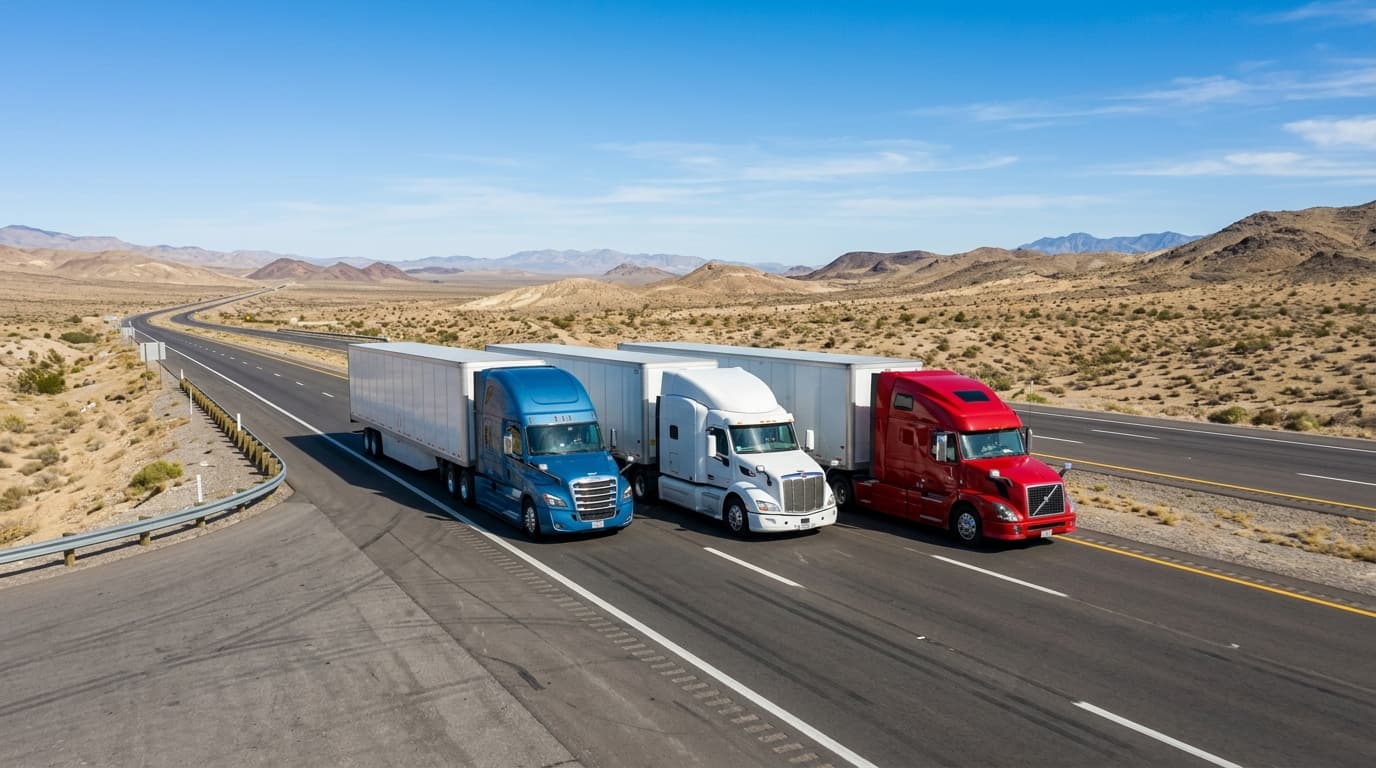
The global automotive platooning system market is poised for substantial expansion as logistics companies seek to reduce operational costs and carbon footprints. Recent data indicates that the integration of automated driving technology and vehicle-to-vehicle communication will drive this sector through 2026. Governments are increasingly supporting these initiatives to improve road safety and traffic flow on major highways. Industry analysts expect the market to reach multi-billion dollar valuations as testing phases transition into full-scale commercial deployments across major shipping corridors.
Regional Demand and Infrastructure Development
Europe currently leads the global market due to its advanced transportation infrastructure and strict environmental regulations. The European Union has funded several projects to test multi-brand platooning on public roads. These initiatives demonstrate how trucks from different manufacturers can communicate and travel in close proximity. This collaborative approach helps establish technical standards that benefit the entire industry.
North America is catching up quickly as freight companies look for ways to combat the ongoing driver shortage. By allowing one lead driver to guide several following vehicles, companies can maximize their existing workforce. State legislatures in the United States are also updating traffic laws to permit closer following distances for autonomous convoys. Organizations like Market Research Future track these regulatory shifts to provide accurate market forecasts for investors.
The Asia-Pacific region represents a massive growth opportunity as countries like China and Japan invest in smart city infrastructure. Rising urbanization and the need for efficient goods delivery are pushing local manufacturers to develop proprietary platooning hardware. This regional push is expected to create a competitive pricing environment for global suppliers. Local governments are offering subsidies to encourage the adoption of fuel-efficient trucking technologies.
Infrastructure requirements remain a primary focus for stakeholders during this transition period. Reliable 5G connectivity and dedicated short-range communications are necessary for safe operation. Many nations are now prioritizing high-speed data coverage along major shipping corridors to support these systems. These investments are vital for the long-term viability of automated freight networks.
"The integration of advanced driver assistance systems with vehicle-to-vehicle communication is transforming how we perceive long-haul freight logistics."
— Akash Anand, Head of Research at Market Research Future
Technological Advancements and Safety Protocols
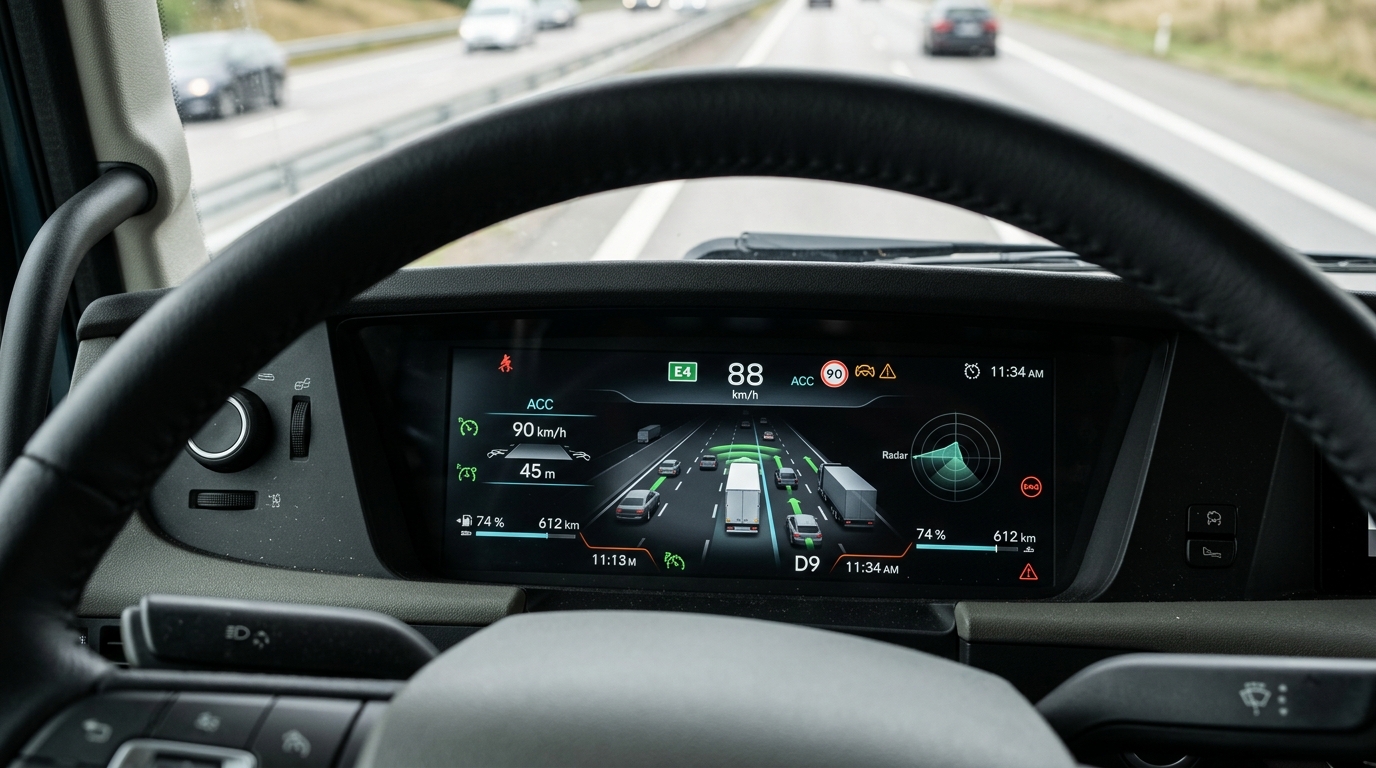
Modern platooning systems rely on a combination of radar, LIDAR, and sophisticated software to maintain precise distances between vehicles. These sensors allow the trailing trucks to react almost instantaneously to the lead vehicle’s braking or acceleration. This synchronization significantly reduces the aerodynamic drag for the entire convoy. Reduced drag directly translates to lower energy consumption and less wear on engine components.
Fuel savings remain the most attractive benefit for fleet operators looking to improve their bottom line. Studies show that the lead truck can save up to five percent on fuel, while following trucks can see improvements of ten percent or more. These margins are substantial for companies managing hundreds of vehicles across transcontinental routes. Over a fiscal year, these savings can amount to millions of dollars in reduced overhead.
Safety protocols are being refined to ensure that platoons can interact safely with human-driven passenger cars. Advanced algorithms now handle scenarios where other vehicles cut into the convoy or when weather conditions degrade sensor performance. Manufacturers are conducting millions of miles of virtual and real-world testing to validate these safety features. This rigorous testing phase is necessary to gain public trust and regulatory approval.
Hardware components such as electronic braking systems and automated steering are becoming standardized across the industry. This standardization allows for better interoperability between different vehicle brands. As these components become more affordable, mid-sized fleets are expected to begin adopting the technology. The increased production volume will likely drive down costs for the entire supply chain.
Looking ahead, the automotive platooning system market will likely move toward fully autonomous operations without human intervention in trailing vehicles. This shift will require further regulatory alignment across international borders to ensure transit remains efficient. While challenges regarding cybersecurity and data privacy persist, the economic incentives for adoption are too large to ignore. The next five years will be a defining period for the future of automated commercial transportation.