
At a Glance
- Market value set to expand through 2032 due to aerospace demand.
- Asia-Pacific emerges as the fastest-growing regional segment.
- High-temperature stability drives adoption in electronics and defense.
The global phthalonitrile resin market is poised for steady expansion, with analysts projecting a compound annual growth rate of 5.24% between 2024 and 2032. This growth stems from the increasing demand for high-performance materials capable of withstanding extreme thermal environments. Industries such as aerospace and electronics are prioritizing these resins for their superior fire resistance and mechanical strength. As manufacturing processes evolve, the adoption of these specialized polymers continues to rise across international borders.
Drivers of Global Industrial Adoption
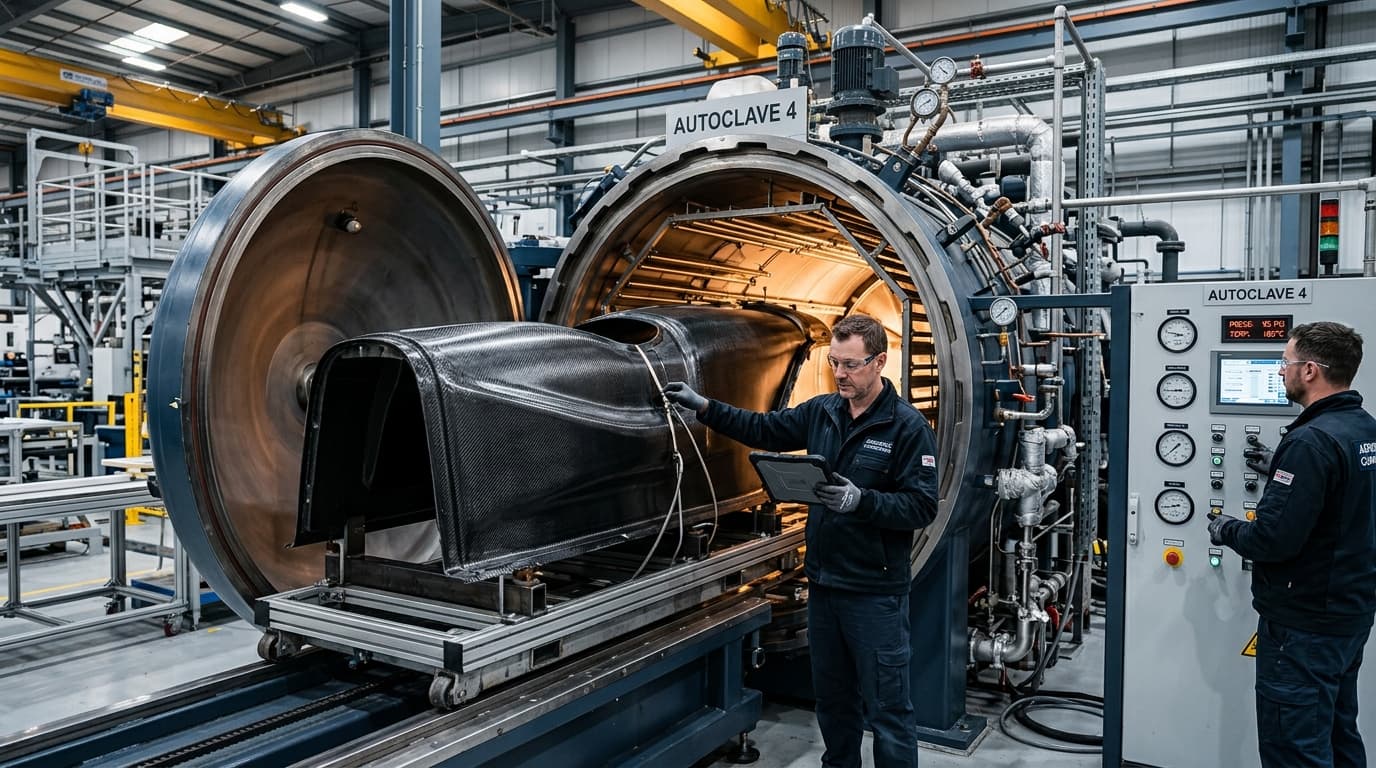
Phthalonitrile resins are gaining traction because they offer exceptional thermal stability compared to traditional epoxy systems. These materials maintain structural integrity at temperatures exceeding 300 degrees Celsius, making them ideal for engine components. The aerospace sector remains the primary consumer, utilizing these resins in composite structures for both commercial and military aircraft.
The electronics industry is also integrating these resins into circuit boards and insulating materials. Their low dielectric constant and moisture resistance ensure reliability in sensitive electronic hardware. Manufacturers are increasingly seeking alternatives to conventional materials to meet more stringent safety and performance standards across their product lines.
Market Research Future reports that the push for lightweight automotive components is further fueling market interest. By replacing heavier metal parts with resin-based composites, automakers can significantly improve fuel efficiency and reduce carbon emissions. This transition is particularly evident in the high-end performance vehicle segment where weight reduction is a primary engineering goal.
Advances in polymerization techniques have lowered the barriers to entry for new market participants. Processing these resins used to require complex curing cycles, but newer formulations allow for more efficient production. This technical evolution is broadening the scope of application beyond niche industrial uses into more mainstream manufacturing sectors.
"The demand for phthalonitrile resins is accelerating as industries seek materials that combine high-temperature resistance with excellent mechanical properties. This shift is particularly visible in the aerospace and defense sectors, where safety and performance are non-negotiable requirements for new projects."
— Senior Research Analyst, Market Research Future

Regional Market Dynamics and Competition
North America currently holds a significant share of the global market due to its advanced aerospace infrastructure. Major players like Hexcel Corporation and Solvay maintain large operations in this region to support domestic defense contracts. These companies are investing in research and development to create next-generation resin systems for high-stress applications.
The Asia-Pacific region is expected to witness the highest growth rate during the forecast period. Rapid industrialization in China and India is driving the demand for advanced materials in the electronics and energy sectors. Local governments are also providing incentives for the development of domestic chemical manufacturing capabilities to reduce reliance on imports.
Europe maintains a strong position through its commitment to automotive innovation and environmental regulations. Strict fire safety standards in the European Union encourage the use of phthalonitrile resins in public transportation and building infrastructure. This regulatory environment creates a stable demand for high-performance polymer solutions that meet specific safety criteria.
Competitive intensity is rising as companies focus on strategic mergers and acquisitions to expand their reach. By consolidating expertise, firms aim to offer a broader portfolio of composite materials to global clients. Market participants are also prioritizing the reliable sourcing of raw materials to align with global corporate responsibility goals and supply chain stability.
Looking ahead, the phthalonitrile resin market faces a positive outlook as material science continues to advance. Ongoing research into easier processing methods will likely open new doors in the consumer electronics and renewable energy sectors. While high initial costs remain a factor, the long-term benefits of durability and safety often outweigh the price premium. Stakeholders should expect continued investment in this sector as global industrial requirements become more demanding through 2032.