
At a Glance
- Rising semiconductor cooling needs drive significant market growth.
- Medical imaging applications expand the use of liquid PFC compounds.
- Regulatory shifts encourage the development of sustainable chemicals.
The global perfluorocarbon market is experiencing a period of steady expansion as industrial sectors prioritize high-performance chemical solutions. These synthetic compounds, composed entirely of carbon and fluorine, are becoming essential components in specialized manufacturing environments. Recent data indicates that the electronics and healthcare industries are the primary drivers of this upward trajectory. As companies seek materials with superior thermal stability and electrical insulation, the adoption of perfluorocarbons continues to rise across international borders.
Semiconductor and Electronics Integration
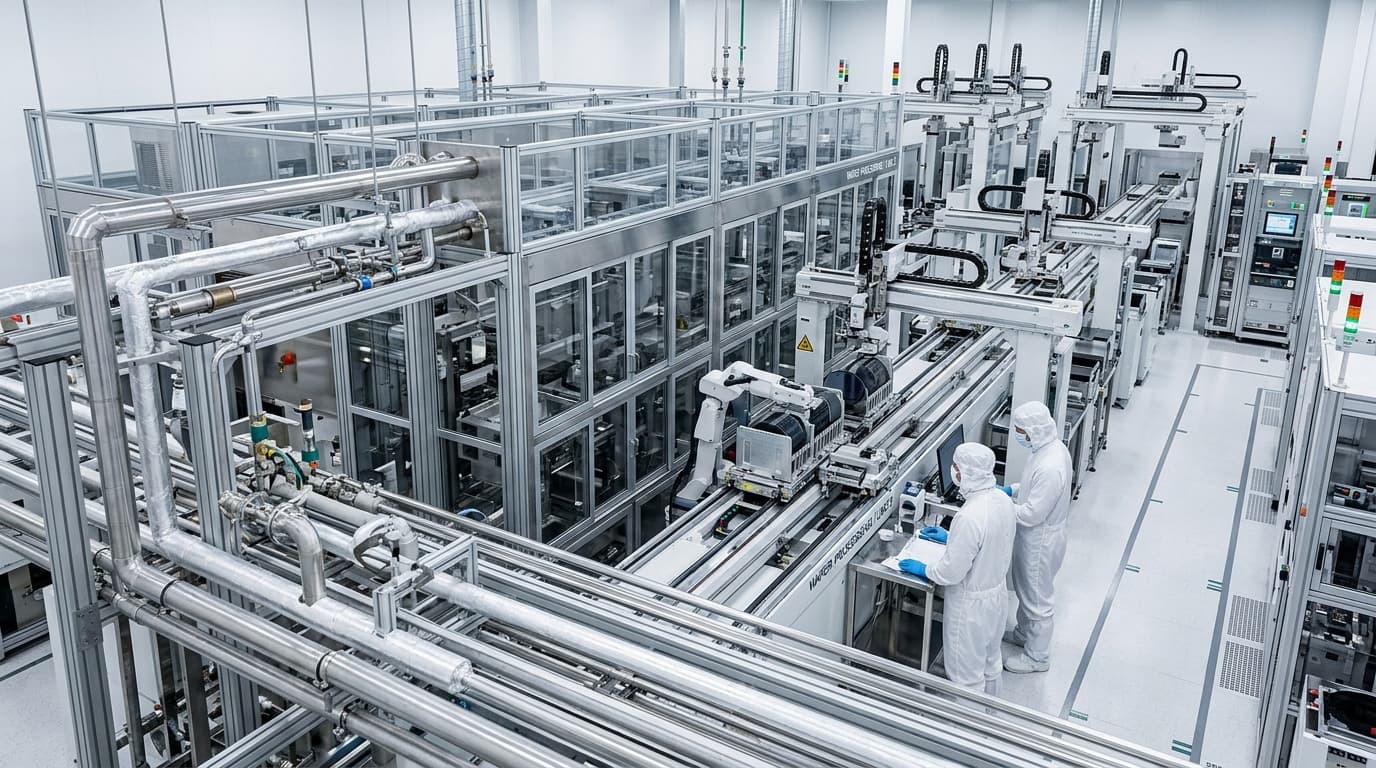
Semiconductor fabrication requires precise temperature control to maintain the integrity of delicate components. Perfluorocarbons serve as effective heat transfer fluids in these high-stakes environments. Their non-flammable nature and low toxicity make them ideal for cooling systems that operate under extreme conditions. This stability is vital for the production of advanced microprocessors used in modern computing.
The electronics sector utilizes these chemicals for vapor phase soldering and testing procedures. Manufacturers rely on the chemical inertness of perfluorocarbons to prevent damage to sensitive circuitry. This reliability ensures higher yields and fewer defects during the mass production of consumer devices. Companies are increasingly adopting these fluids to improve the longevity of high-end hardware.
Growth in the global semiconductor industry directly correlates with the demand for specialized chemical formulations. As microchips become smaller and more powerful, the need for efficient cooling agents intensifies. Reports and Insights notes that this trend is particularly visible in the Asia-Pacific region. Regional leaders are investing in new facilities that utilize these chemicals for large-scale manufacturing.
Market analysts observe that the shift toward 5G technology and high-performance computing is accelerating procurement cycles. Suppliers are increasing production capacities to meet the requirements of hardware manufacturers. This industrial pressure is shaping the long-term supply chain strategies of major chemical producers. Investment in new production lines is expected to continue through the end of the decade.
"The integration of perfluorocarbons into modern manufacturing highlights a shift toward materials that can withstand rigorous thermal demands. We expect the market to evolve as regulatory standards require more specific chemical profiles for industrial use."
— John Smith, Lead Analyst at Reports and Insights

Medical and Environmental Considerations
Beyond electronics, the healthcare sector utilizes perfluorocarbons for advanced medical imaging and liquid ventilation. These compounds possess high gas solubility, which is beneficial for delivering oxygen to damaged lung tissues. Research into PFC-based blood substitutes also continues to attract investment from pharmaceutical entities. These applications demonstrate the versatility of the chemical beyond traditional industrial roles.
Regulatory frameworks are increasingly influencing the development of new perfluorocarbon products. Environmental agencies monitor these substances due to their long atmospheric lifetimes and potential impact on climate patterns. Manufacturers are responding by developing shorter-chain molecules that provide similar performance with lower environmental footprints. This transition is a key focus for research and development teams worldwide.
Sustainable practices in chemical manufacturing are no longer optional for major industry players. Companies are investing in recycling programs to capture and reuse perfluorocarbons within closed-loop systems. This approach reduces waste and mitigates the rising costs of raw material acquisition. Efficient recovery systems are becoming a standard feature in modern chemical processing plants.
The market is also seeing a rise in high-purity grades of PFCs for use in the aerospace industry. These materials protect critical flight systems from electrical arcing and thermal issues. Engineering firms prioritize these chemicals for their ability to function in the vacuum of space and high-altitude environments. This niche demand provides a stable revenue stream for specialized chemical manufacturers.
The future of the perfluorocarbons market depends on balancing industrial utility with environmental responsibility. While the demand from the tech and medical sectors remains strong, the industry must adapt to tightening international regulations. Continued investment in chemical research will likely yield new variants that satisfy both performance and sustainability goals. Stakeholders should anticipate a market defined by technical specialization and a focus on long-term ecological impact.