
At a Glance
- Global market valuation reached $210 million in 2023 with steady growth.
- Compound annual growth rate is projected at 8.82% over the next decade.
- Aerospace and automotive sectors drive demand for flame-retardant materials.
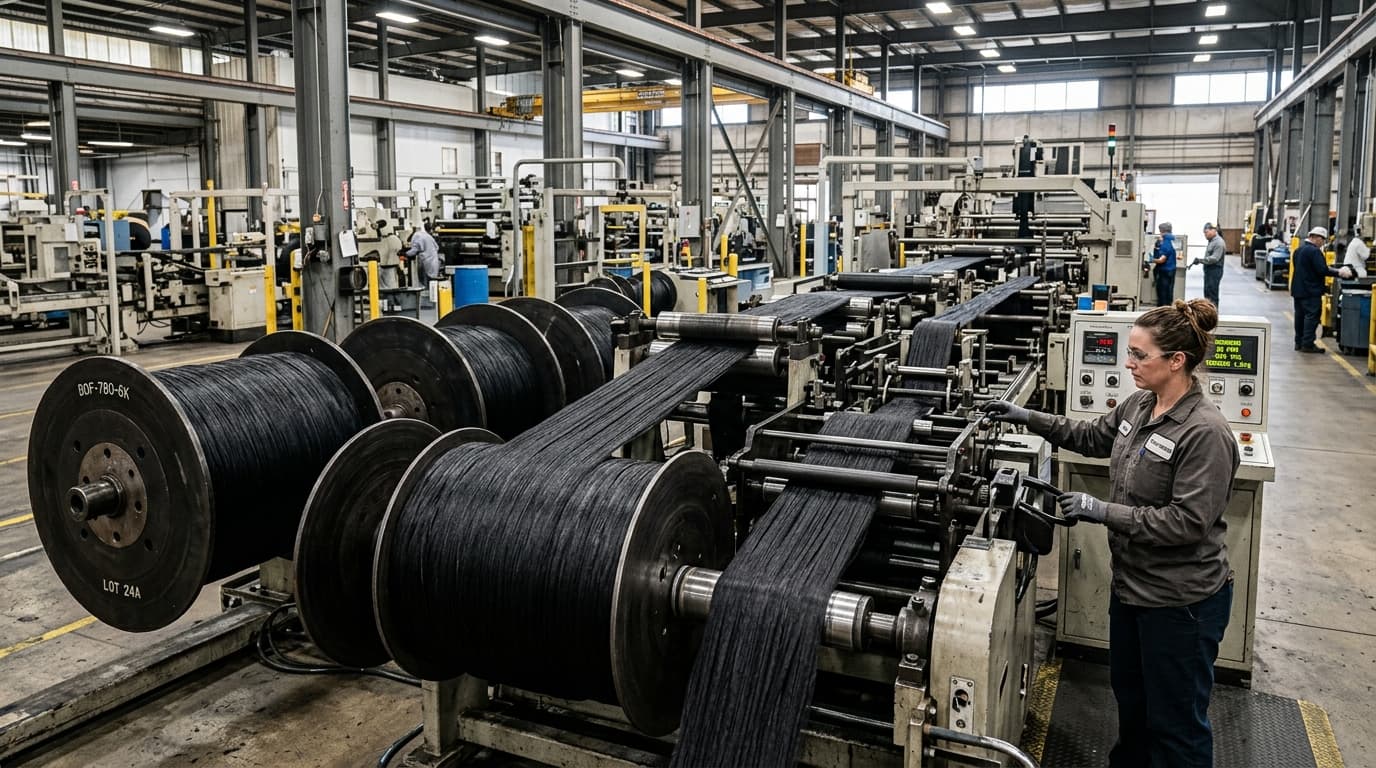
The global oxidized polyacrylonitrile (PAN) fibers market is experiencing a significant upward trajectory, reaching a valuation of $210 million in 2023. This growth is primarily fueled by the increasing demand for advanced carbon materials across several heavy industries. Market analysts project a compound annual growth rate of 8.82% over the next decade. By 2032, the total market value is expected to hit $450 million as manufacturing processes become more specialized and widespread.
Industrial Applications and Material Properties
Industrial applications for oxidized PAN fibers are expanding rapidly due to their unique flame-retardant properties and chemical stability. These fibers serve as a vital precursor in the production of high-performance carbon fibers used in structural components. Manufacturers in the aerospace and automotive sectors rely on these materials to reduce vehicle weight while maintaining structural integrity. This transition toward lighter, stronger materials is a primary factor in the sustained market expansion seen in recent years.
Beyond structural uses, the material is essential for thermal insulation and fire-resistant textiles. Safety regulations in the industrial and defense sectors mandate the use of high-quality protective clothing for personnel. Zion Market Research reports that the textile segment is seeing increased adoption within civilian fire services and military applications globally. Oxidized PAN fibers provide a high limiting oxygen index, making them ideal for environments with extreme heat exposure.
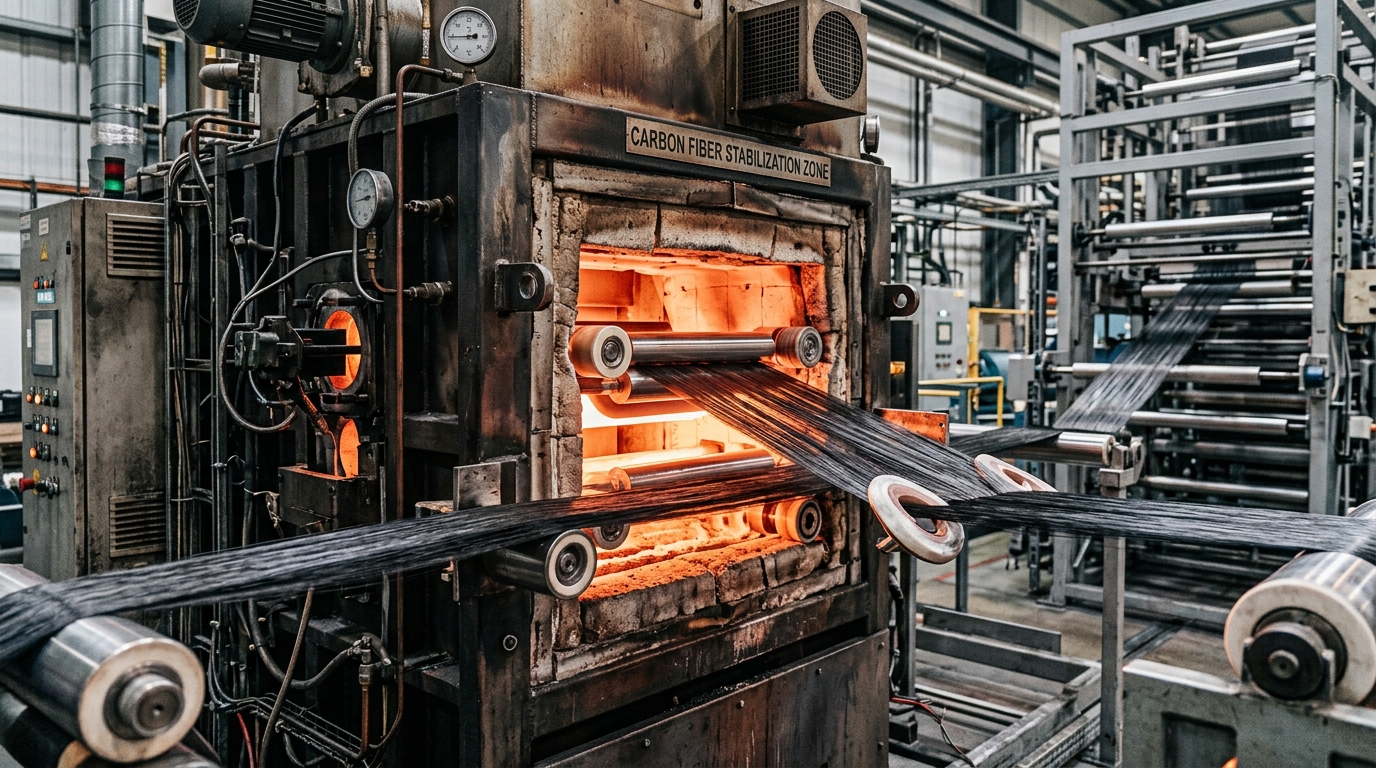
The production of these fibers involves the controlled oxidation of polyacrylonitrile at temperatures between 200 and 300 degrees Celsius. This process transforms the thermoplastic polymer into a thermoset material that does not melt or burn easily. The resulting fiber maintains its flexibility while offering superior resistance to chemical degradation. These technical advantages make it a preferred choice over traditional synthetic fibers in harsh industrial settings where durability is a requirement.
The industrial sector uses these fibers for gaskets, pump packing, and high-temperature seals. These components must withstand intense friction and heat without failing during operation. The reliability of oxidized PAN fibers in these roles reduces maintenance costs for plant operators. This practical utility ensures a steady demand from the global manufacturing base as facilities upgrade their equipment to meet modern safety standards.
"The rising integration of oxidized PAN fibers in high-temperature insulation and flame-resistant apparel is reshaping safety standards across global manufacturing hubs."
— Rajesh Kumar, Lead Analyst at Zion Market Research
Regional Market Growth and Sector Trends
North America currently holds the largest share of the global market, driven by the presence of major aerospace and defense corporations. The region benefits from significant investments in advanced material research and a well-established supply chain for carbon-based products. Government contracts for military modernization also provide a stable revenue stream for fiber producers. European markets follow closely, with a strong focus on automotive lightweighting to meet strict carbon emission targets set by regulatory bodies.
The Asia-Pacific region is anticipated to record the fastest growth rate during the forecast period. Rapid industrialization in China and India is creating a massive demand for industrial insulation and protective gear. Local manufacturers are increasing their production capacity to cater to both domestic needs and international exports. This shift in production centers is likely to influence global pricing and the overall availability of raw materials in the coming years.
Technological advancements in the stabilization process are helping manufacturers lower production costs and increase output. New techniques allow for faster processing times without compromising the mechanical properties of the fiber. These efficiency gains are making oxidized PAN fibers more accessible to medium-sized enterprises in the construction and electronics sectors. As the cost barrier lowers, the variety of commercial applications for these fibers continues to grow across different price points.
The market is also seeing a rise in the use of these fibers for carbon-carbon composites. These composites are used in high-performance braking systems for aircraft and racing vehicles. The ability to dissipate heat rapidly while maintaining friction levels is a key performance metric for these systems. This specialized niche contributes a significant portion of the value growth within the high-end materials segment.
The outlook for the oxidized PAN fibers market remains positive as industries prioritize safety and operational efficiency. Future developments will likely focus on enhancing the sustainability of the production process and recycling spent materials to reduce environmental impacts. As global infrastructure projects demand more durable and heat-resistant components, the reliance on these advanced fibers will deepen. Stakeholders should expect continued investment in manufacturing facilities to meet the projected $450 million valuation by 2032.