Market growth is fueled by high-performance sealant requirements.
Liquid polysulfides dominate the product segment due to versatility.
Asia-Pacific emerges as the fastest-growing region for chemical use.
The global organic polysulfide market is experiencing significant expansion as industries prioritize high-performance sealants for extreme environments. Recent data indicates that the sector is benefiting from increased infrastructure spending and a resurgence in aircraft manufacturing. These chemical compounds provide essential resistance to fuels, solvents, and weathering, making them indispensable in modern engineering. Market analysts expect this upward trend to continue as manufacturers seek more durable materials for long-term projects across the globe.
Aerospace and Construction Drive Market Volume
The aerospace industry remains a primary consumer of organic polysulfides due to their unique chemical properties. These materials serve as the foundation for fuel tank sealants because they maintain integrity when exposed to aviation kerosene. Engineers select these polymers for their ability to remain flexible at low temperatures while resisting degradation. This specific utility ensures that aircraft remain safe during long-haul flights across varying climates.
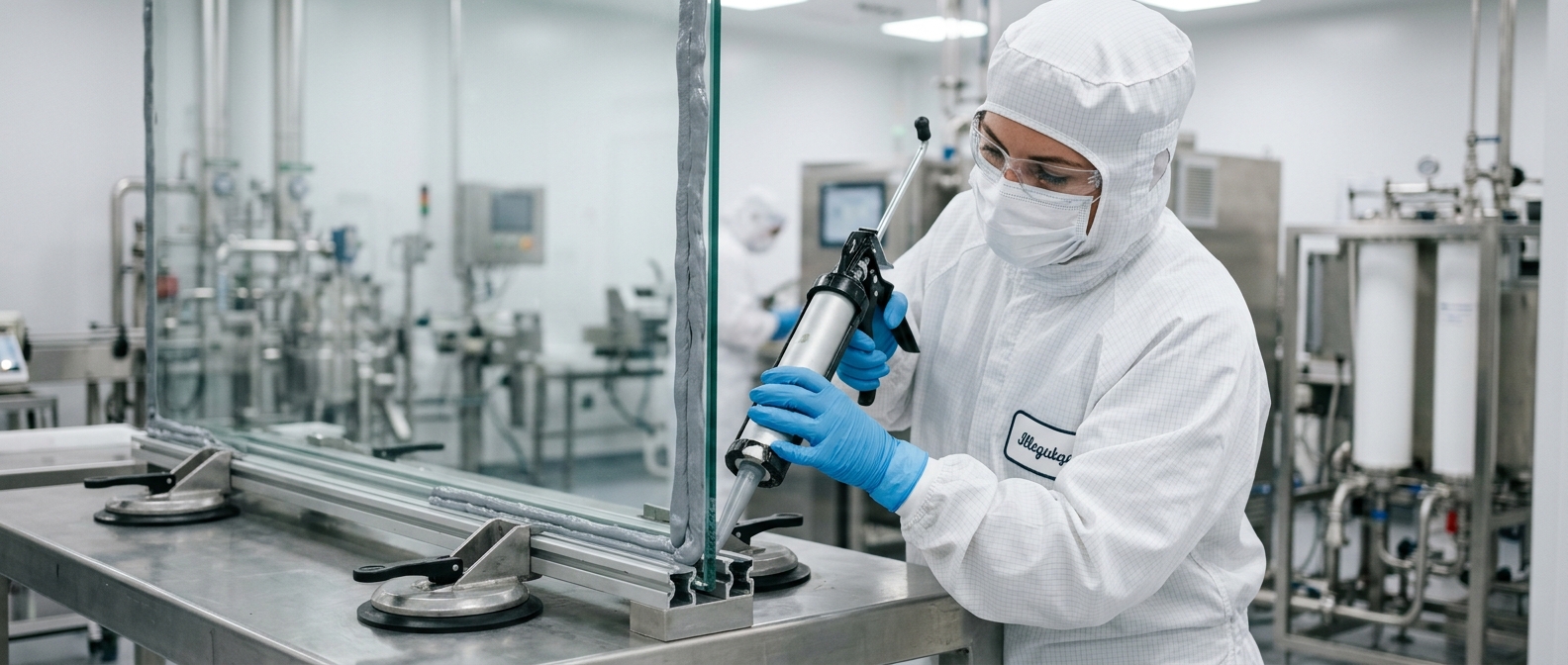
In the construction sector, the demand for insulating glass units is pushing market volumes higher. Market Research Future reports that the shift toward energy-efficient building materials has increased the use of polysulfide-based sealants. These products offer superior moisture resistance compared to many alternatives, which extends the lifespan of double-glazed windows. Developers are increasingly specifying these materials to meet stricter environmental building codes worldwide.
The automotive industry also contributes to the steady consumption of these specialty chemicals. Manufacturers use them in gaskets and seals that must withstand exposure to oils and cooling fluids. As vehicle designs become more complex, the need for reliable bonding agents grows. This cross-industry demand provides a stable foundation for chemical producers to expand their manufacturing capacity in the coming years.
"The organic polysulfide market is witnessing a shift toward sustainable formulations as environmental regulations tighten across Europe and North America."
— Senior Research Analyst, Market Research Future
Organic Polysulfide Demand Rises in Aerospace Sector
Regional Shifts and Product Development
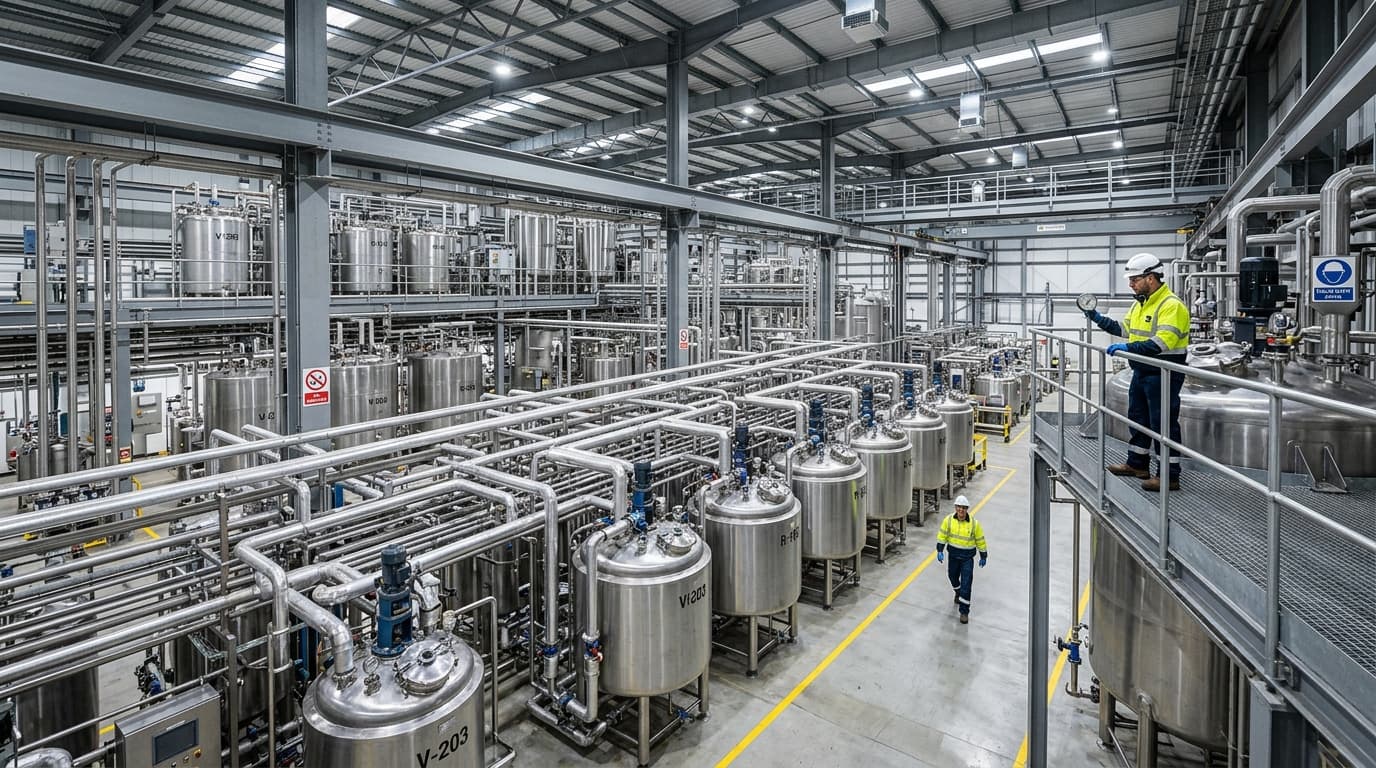
Liquid polysulfides currently represent the largest portion of the market share. These resins are easier to apply in industrial settings and offer better penetration for complex joints. Companies are focusing on improving the curing times of these liquids to increase efficiency on assembly lines. This technical advancement allows for faster production cycles in sectors like marine manufacturing and heavy machinery.
Asia-Pacific is positioned to lead the market in terms of growth rate over the next decade. Rapid urbanization in China and India has led to a surge in high-rise construction and transportation infrastructure. Local governments are investing heavily in new airports and rail networks, all of which require significant quantities of high-grade sealants. This regional shift is prompting global chemical firms to establish more local distribution centers to serve the growing demand.
North America and Europe maintain a steady market presence through high-end aerospace applications. The presence of major aircraft manufacturers in these regions ensures a consistent demand for specialized polysulfide grades. While these markets are more mature, they lead the way in adopting new safety standards for chemical handling. Producers in these regions are investing in research to reduce the volatile organic compound content in their sealant products.
The outlook for the organic polysulfide market remains positive as industrial requirements for durability increase. While raw material price volatility presents a challenge, the lack of direct substitutes in high-stress applications secures its position. Future growth will likely depend on the ability of chemical companies to adapt to changing environmental policies while maintaining the performance characteristics of their products. As global trade recovers, the demand for these specialized polymers will likely reach new peaks by the end of the decade.
Stay Ahead of the News
Get the latest business news and company spotlights delivered to your inbox. No spam, unsubscribe any time.