An AI-based algorithm significantly improves adult height prediction for girls after menarche.
Developed by Sheba Medical Center, the method integrates bone, menstrual, and chronological ages.
This advancement offers greater precision for patient counseling in pediatric endocrinology.
Researchers at the Pediatric Endocrinology, Metabolism, and Diabetes Unit at Sheba Medical Center have developed an artificial intelligence-based algorithm that significantly enhances the accuracy of predicting adult height in girls after menarche. This new method, published in the Journal of Clinical Endocrinology & Metabolism (JCEM), offers a more reliable tool for medical professionals. The advancement aims to provide clearer guidance to patients and their families regarding growth trajectories.
Advancing Prediction Accuracy
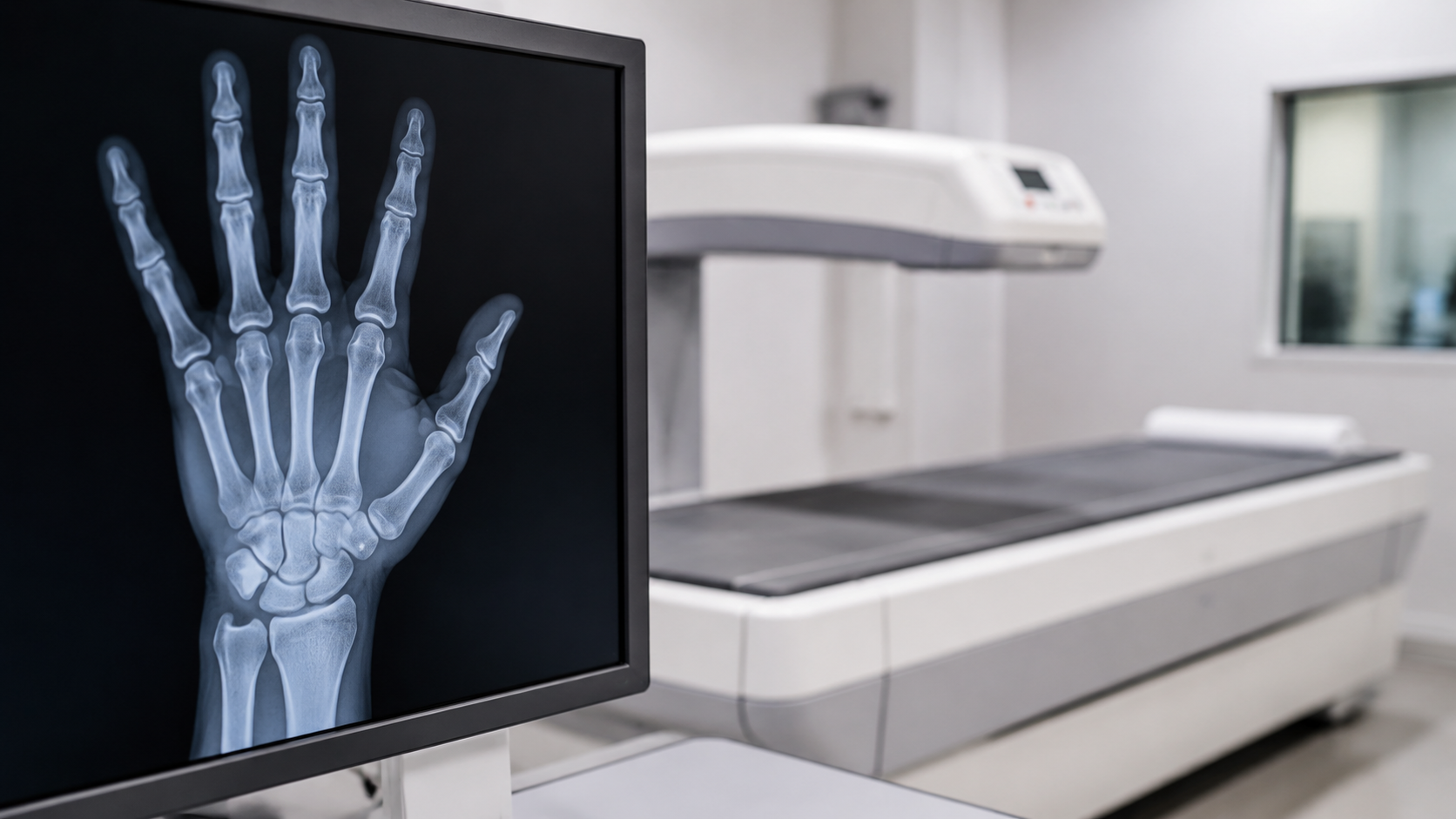
The newly developed algorithm integrates several key biological markers to refine its predictions. It considers a girl's bone age, menstrual age, and chronological age, combining these factors within an AI framework. This multi-faceted approach moves beyond single-factor assessments used in older prediction models.
Traditional methods, such as the TW3 and Bayley-Pinneau models, have been widely used but often yield less precise results. The Sheba Medical Center team's research demonstrates that their AI-driven approach significantly outperforms these established techniques. This improved accuracy marks a notable step forward in pediatric endocrinology.
The study found that 95% of the algorithm's predictions were within 2.5 centimeters (approximately one inch) of the girls' actual adult height. This level of precision offers a substantial improvement over existing tools, which frequently exhibit wider margins of error. The enhanced reliability can lead to more confident prognoses for young patients.
"Our AI-based algorithm significantly improves the accuracy of adult height prediction for girls after menarche, compared to current methods."
— Dr. Adi Nagler, Lead Author from Sheba Medical Center
New AI Predicts Girls' Adult Height More Accurately
Implications for Patient Care
The enhanced accuracy of this prediction tool has direct benefits for patient counseling. Pediatric endocrinologists can now offer more precise information to girls and their families about their potential adult height. This clarity can help manage expectations and reduce anxiety related to growth concerns.
Furthermore, more accurate height prediction can help in making informed decisions about medical interventions. Knowing a girl's likely adult height with greater certainty may reduce the need for unnecessary growth-promoting or growth-attenuating treatments. Such interventions carry their own risks and costs, making precise prediction highly valuable.
This development by the Sheba Medical Center highlights the growing role of artificial intelligence in personalized medicine. By providing better data, clinicians are better equipped to tailor care plans to individual patient needs. The algorithm represents a practical application of AI to address a long-standing challenge in pediatric care.
The research underscores a continued effort to refine diagnostic and prognostic tools in healthcare, particularly in specialized fields like endocrinology. This new method offers a more precise tool for pediatric endocrinologists to counsel patients and their families, potentially reducing the need for growth-altering treatments. The findings are expected to influence clinical practices globally, providing a more data-driven approach to predicting adult height in girls.
Stay Ahead of the News
Get the latest business news and company spotlights delivered to your inbox. No spam, unsubscribe any time.