
At a Glance
- Market valuation expected to hit $5.82 billion by 2029
- LED technology adoption reduces operational costs and energy use
- Asia-Pacific region leads growth due to infrastructure projects
The global mobile light tower market is on a trajectory to reach $5.82 billion by 2029, according to recent industry data. This growth is largely fueled by a global increase in infrastructure development and the expansion of the mining sector. As countries invest in large-scale public works, the need for reliable nighttime illumination has become a standard requirement for safety and productivity. The shift toward energy-efficient systems is also playing a major role in the market's evolution.
Regional Demand and Infrastructure Projects
The Asia-Pacific region currently holds a dominant position in the global market. Rapid urbanization in countries like India and China necessitates constant construction activity, often requiring 24-hour work cycles. Local governments are funding massive highway and railway projects that rely on portable lighting to meet strict deadlines. This activity creates a steady demand for high-performance equipment that can withstand harsh environments.
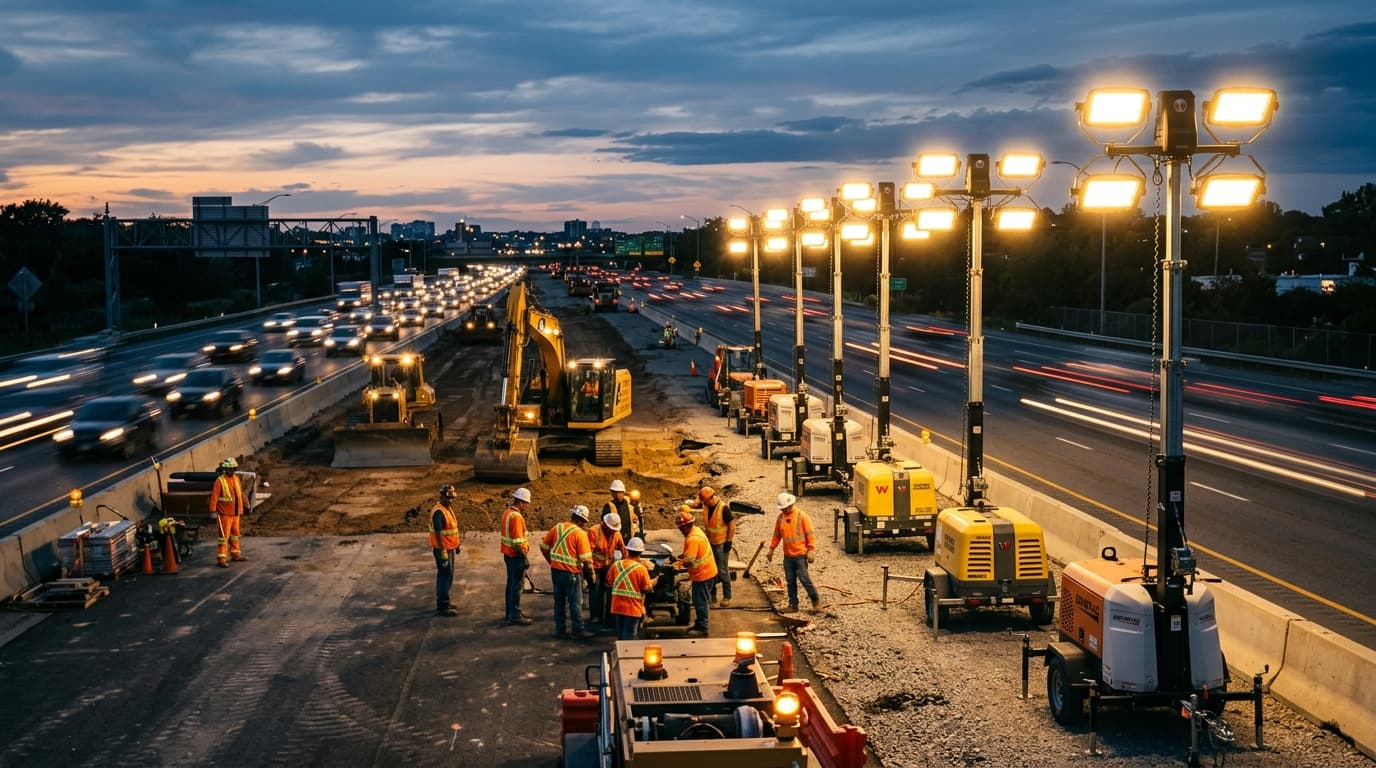
In North America, the market is driven by the maintenance of aging infrastructure. Bridge repairs and road resurfacing projects often take place at night to minimize traffic disruptions for commuters. This practice increases the reliance on mobile units that can be quickly deployed and moved as work progresses. Rental companies are expanding their fleets to accommodate these seasonal peaks in construction activity.
The mining industry also contributes significantly to the demand for heavy-duty lighting solutions. Open-pit mines require powerful illumination to ensure worker safety and equipment visibility across vast areas. Analysts at Maximize Market Research note that the integration of diesel and solar hybrid systems is becoming more popular in these remote locations. These units provide a reliable power source where traditional grid access is unavailable.
Emergency services and disaster relief efforts represent another vital segment for portable lighting. Rapid response teams use mobile towers to illuminate search areas and medical stations during power outages. Modern units are designed for quick setup, allowing first responders to establish visibility in minutes. The durability of these towers ensures they remain functional during extreme weather conditions.
"The transition from traditional metal halide lamps to LED technology is the most significant shift currently occurring in the lighting industry. LEDs provide better visibility and consume less power, making them the preferred choice for long-term construction projects."
— Rahul Thakur, Senior Research Analyst at Maximize Market Research
Technological Advancements and Sustainability
LED technology has become the industry standard for new mobile light towers. These units offer a longer lifespan and lower maintenance requirements than traditional halide bulbs. Operators benefit from reduced fuel consumption because LED systems require less wattage to produce the same level of brightness. This efficiency directly translates to lower operating costs for construction firms and rental agencies.
Sustainability is a growing concern for many large-scale industrial operators. Manufacturers are responding by developing solar-powered light towers that eliminate noise and exhaust emissions. These units are particularly useful in residential areas where noise ordinances might restrict nighttime work. Battery technology has improved enough to allow these towers to operate for several nights on a single charge.
Smart connectivity features are now being integrated into high-end mobile lighting units. Fleet managers can monitor fuel levels, battery health, and GPS location through remote software platforms. This data allows for better maintenance scheduling and prevents unauthorized use of the equipment. Automated timers also ensure that lights are only active when needed, further conserving energy resources.
The rental market continues to outpace direct ownership in the mobile lighting sector. Contractors prefer the flexibility of renting equipment based on the specific needs of each project. This trend encourages rental companies to invest in the latest models to stay competitive. High utilization rates in the rental sector ensure that older, less efficient units are phased out more quickly.
The mobile light tower market is poised for steady growth as industrial and construction needs continue to evolve. Future developments will likely focus on increasing battery density and improving the efficiency of solar collection. As more industries adopt environmental targets, the shift away from diesel-only units will accelerate across all global regions. Companies that invest in these advanced lighting technologies will likely see the greatest returns in the coming decade.