
At a Glance
- On-demand fuel delivery services see rising global demand
- Commercial fleet operators drive significant market share expansion
- Asia-Pacific emerges as the fastest-growing regional sector
The global automotive mobile gas pumping system market is entering a phase of sustained expansion, with growth projections extending through the 2035 forecast period. This upward trend is supported by increasing consumer demand for on-demand services and the integration of digital platforms within the energy retail sector. Recent data suggests that fleet operators and private vehicle owners are shifting away from traditional stationary gas stations in favor of mobile solutions. This transition reflects broader changes in urban logistics and the ongoing digitalization of the global energy economy.
Market Drivers and Segment Growth
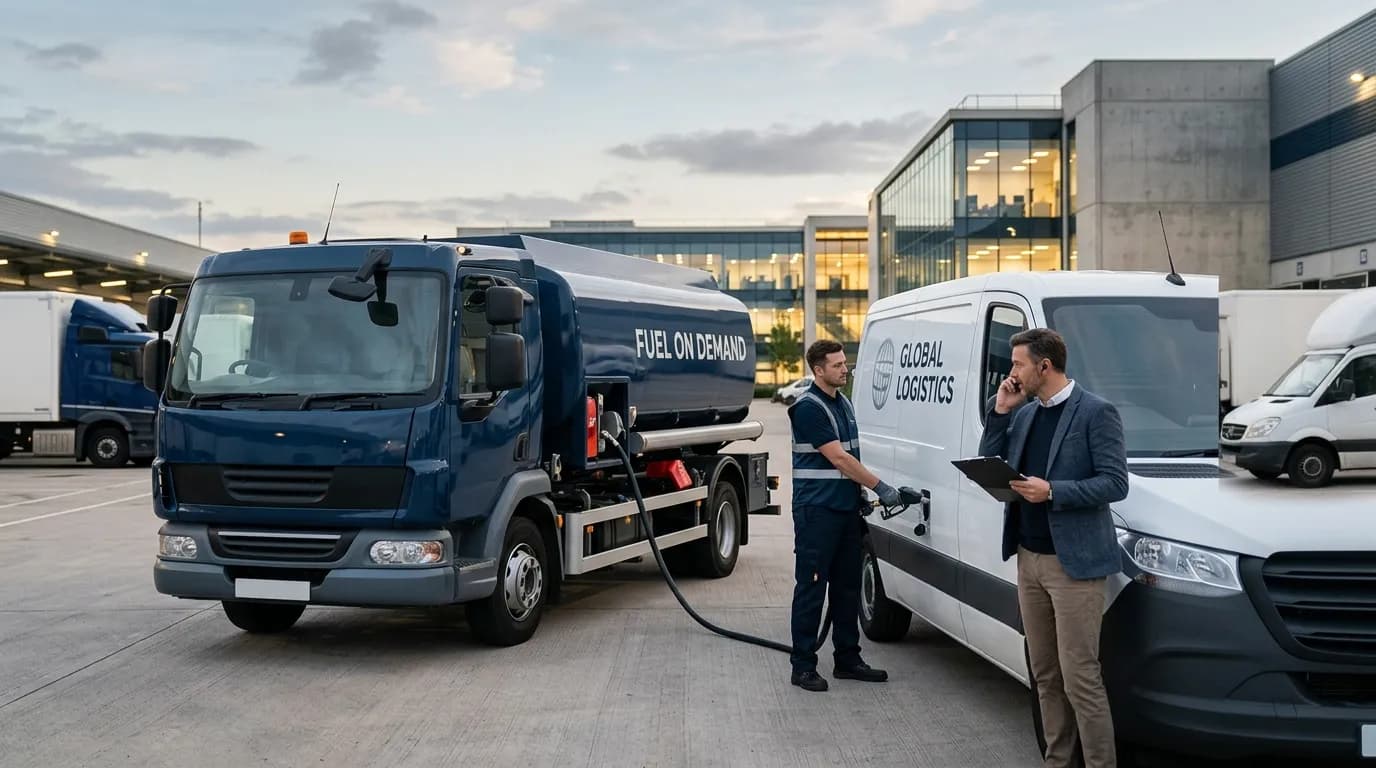
The market is divided into several primary segments, including portable pumping units and vehicle-mounted delivery systems. These technologies allow for the delivery of fuel directly to a vehicle's location, which helps reduce downtime for commercial fleets. Companies are currently prioritizing operational efficiency to meet the needs of logistics providers who require constant uptime. The rise of app-based scheduling has made these services more accessible to a broader range of clients.
On-demand fuel delivery applications are becoming a staple in metropolitan areas where real estate for traditional stations is limited. This model provides a practical solution for high-traffic zones where traditional infrastructure cannot physically expand. Service providers are increasingly using GPS tracking and automated billing systems to manage these complex delivery networks. These systems ensure that fuel is delivered accurately and safely to diverse locations.
The Market Research Intellect report highlights that the commercial segment currently holds a substantial portion of the global market share. Fleet management companies find that mobile fueling reduces the administrative burden of tracking individual driver fuel receipts at various stations. This shift is expected to accelerate as more corporations adopt specific efficiency targets for their daily operations. Furthermore, the integration of IoT sensors in pumping units allows for real-time monitoring of fuel levels and equipment health.
"The expansion of the mobile gas pumping sector is driven by the need for convenience and the optimization of fleet operations in dense urban environments."
— Lead Analyst, Market Research Intellect
Regional Performance and Competitive Analysis
North America and Europe are currently leading the market due to early adoption of app-based services and a high concentration of commercial fleets. Regulatory frameworks in these regions are evolving to accommodate mobile fueling safety standards and environmental protections. Local governments are working with providers to ensure that mobile units meet strict fire safety codes and spill prevention requirements. This collaboration helps maintain public safety while allowing for the growth of new business models.
Asia-Pacific is projected to see the highest growth rate over the forecast period as urbanization increases in China and India. The rapid development of smart city infrastructure provides a fertile environment for mobile energy solutions that bypass traditional retail constraints. Investment in this region is focused on building resilient supply chains that can handle the high volume of a growing middle class. New entrants are also testing hybrid delivery models that include both traditional fuels and electric vehicle charging.
Major industry participants include global energy giants and specialized startups that focus on technology-heavy delivery models. Competition is intensifying as these entities vie for market share in previously untapped geographic regions. Strategic partnerships between fuel suppliers and technology firms are becoming common to improve delivery speed and data accuracy. These alliances often focus on developing safer pumping mechanisms and more efficient routing software for delivery vehicles.
The automotive mobile gas pumping system market is poised for a decade of steady development as it adapts to new consumer behaviors. While traditional fueling stations remain the primary source of energy for most vehicles, the mobile sector offers a specialized alternative for time-sensitive operations. Future advancements in vehicle automation and alternative energy sources may further alter this market's trajectory. Stakeholders must remain attentive to shifting local regulations and technological changes to maintain their competitive positions in this evolving energy sector.