
At a Glance
- Global market valuation is projected to more than double from 2022 levels.
- Fire safety regulations and energy efficiency mandates drive a 5.14% CAGR.
- Stone wool leads material segments due to high-temperature resistance.
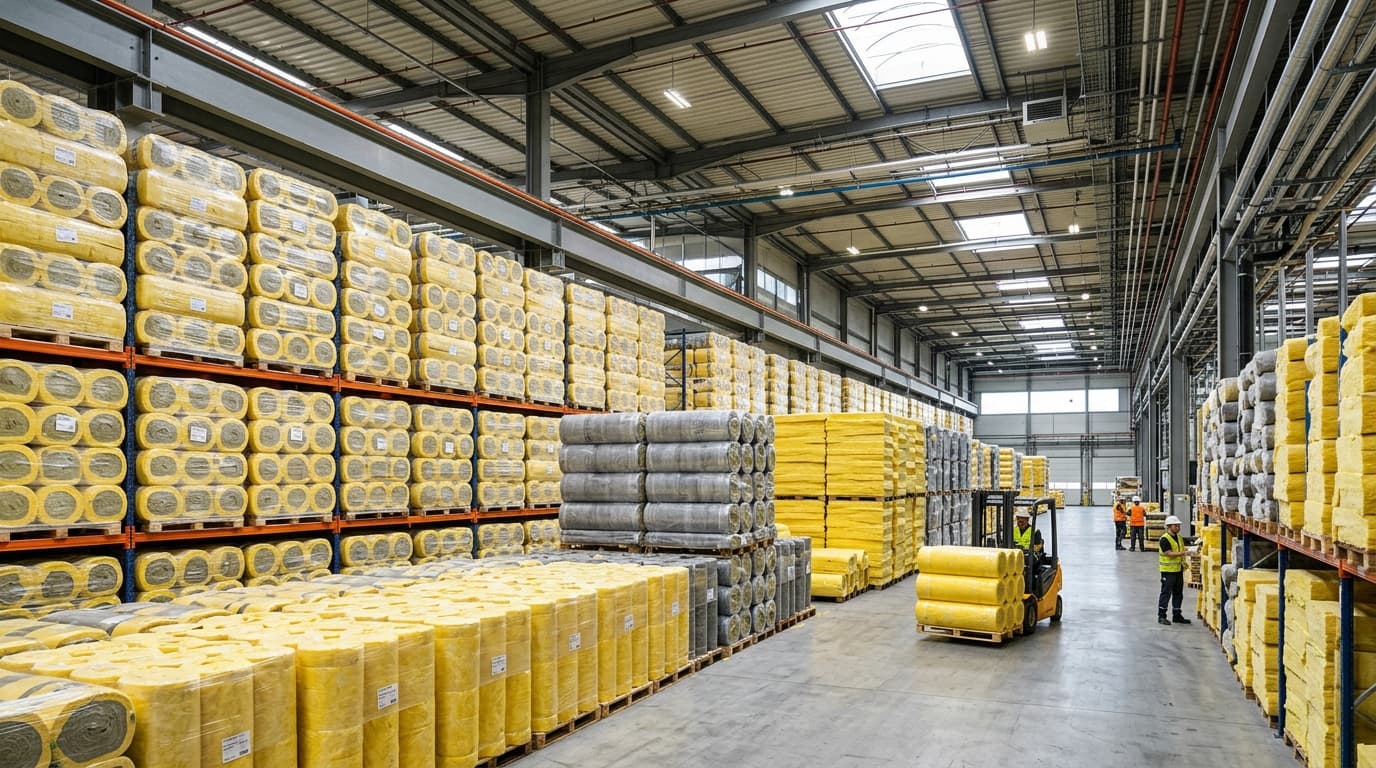
The global mineral wool insulation market is projected to reach a valuation of USD 35 billion by the end of 2035, according to recent industry data. This growth represents a compound annual growth rate of 5.14% over the forecast period beginning in 2023. Increasing demand for energy-efficient building materials and strict fire safety regulations drive this industrial expansion across multiple continents. Market analysts note that the sector stood at USD 15 billion in 2022, indicating a steady rise in adoption across the construction and industrial sectors.
Regional Demand and Residential Growth
Residential construction remains a primary driver for mineral wool adoption. Homeowners increasingly prioritize thermal efficiency to reduce utility costs and carbon footprints. Research Nester reports that the residential segment will likely hold a significant portion of the market share through 2035. This trend is supported by the rising cost of residential heating and cooling.
North America leads the market due to stringent building codes and a focus on sustainable infrastructure. The United States and Canada have implemented policies that mandate high-performance insulation in new builds. These regulations aim to lower the energy consumption of HVAC systems in extreme climates. Local manufacturers are responding by increasing their output of stone wool products to meet these legal requirements.
The Asia Pacific region is expected to witness the fastest growth rate during the next decade. Rapid urbanization in India and China fuels the need for high-density housing and commercial spaces. Government initiatives promoting green building certifications further accelerate the integration of mineral wool products in these emerging economies. Large-scale infrastructure projects in the region often specify these materials for their acoustic properties.
European markets are also contributing significantly to the global valuation. The European Green Deal focuses on renovating existing structures to improve energy performance. This focus on retrofitting creates a consistent demand for stone wool batts and rolls. Market participants are focusing on distribution networks to reach renovation contractors more effectively.
"The rising emphasis on fire protection and thermal performance in modern architecture is pushing manufacturers to expand production capacities for high-quality mineral wool. As global energy prices fluctuate, the economic benefit of superior insulation becomes a decisive factor for both developers and industrial operators."
— Lead Analyst, Research Nester
Industrial Applications and Material Segments
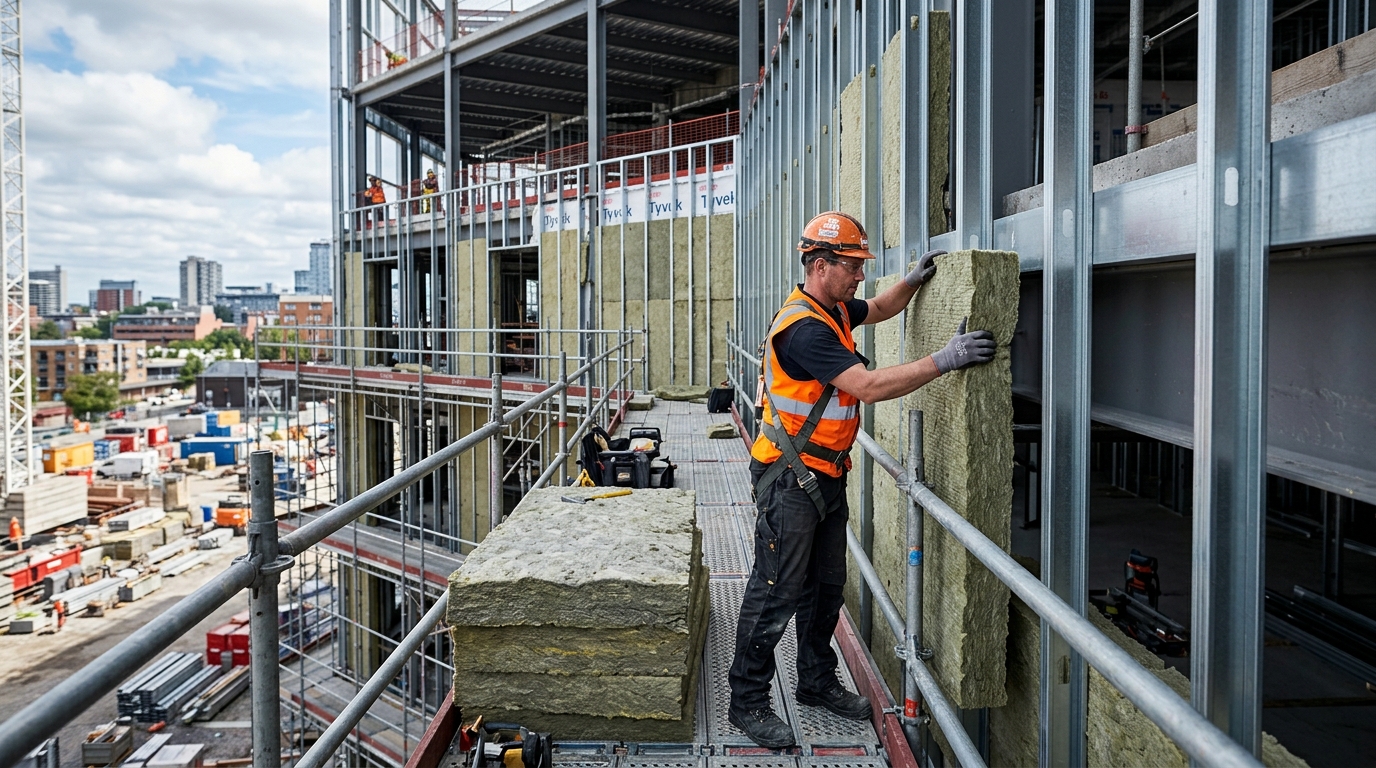
Beyond the housing sector, the industrial segment utilizes mineral wool for high-temperature equipment and piping. Power plants, refineries, and chemical processing facilities rely on these materials for their exceptional fire resistance and acoustic dampening. This versatility ensures steady demand even during fluctuations in the housing market. Industrial operators prioritize these materials to protect personnel and expensive machinery from heat damage.
Stone wool currently dominates the material type segment within the global market. Its ability to withstand temperatures exceeding 1,000 degrees Celsius makes it an ideal choice for safety-critical environments. Manufacturers are investing in new melting technologies to improve the sustainability of the production process itself. These technological shifts help reduce the carbon footprint associated with manufacturing mineral wool.
Glass wool also maintains a strong presence, particularly in lightweight applications and attic insulation. It offers a cost-effective alternative for projects where weight and ease of installation are primary concerns. Both materials benefit from the increasing trend of retrofitting older structures to meet modern environmental standards. The flexibility of glass wool allows it to be used in complex architectural designs.
Acoustic insulation represents another growing sub-sector for these products. Urban density increases the need for soundproofing in multi-family dwellings and office buildings. Mineral wool effectively absorbs sound waves, making it a preferred choice for interior partitions. This dual-purpose functionality as both a thermal and acoustic barrier enhances its market value.
The mineral wool insulation sector is poised for sustained growth as global sustainability targets become more aggressive. With a projected value of USD 35 billion, the industry reflects a broader shift toward durable and safe building components. Future developments will likely focus on recycling programs to reduce the environmental impact of waste insulation. Stakeholders should anticipate continued regulatory support as nations strive for net-zero emissions in the built environment by mid-century.