
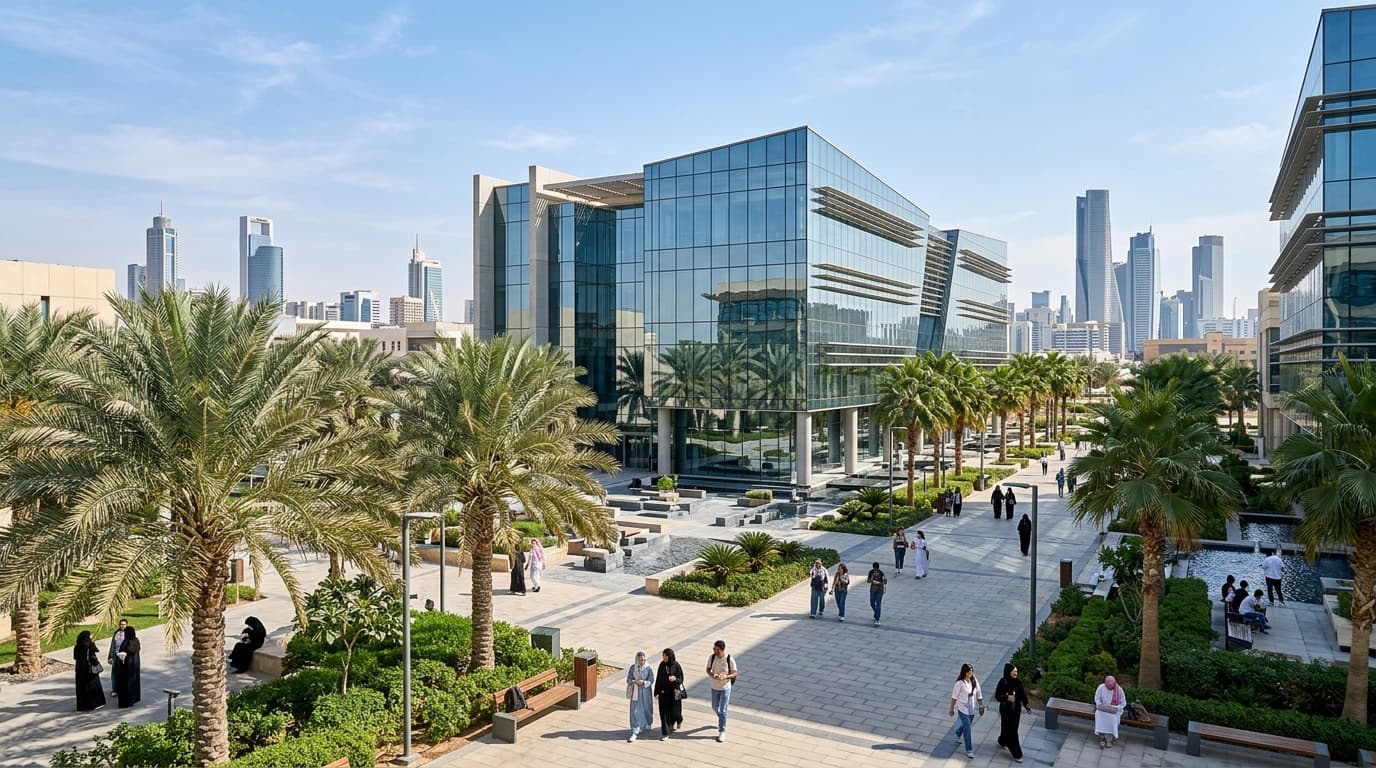
At a Glance
- Government spending and digital initiatives drive regional market growth.
- Private sector participation increases across K-12 and higher education.
- Corporate training and e-learning emerge as high-priority segments.
The Middle East education market is undergoing a period of rapid transformation, driven by massive government investments and a shift toward digital learning models. Recent data indicates that the sector is expanding across all levels, from early childhood education to professional corporate training programs. This growth aligns with regional economic diversification goals, such as Saudi Arabia’s Vision 2030, which prioritizes human capital development. Analysts expect the market to sustain this momentum through 2030 as private institutions increase their presence in the region.
Government Strategy and Regional Expansion
Governments across the Gulf Cooperation Council are allocating substantial portions of their national budgets to modernize teaching methods. Saudi Arabia and the United Arab Emirates lead this trend by integrating advanced technology into public classrooms. According to research from HTF Market Intelligence, these initiatives aim to reduce oil dependence by building a knowledge-based economy. This shift creates a fertile environment for international service providers.
Private sector participation is also rising as international schools and universities open branch campuses in major cities like Dubai and Riyadh. This influx of foreign providers meets the demand from a growing expatriate population and local families seeking global standards. Competition among these institutions is accelerating the adoption of personalized learning tools. Schools are now prioritizing facilities that support both physical and digital instruction.
The shift toward e-learning remains a primary catalyst for market expansion in countries like Qatar and Egypt. Educational institutions are increasingly adopting cloud-based management systems to handle administrative tasks and student data. This transition supports a more flexible learning environment that caters to both traditional students and working professionals. Enhanced internet penetration across the region further facilitates the reach of these digital platforms.
"The Middle East is witnessing a transition toward digital-first education as regional leaders prioritize human capital to meet future economic demands."
— Naman Dash, Lead Analyst at HTF Market Intelligence

Technological Integration and Market Segments
The market features a mix of established global players and emerging local startups. Companies like Blackboard, Pearson, and Microsoft are providing the infrastructure necessary for digital classrooms. These firms focus on scalable solutions that can be adapted to various curriculum requirements and local languages. The presence of these tech giants ensures that the regional infrastructure remains compatible with global standards.
Higher education and vocational training represent significant growth areas within the broader market. As industries evolve, there is a heightened demand for specialized skills in fields like renewable energy and financial technology. Universities are partnering with private firms to create curricula that address these specific labor market gaps. This alignment between academia and industry is vital for maintaining long-term economic stability.
Corporate training is another segment experiencing a surge in activity as businesses modernize their operations. Organizations are investing in upskilling their workforce to stay competitive in an increasingly globalized economy. This trend has led to the proliferation of professional certification programs and online learning platforms tailored for adult learners. Mobile learning applications are particularly popular for providing on-the-go training to busy professionals.
Looking ahead, the Middle East education market appears poised for continued diversification and modernization through the end of the decade. While challenges such as regulatory variations and infrastructure gaps in some areas remain, the overall trajectory is positive. The integration of artificial intelligence and data analytics will likely define the next phase of development for regional schools. Stakeholders who align their strategies with national development goals are expected to find the most success in this evolving market.