
At a Glance
- Market expansion driven by global infrastructure upgrades
- Energy sector shifts create demand for durable wire protection
- Asia-Pacific emerges as the dominant regional market player
The industrial flexible metal conduit market is experiencing a significant uptick as global energy sectors undergo structural changes. Demand for these protective systems is rising due to increased investments in power generation and oil and gas facilities. Analysts point to the necessity of safeguarding electrical wiring in harsh environments as a primary growth factor. This market expansion aligns with broader industrial modernization efforts across both developed and emerging economies.
Infrastructure and Safety Standards
The rise in urbanization is forcing governments to update aging electrical grids. Flexible metal conduits provide the necessary durability to protect wiring from physical damage and environmental hazards. These systems are particularly valuable in high-traffic industrial zones where traditional piping might fail.
Strict safety regulations are also influencing the manufacturing of these components. Companies must adhere to specific international standards to ensure fire resistance and chemical protection. This regulatory environment ensures that only high-quality materials enter the supply chain. Market Research Future indicates that the demand for specialized conduits will continue to outpace standard options.
Industrial facilities are increasingly adopting automated systems that require intricate wiring configurations. Flexible conduits allow for easier routing through tight spaces compared to rigid alternatives. This flexibility reduces installation time and labor costs for large-scale projects.
Material science improvements are resulting in lighter yet stronger metal alloys for conduit production. These advancements help reduce the overall weight of electrical systems in aerospace and marine applications. Manufacturers are focusing on corrosion-resistant coatings to extend the lifespan of these products in saltwater environments.
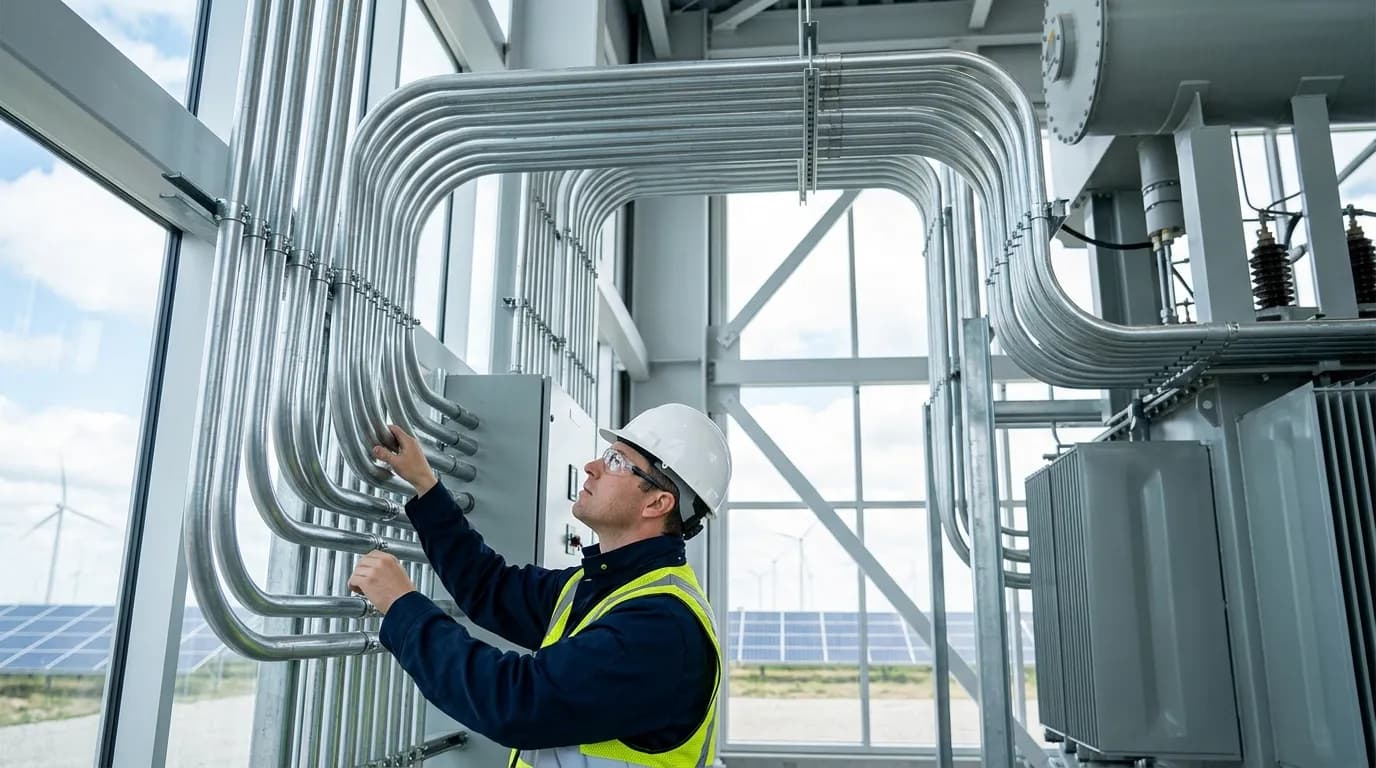
"The shift toward renewable energy sources requires significant electrical infrastructure that can withstand varied weather conditions. Flexible metal conduits offer the versatility needed for these complex installations."
— Akash Anand, Lead Analyst at Market Research Future
Regional Market Performance
Asia-Pacific is currently leading the market growth due to rapid industrialization in China and India. These nations are investing heavily in new manufacturing plants and smart city projects. This regional activity accounts for a substantial portion of the global market share.
North America maintains a steady position through the maintenance of existing energy facilities. The oil and gas sector remains a major consumer of heavy-duty conduits in this region. Maintenance and repair operations provide a consistent revenue stream for established suppliers.
The power generation industry is shifting toward decentralized energy models, which requires more localized electrical distribution. Each new substation or distribution point requires protected cabling to ensure grid stability. This trend is particularly evident in regions expanding their solar and wind capacity.
Competitive dynamics are shifting as major players engage in mergers and acquisitions to expand their geographic reach. By acquiring local distributors, global firms can better serve regional markets with tailored product offerings. This consolidation is likely to lead to more standardized product lines across different continents.
Future growth in the industrial flexible metal conduit sector depends on the pace of global energy transitions. As industries move toward more automated and electrified operations, the requirement for dependable wire protection will intensify. Stakeholders are expected to prioritize materials that offer both longevity and ease of installation. This market remains a vital component of the broader industrial equipment sector, reflecting the ongoing evolution of global infrastructure.