
At a Glance
- Market value projected to reach $51.1 billion by 2030
- Sector anticipates a steady CAGR of 2.44% over the forecast period
- Rising demand for sustainable materials drives packaging shifts
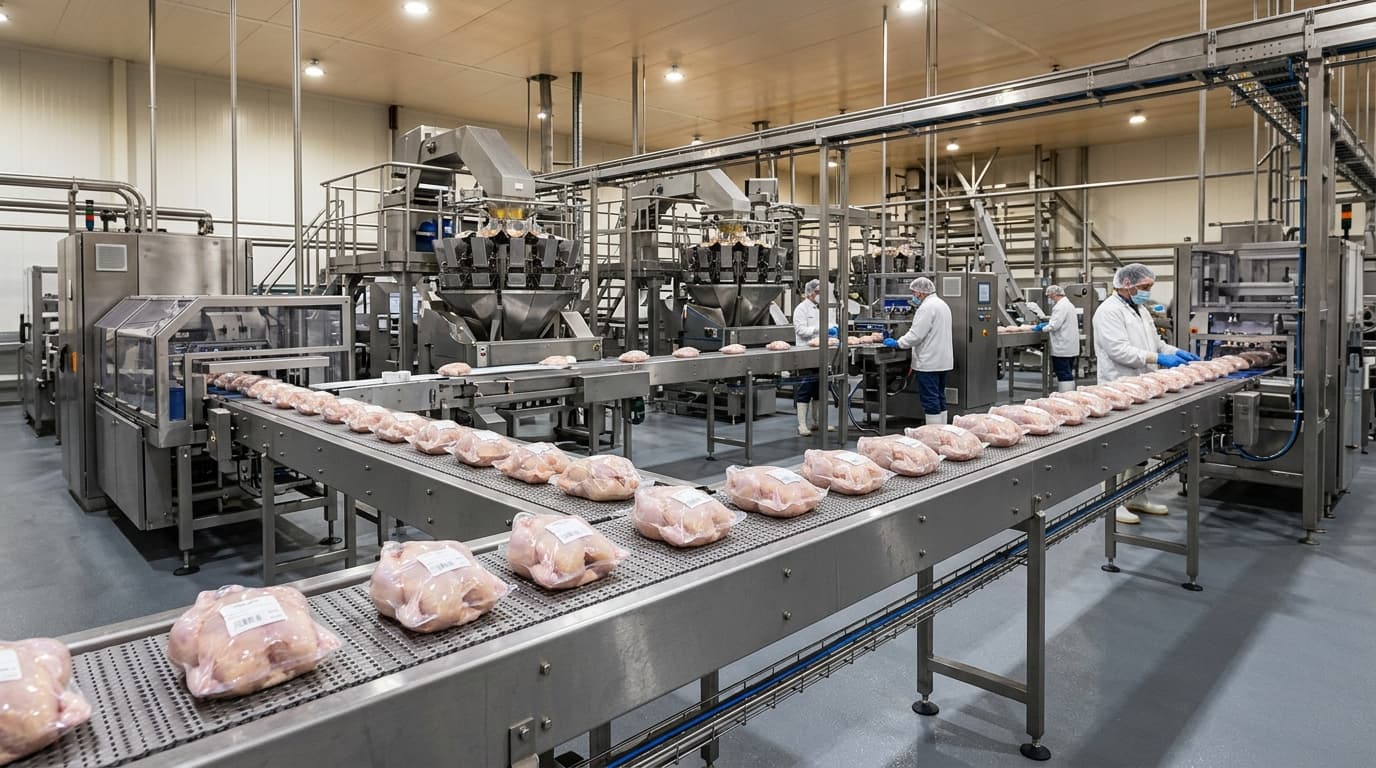
The global meat, poultry, and seafood packaging market is projected to expand at a compound annual growth rate of 2.44% through 2030. This steady rise reflects changing consumer habits and a growing preference for fresh, protein-rich diets across both developed and emerging economies. Advanced packaging solutions are becoming vital as retailers seek to extend shelf life and reduce food waste. Manufacturers are currently adapting to new regulations regarding plastic use and environmental sustainability while maintaining product integrity.
Market Drivers and Material Shifts
Urbanization and the rise of e-commerce are major factors pushing the demand for durable packaging solutions. Consumers increasingly order fresh proteins online, requiring materials that can withstand temperature fluctuations and physical handling during delivery. This shift has led to a surge in the use of modified atmosphere packaging and vacuum skin technology to ensure product freshness. Distribution centers are also prioritizing lightweight materials to lower the carbon footprint of their shipping operations.
Flexible packaging remains a dominant segment due to its lightweight nature and overall cost-effectiveness for manufacturers. The industry was valued at approximately 41.2 billion USD in 2022 and is expected to reach 51.1 billion USD by 2030. This growth is supported by a steady annual growth rate that highlights the sector's long-term upward trajectory. Rigid packaging continues to hold significant market share in the premium seafood and processed meat sectors where physical protection is paramount.
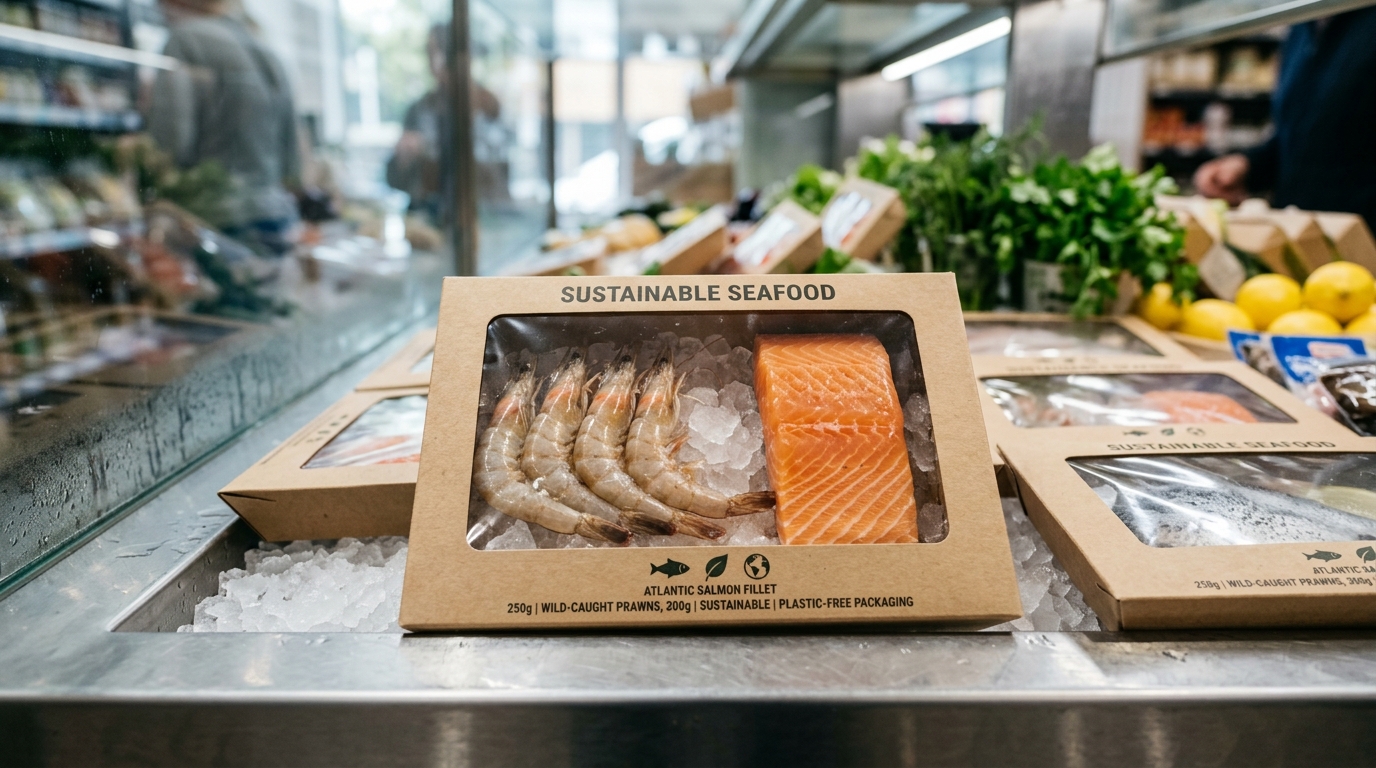
The industry is also seeing a transition toward paper and paperboard options to meet environmental goals. Brands are looking for ways to minimize their carbon footprint while maintaining the highest product safety standards. These materials offer improved recyclability, which appeals to environmentally conscious shoppers in North America and Western Europe. Companies are investing in specific coatings that make paper-based products resistant to moisture and fat during storage.
Food safety remains a top priority for packaging designers in the current global market. Multi-layer films are being developed to provide superior oxygen and moisture barriers for sensitive seafood products. These features help prevent spoilage and ensure that products remain safe for consumption during long-distance international shipping. New testing protocols are also being implemented to verify the effectiveness of these barriers under extreme environmental conditions.
"The increasing consumption of ready-to-eat meat products and the expansion of the retail sector are the primary factors driving the market growth."
— Market Research Future Analyst
Regional Trends and Competitive Dynamics
North America and Europe currently lead the market in terms of technological adoption and sustainability initiatives. Strict food safety regulations in these regions force companies to invest in high-barrier materials that prevent bacterial contamination. Market Research Future reports that the Asia-Pacific region is expected to witness the fastest growth over the forecast period. This growth is driven by rising disposable incomes and a shift toward organized retail formats.
Rapid industrialization in countries like China and India is fueling this significant regional expansion. As middle-class populations grow, so does the demand for packaged meat products that offer convenience and long shelf lives. Local manufacturers are scaling up production to meet the needs of a more mobile and time-constrained workforce. This trend is creating new opportunities for global packaging firms to establish local manufacturing hubs in these territories.
Key industry players are focusing on mergers and acquisitions to strengthen their global presence and product portfolios. Companies like Amcor and Berry Global are investing in research and development to create biodegradable films that perform like traditional plastics. These strategic moves aim to capture market share in a highly fragmented industry that faces intense price competition. Collaborative efforts between packaging firms and food producers are also becoming more common to enhance brand identity.
Active packaging technologies are also gaining traction in the premium seafood sector. These systems incorporate antimicrobial agents directly into the packaging material to inhibit bacterial growth and maintain product color. Such advancements are particularly important for maintaining the quality of high-value seafood exports destined for luxury markets. Retailers are finding that these technologies help reduce the volume of unsold goods due to premature spoilage in stores.
The future of meat and seafood packaging depends on the industry's ability to balance consumer convenience with environmental responsibility. While plastic remains highly functional for safety, the move toward circular economy models will dictate long-term commercial success. Stakeholders must continue to develop new solutions to meet the demands of a global population that prioritizes both health and sustainability. The sector appears resilient despite fluctuating raw material costs and ongoing supply chain challenges in the global economy.