Annual revenue surged by 110% year-over-year in the 2025 fiscal period.
Gross profit margins reached 61% as operational efficiency improved.
The company expanded its ride-hailing and rental services in urban markets.
Marti Technologies, Inc. announced a significant financial milestone in its latest annual report, revealing a 110% increase in total revenue for the 2025 fiscal year. This growth reflects the company’s expanding presence in the urban mobility sector and its ability to scale operations effectively. The firm also achieved a gross profit margin of 61%, signaling a shift toward sustainable profitability. These results highlight the increasing demand for diversified transportation solutions within major metropolitan markets.
Operational Scaling and Revenue Growth
The substantial revenue increase stems from the company's aggressive expansion of its ride-hailing platform and electric vehicle fleet. Marti reported that its user base grew significantly over the past twelve months, driven by new service launches in high-density urban areas. The integration of various transport modes into a single application helped increase user retention and frequency of use.
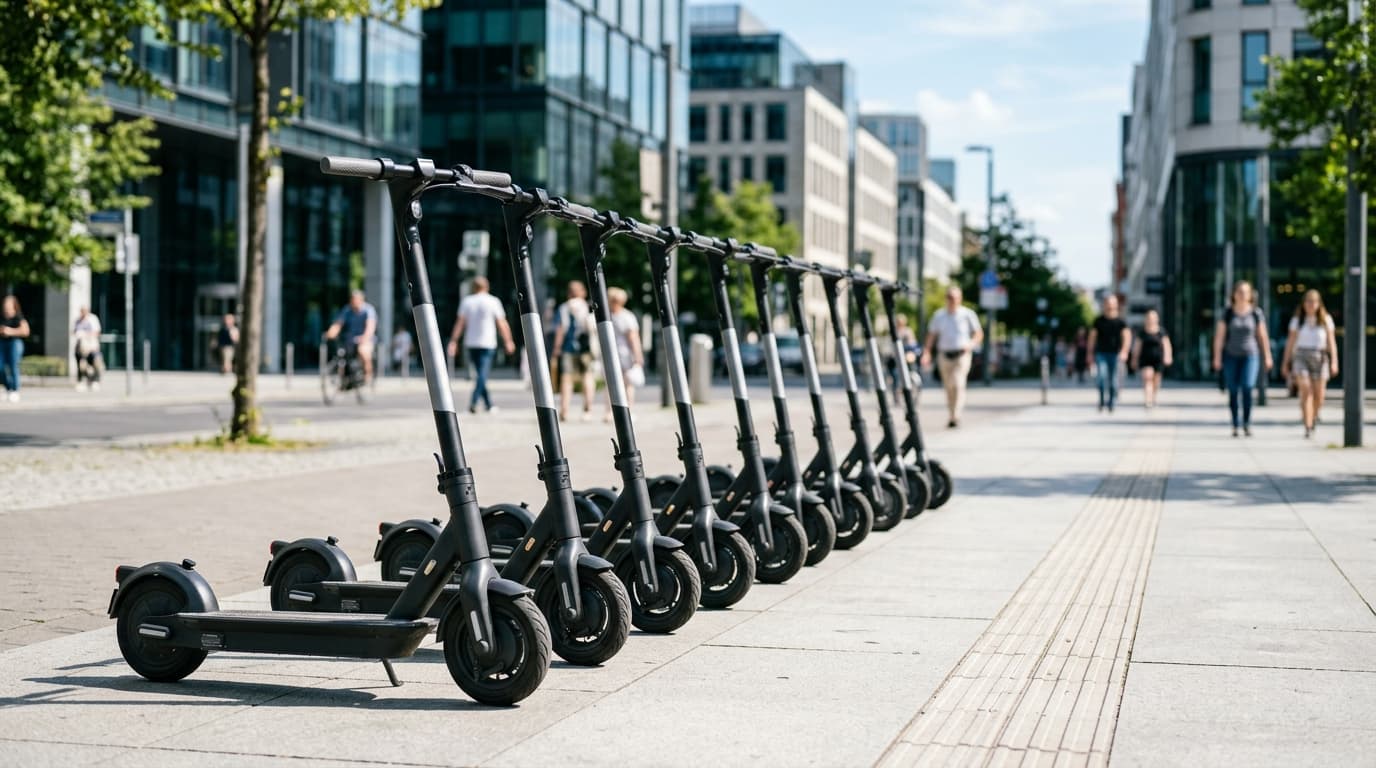
Management attributed the 61% gross margin to optimized fleet management and lower maintenance costs per vehicle. By implementing advanced predictive analytics, Marti Technologies reduced downtime for its e-scooters and e-bikes. This operational discipline allowed the company to capture more value from every ride while keeping overhead costs stable.
The company also benefited from favorable regulatory shifts in its primary markets. Local governments are increasingly supporting electric mobility as a way to reduce traffic congestion and carbon emissions. Marti took advantage of these trends by securing additional permits and expanding its service footprint into secondary cities.
Financial analysts noted that the shift toward ride-hailing services contributed a larger portion of the total revenue mix. This segment typically offers higher margins than traditional hardware rentals. The company plans to continue this transition to maximize its long-term earnings potential through higher-value transactions.
"Our 2025 performance demonstrates the strength of our business model and our team’s ability to execute on a large scale. Achieving triple-digit revenue growth while maintaining high margins proves that we are meeting a vital need for efficient urban transport."
— Alper Öktem, Founder and CEO at Marti Technologies
Marti Technologies Reports 110% Revenue Growth for 2025
Strategic Outlook and Market Expansion
Looking ahead to 2026, the company intends to increase its investment in software development to improve the user experience. Enhanced mapping features and payment integrations are expected to drive further adoption among daily commuters. The firm is also evaluating potential entry into new international markets where mobility-as-a-service demand is rising.
Capital expenditure for the upcoming year will focus on upgrading the existing fleet with longer-lasting battery technology. This move aims to further reduce operational expenses and improve the environmental footprint of the service. Investors are closely watching how these technical upgrades will impact the bottom line in the next fiscal cycle.
The company remains focused on achieving positive net income as it balances growth with fiscal responsibility. While the 2025 results show strong momentum, management acknowledges the competitive nature of the mobility industry. Maintaining a high gross margin will require ongoing improvements in logistics and customer service.
Strategic partnerships with local businesses and transit authorities also remain a priority for the next phase of growth. By connecting its services with existing public transportation networks, the company hopes to become an essential part of the daily commute. This collaborative approach is intended to build long-term brand loyalty and stabilize revenue streams.
The 2025 fiscal results position Marti Technologies as a leader in the evolving mobility sector. With a 110% revenue jump and 61% gross margins, the company has established a strong financial foundation for future ventures. As urban populations continue to seek flexible transportation options, the firm appears well-situated to capture additional market share. Stakeholders will likely monitor the company's ability to maintain this growth trajectory in a fluctuating economic environment.
Stay Ahead of the News
Get the latest business news and company spotlights delivered to your inbox. No spam, unsubscribe any time.