
At a Glance
- Market projections indicate steady expansion through the 2035 forecast period.
- Rising disposable income fuels global demand for high-end rental vehicles.
- Asia-Pacific emerges as the fastest-growing region for premium car hire.
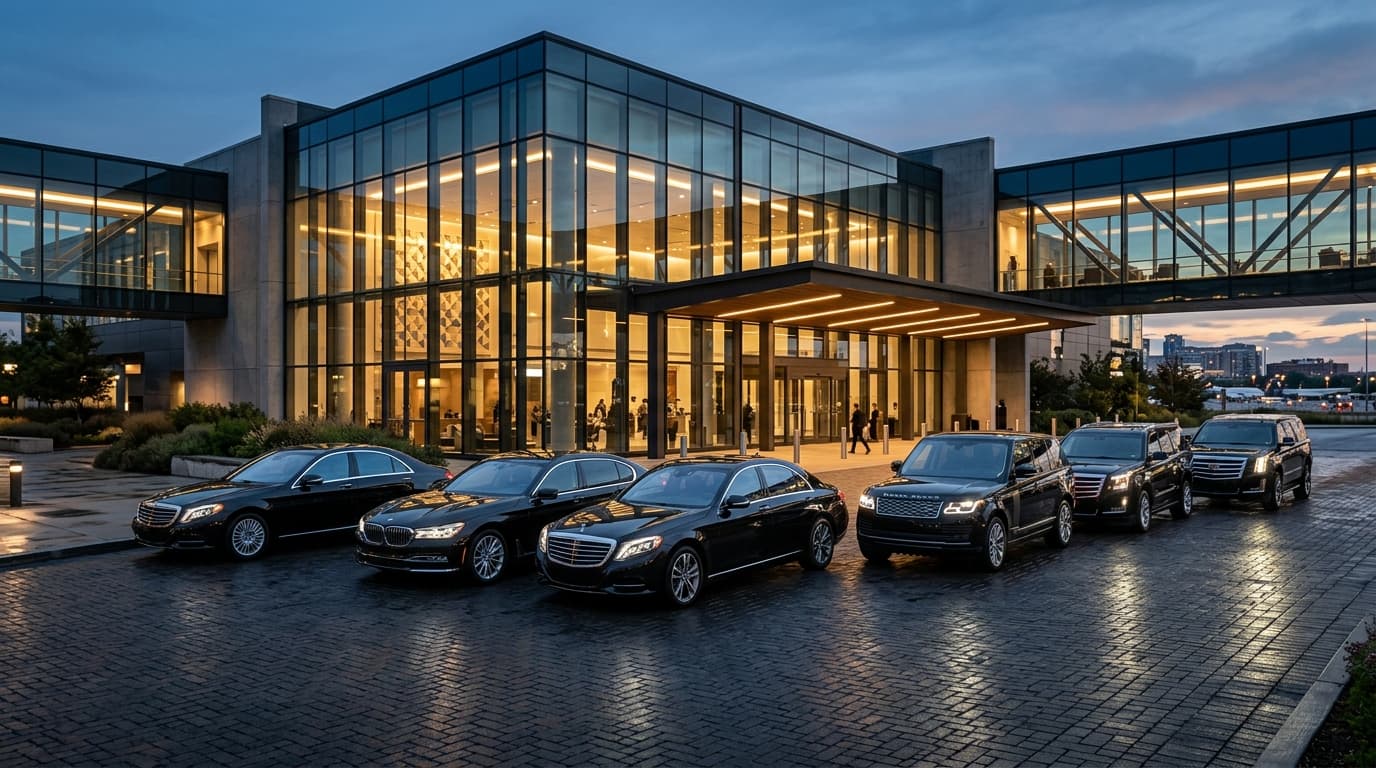
The global luxury car hire industry is entering a period of sustained expansion, with new projections extending through 2035. This growth reflects changing consumer preferences toward premium travel experiences and higher disposable incomes in developing economies. Industry analysts suggest that the market will benefit from a resurgence in international tourism and corporate events. Companies are now adjusting their fleets to meet specific demands for luxury SUVs and high-performance electric vehicles as the decade progresses.
Economic Drivers and Fleet Diversification
The primary catalyst for the luxury rental sector is the increase in wealth among the global middle class. More travelers now prioritize comfort and status during their trips, leading to a shift from standard rentals to premium tiers. This trend is particularly visible in major urban centers where executive travel is frequent. Corporate clients often require high-end vehicles to maintain a professional image during business engagements.
Rental agencies are responding by diversifying their offerings to include the latest models from top manufacturers. The inclusion of luxury SUVs has proven particularly popular for family vacations and group travel. Many providers are also integrating hybrid and electric options to appeal to environmentally conscious high-net-worth individuals. These shifts allow the luxury car hire business to capture a wider demographic of users across different price points.
Technological integration also plays a significant role in market development. Mobile booking platforms and contactless pick-up services have simplified the rental process for busy professionals. Enhanced data analytics help firms predict seasonal demand and optimize pricing strategies across different locations. These improvements contribute to higher customer retention rates and improved operational efficiency for major global players in the rental space.
"The shift toward experiential luxury is redefining how consumers approach transportation. We expect the market to sustain momentum as infrastructure improves in emerging economies."
— David Correa, Lead Analyst at Allied Market Research

Regional Outlook and Competitive Dynamics
North America and Europe currently hold the largest shares of the luxury rental market. These regions benefit from established tourism infrastructure and a high density of luxury car enthusiasts. Major cities like London, New York, and Dubai remain central hubs for high-end vehicle rentals. However, market saturation in these areas is prompting firms to look for growth opportunities in new territories.
The Asia-Pacific region is projected to register the fastest growth rate over the next ten years. Rapid urbanization and the expansion of the tourism sector in countries like China and India drive this demand. Local governments are investing in road networks, making luxury self-drive options more attractive to visitors. International rental brands are forming partnerships with local agencies to establish a foothold in these lucrative markets.
Competition among industry leaders remains intense as they vie for market share in a crowded field. Firms are focusing on personalized services, such as concierge delivery and bespoke insurance packages, to differentiate themselves. Maintaining a modern fleet is a significant capital expenditure but remains necessary to attract discerning clients. The ability to offer the latest safety features is a key factor in securing long-term rental contracts.
The outlook for the luxury car rental industry remains positive as it adapts to a changing global economy. While high fuel prices and regulatory shifts toward electrification present challenges, the underlying demand for premium transportation continues to rise. Stakeholders must remain agile to capitalize on emerging trends and regional shifts. By 2035, the market is expected to be more diverse and technologically integrated than ever before, reflecting a new era of high-end mobility.