

At a Glance
- Global demand for energy-efficient building systems drives market expansion.
- Key players like Honeywell and Siemens dominate the competitive field.
- Integration with IoT and smart infrastructure supports long-term growth.
The global LonWorks building management system market is projected to experience steady growth between 2024 and 2032 as organizations prioritize energy efficiency and operational intelligence. This expansion reflects a broader shift toward smart infrastructure and the integration of open-protocol communication standards within commercial and industrial facilities. Major industry participants are currently focusing on software advancements and service-based models to meet the changing needs of facility managers. The latest market data suggests that the adoption of these systems will remain a focal point for sustainable urban development.
Market Drivers and Segmentation Analysis
The market for LonWorks systems is segmented into hardware components, software platforms, and professional services. Hardware remains a significant portion of the revenue stream as developers install controllers and sensors in new construction projects. However, the software segment is growing rapidly as facility managers seek better data visualization and remote monitoring capabilities. These tools allow for more precise control over lighting, HVAC, and security systems within large-scale developments.
Global energy regulations are pushing property owners to adopt more sophisticated management solutions. By utilizing the LonWorks protocol, buildings can achieve significant reductions in electricity consumption and carbon emissions. This trend is particularly evident in North America and Europe, where strict environmental mandates are now standard. According to the latest report from Orbis Research, these integrated solutions help clients meet their sustainability targets while reducing long-term costs.
The industrial sector is also emerging as a primary consumer of these automation technologies. Manufacturing plants use LonWorks to synchronize complex machinery with building utilities for maximum efficiency. This integration reduces downtime and helps prevent equipment failure through predictive maintenance alerts. As industrial automation matures, the demand for reliable communication protocols like LonWorks is expected to increase across emerging markets.
Facility operators are increasingly looking for ways to integrate legacy systems with newer digital infrastructure. LonWorks provides a bridge that allows older hardware to communicate with modern cloud-based applications. This capability extends the lifespan of existing building assets while providing the benefits of modern data analytics. Consequently, the retrofit market is becoming a vital source of revenue for system integrators.
"The transition toward decentralized building control systems is accelerating as facility managers prioritize interoperability and long-term scalability. LonWorks remains a foundational technology for these efforts, providing the necessary stability for diverse device communication in complex environments."
— Hector Costello, Senior Market Analyst at Orbis Research
Regional Growth and Competitive Dynamics
Asia-Pacific represents the fastest-growing region for building management technologies due to rapid urbanization and infrastructure investment. Countries such as China and India are building smart cities that require integrated communication networks for public and private buildings. Local governments are incentivizing the use of open standards to ensure that different systems can work together without vendor lock-in. This regional activity provides a significant opportunity for international technology providers to expand their footprint.
Competition within the market is intensifying as established firms face pressure from niche software developers. Large corporations are responding by acquiring smaller firms or forming strategic partnerships to enhance their product portfolios. These collaborations often focus on improving the user interface and mobile accessibility of management platforms. Such developments make it easier for non-technical staff to manage building operations from a single dashboard.
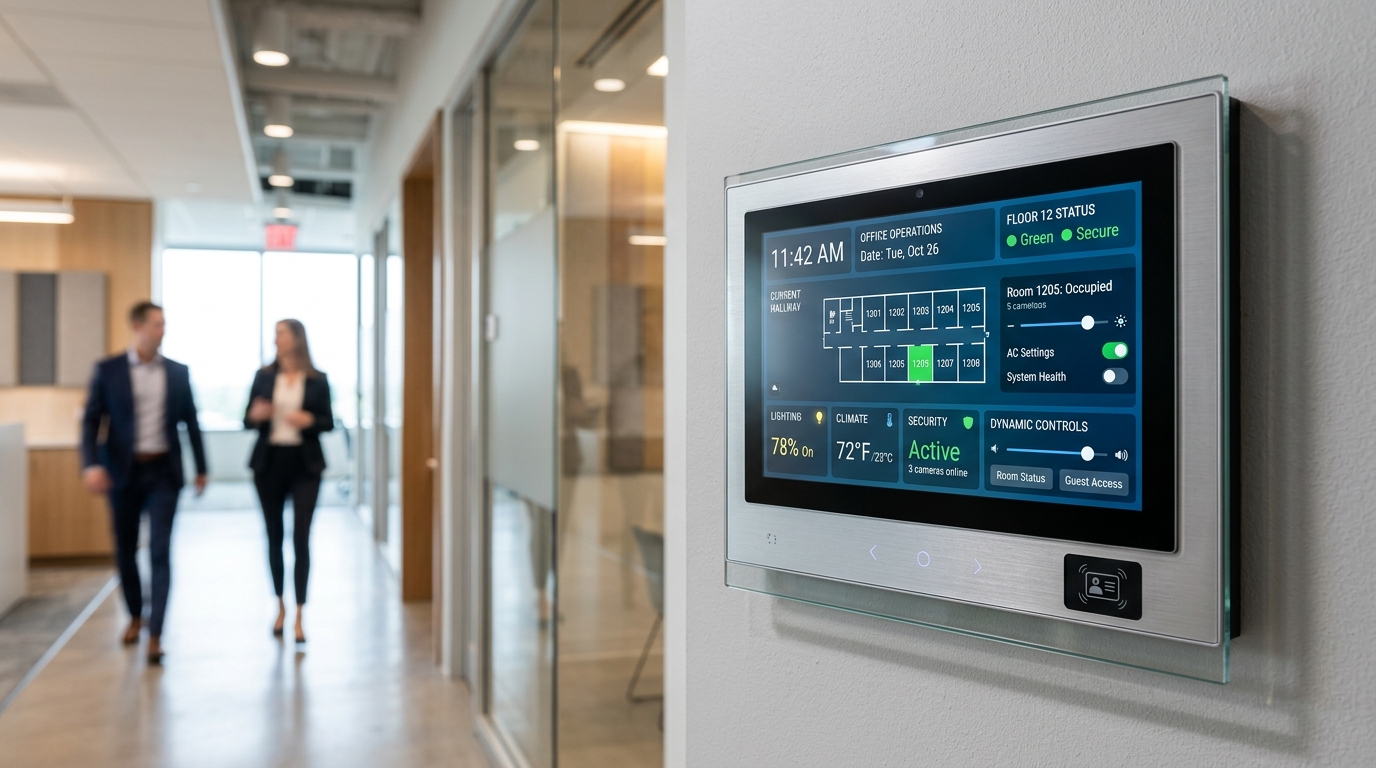
The rise of the Internet of Things (IoT) is fundamentally changing how LonWorks systems operate. Modern installations now incorporate cloud-based analytics to process the vast amounts of data generated by building sensors. This shift enables real-time decision-making and more accurate forecasting of utility costs. As these technologies become more affordable, mid-sized commercial properties are also beginning to adopt LonWorks-based solutions for their operations.
Security concerns regarding interconnected building systems are also shaping market development. Manufacturers are investing in encrypted communication protocols to protect sensitive building data from external threats. This focus on cybersecurity is a priority for government and financial institutions that utilize LonWorks for their facility management. Ensuring data integrity is now a standard requirement for any new installation in the commercial sector.
The LonWorks building management system market is positioned for a decade of evolution driven by technological convergence and environmental necessity. As smart building standards become the norm, the demand for interoperable and reliable communication protocols will likely persist. Stakeholders must adapt to the increasing importance of data security and cloud integration to remain competitive in this space. The outlook for 2032 remains positive as the industry moves toward fully automated and carbon-neutral building operations.