
At a Glance
- Global demand for lithium-ion batteries scales up as automakers shift to electric fleets.
- Grid-scale energy storage systems emerge as a primary driver for mineral extraction.
- Mining companies increase exploration in South America and Australia to secure supply.
The global lithium mining sector is currently undergoing a period of significant expansion as the automotive industry transitions toward electrification. Rising consumer demand for electric vehicles and the build-out of grid-scale energy storage systems are the primary factors driving this market growth. Industry experts indicate that securing a stable supply of battery-grade lithium is now a top priority for manufacturers and governments worldwide. This trend is reshaping mineral extraction strategies and attracting substantial investment into new mining projects across the globe.
Strategic Drivers and Regional Growth
Government policies are playing a significant role in the acceleration of the lithium sector. Subsidies for green energy and stricter emissions regulations encourage automakers to phase out internal combustion engines. This transition creates a sustained need for high-quality lithium-ion batteries that power modern transport.
The demand for energy storage systems is also intensifying as renewable energy sources like wind and solar become more common. These systems require large-scale batteries to manage the variability of power generation and ensure grid stability. Consequently, the lithium mining industry is scaling operations to meet these specific industrial requirements.
Regional development is particularly strong in areas with high mineral reserves, such as the Lithium Triangle in South America and Western Australia. Researchers at HTF Market Intelligence report that exploration activities are increasing in North America and Europe to reduce dependence on foreign materials. Localized supply chains are becoming a key strategic advantage for battery producers seeking to minimize logistics risks.
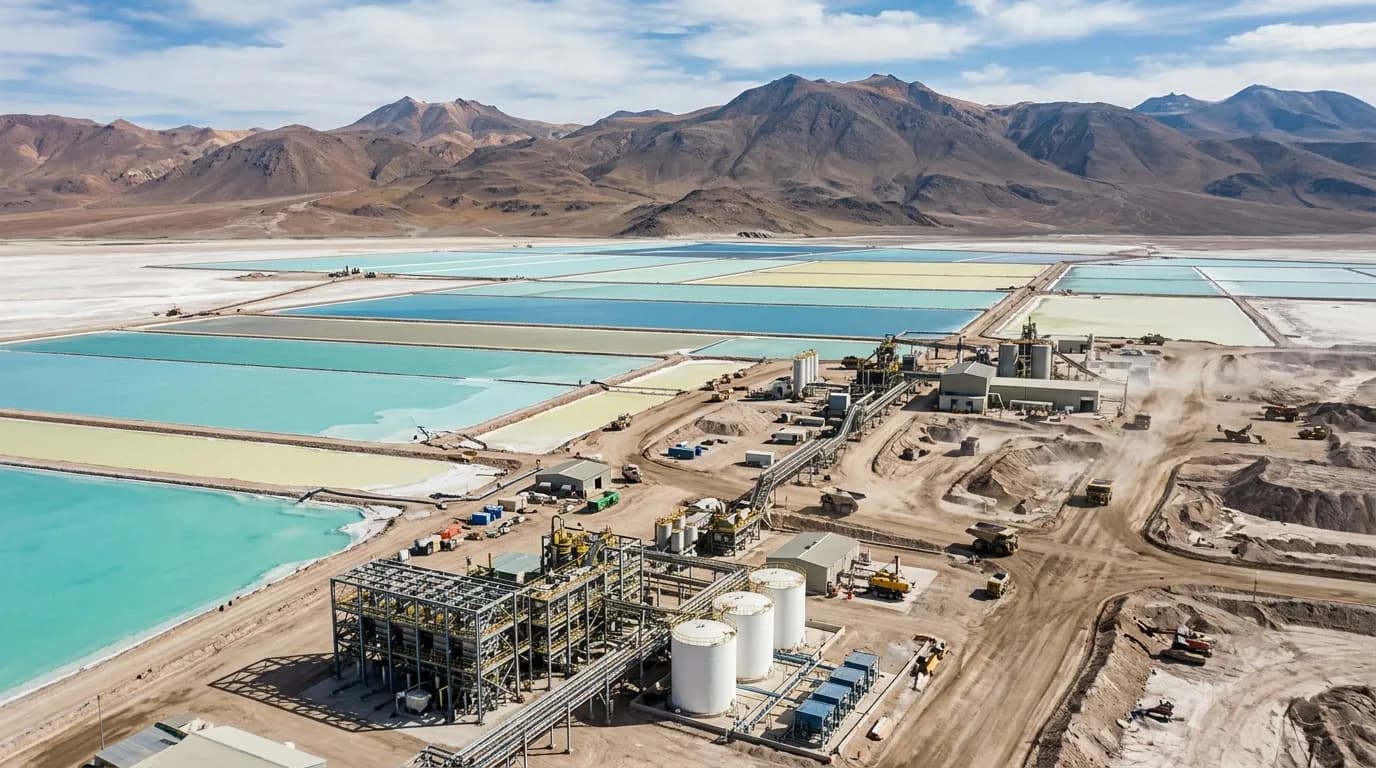
Many mining firms are also diversifying their portfolios to include different types of lithium deposits. Hard rock mining and brine extraction remain the dominant methods, but clay-based deposits are receiving more attention from investors. This diversification helps mitigate the risks associated with relying on a single source of raw material in an uncertain economy.
"The rapid adoption of electric vehicles is no longer just a trend but a structural shift in the global economy. As battery technology advances, the pressure on the lithium supply chain will continue to grow, necessitating significant capital investment in extraction and refining."
— Criag Francis, Senior Analyst at HTF Market Intelligence
Market Challenges and Technical Developments
Despite the positive outlook, the lithium mining industry faces several operational hurdles that could impact future supply. Environmental concerns regarding water usage and land degradation remain at the forefront of regulatory discussions. Mining companies are under pressure to adopt more sustainable extraction methods to comply with international environmental standards.
New technological developments are emerging to address these challenges and improve production efficiency. Direct Lithium Extraction is one such method that promises to reduce the environmental footprint of lithium production. This technology allows for faster processing times compared to traditional evaporation ponds used in brine mining.
Market volatility also impacts the long-term planning of mining operations and capital allocation. Prices for lithium carbonate and hydroxide have shown significant fluctuations over the past few years. Producers are seeking long-term supply agreements with automakers to stabilize revenue and ensure the viability of multi-billion dollar extraction projects.
Labor shortages and rising equipment costs are also contributing to the complexity of bringing new mines online. The industry requires skilled professionals to manage advanced extraction technologies and environmental monitoring systems. Addressing these human capital needs is essential for maintaining the growth of the sector over the next decade.
The future of the lithium mining market depends on balancing rapid production increases with environmental responsibility. As the global economy moves toward net-zero targets, the reliance on this mineral will only intensify in the coming years. Stakeholders must address infrastructure gaps and regulatory requirements to sustain this current momentum. Continued investment in both traditional and alternative extraction methods will be necessary to meet the projected demand for the next decade.